
A Retrospective Of The First Positive Black Animation Characters To Appear In Television History
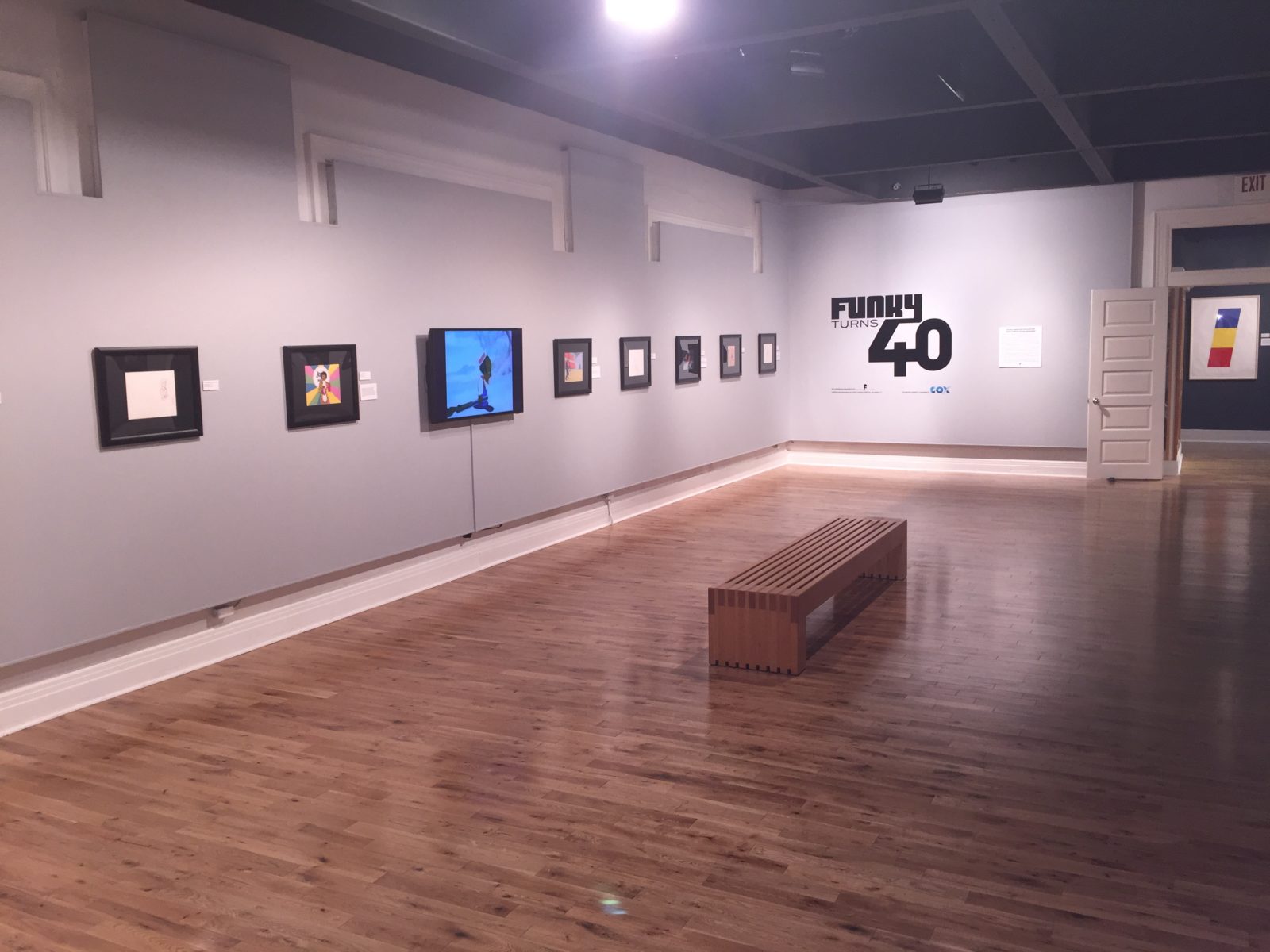
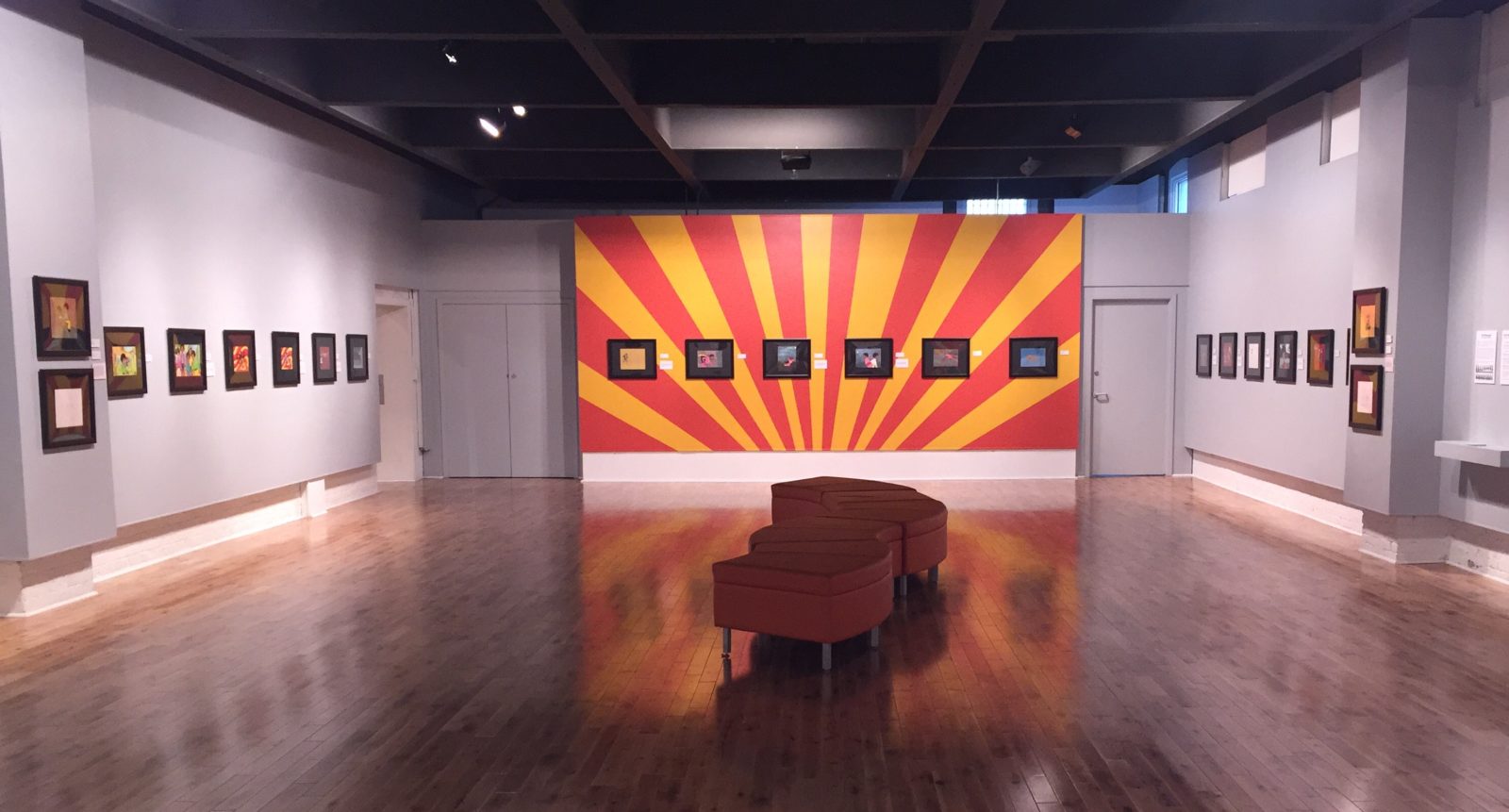
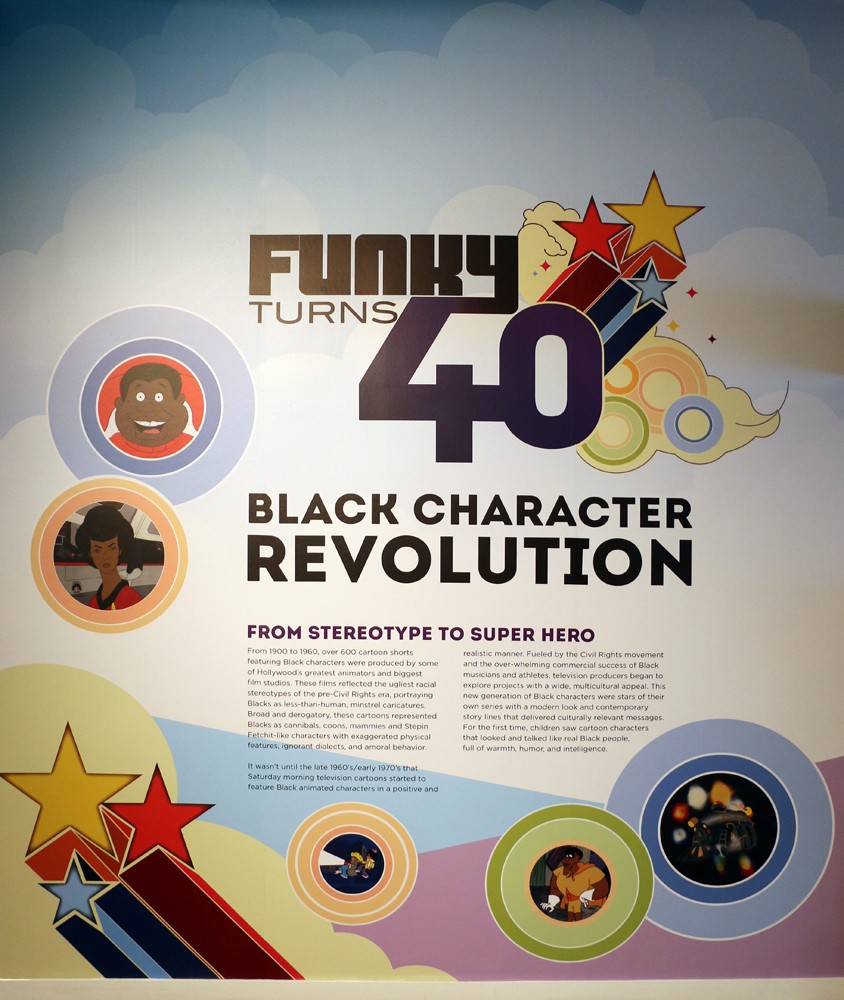
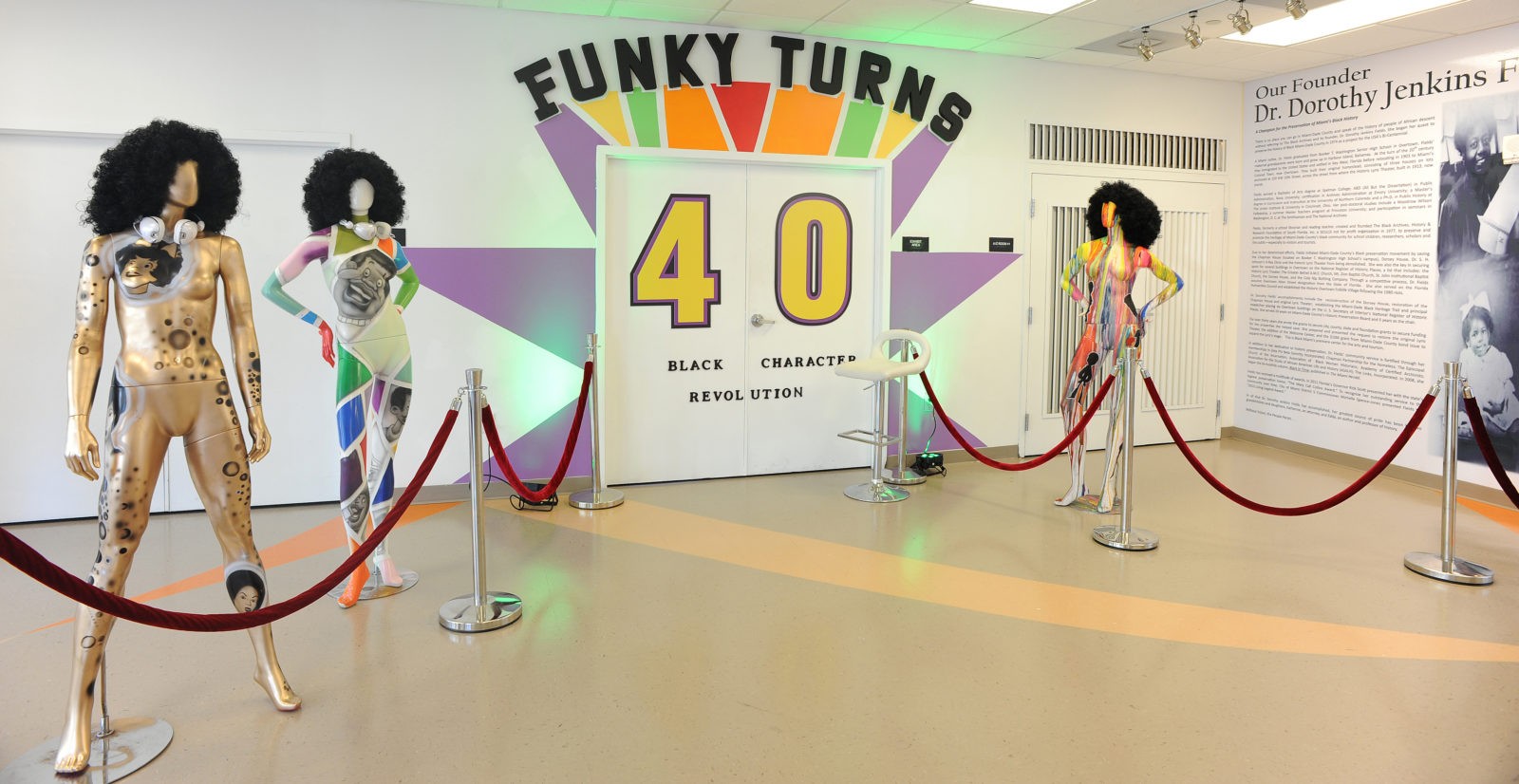
Funky Turns 50: Black Character Revolution Animation Art Exhibition National Museum Tour
The Funky Turns 40: Black Character Revolution exhibition is now Funky Turns 50!
Same awesome exhibition, but the cartoons are now celebrating their 50th anniversaries!!!
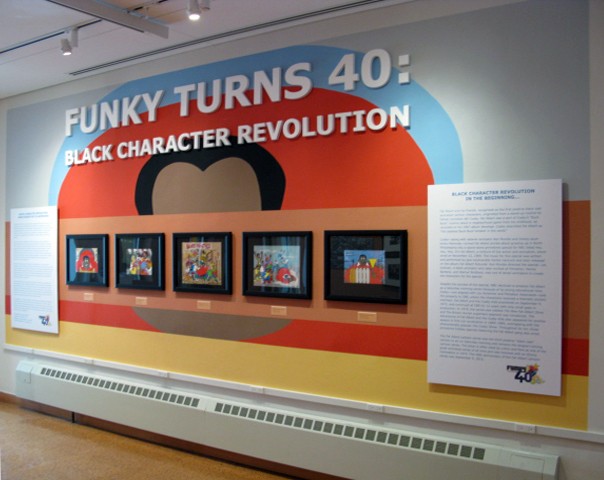
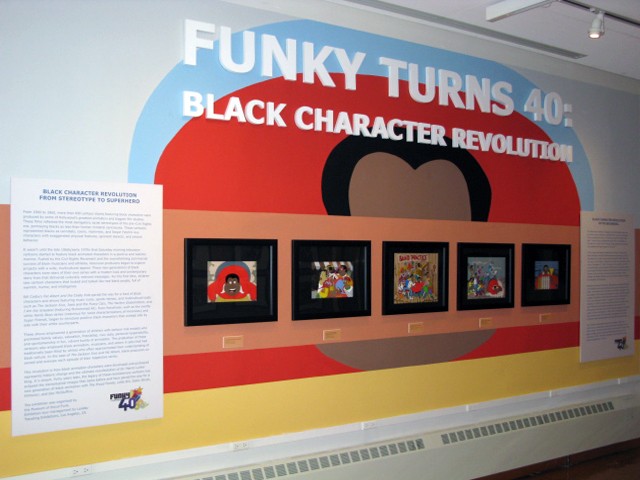
Our PHENOMENALLY SUCCESSFUL Funky Turns 50: Black Character Revolution Animation Art Exhibition presents a retrospective of the first positive Black animation characters in television history and highlights the historic significance of the appearances of these characters in Saturday morning cartoons and specials during the late 1960’s / 1970’s.
- Celebrates the 50th anniversaries of these stereotype breaking Black animation character appearances
- Highlights a unique Black history milestone and significant cultural victory resulting from the Civil Rights Movement in an uplifting way
- Positively engages a multicultural and intergenerational audience
- Attracts new museum visitors and school trips
- Generates positive press and social media coverage
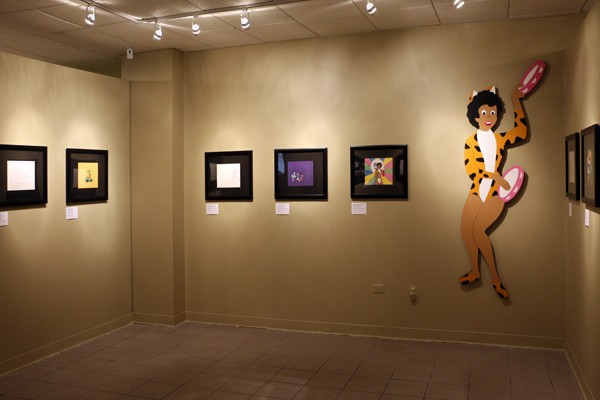
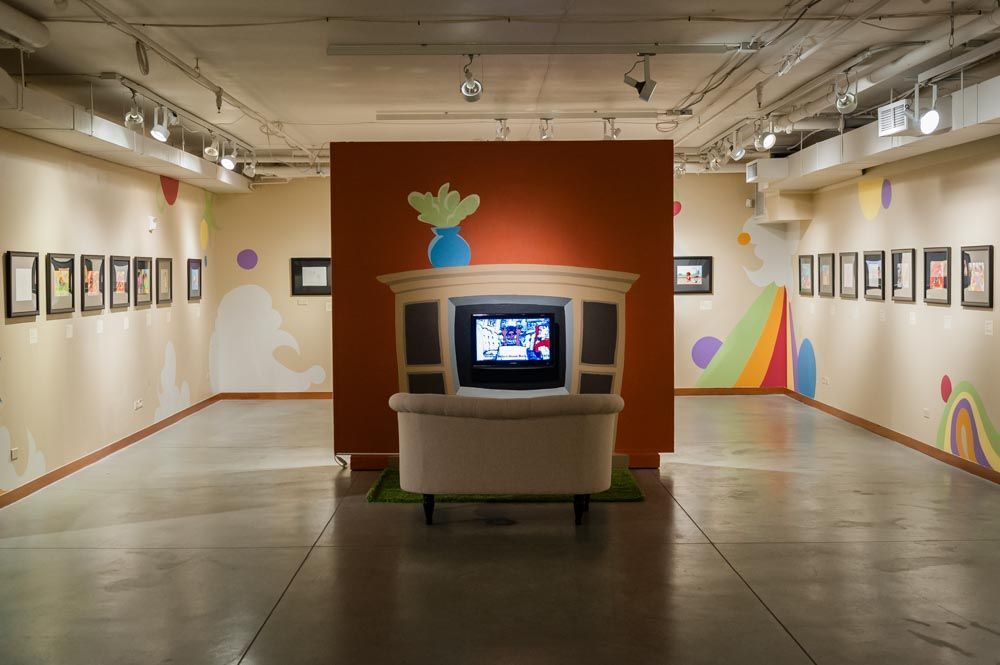
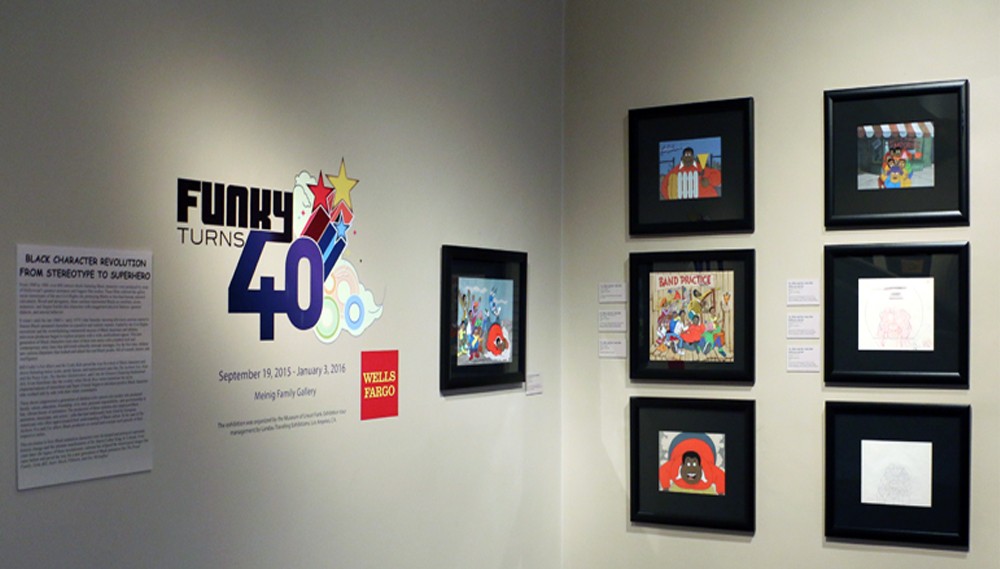
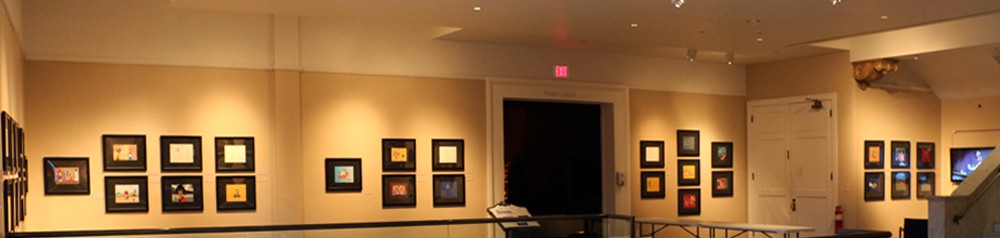
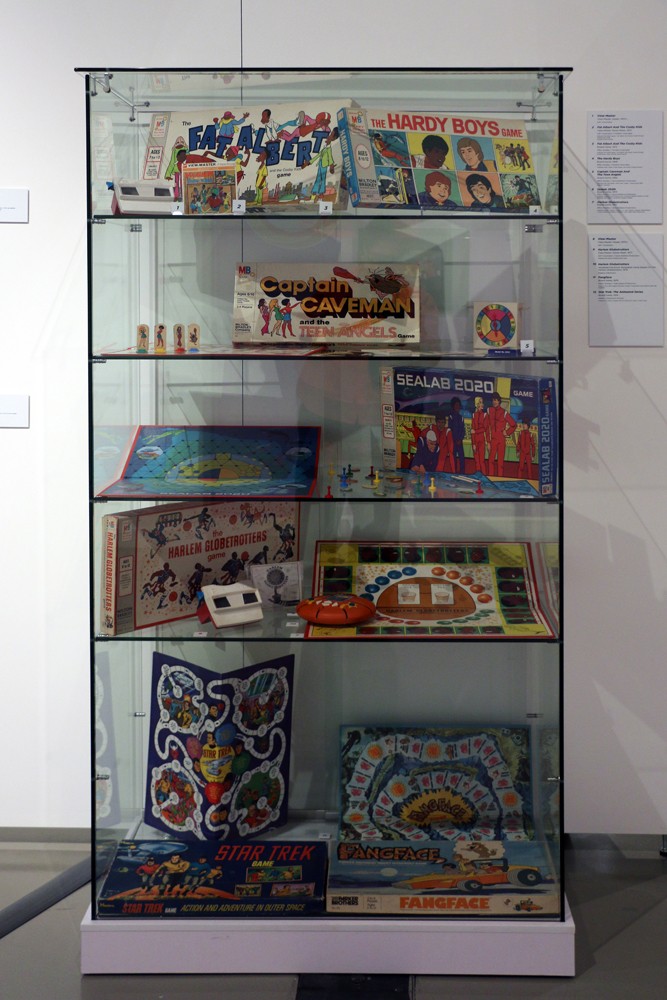
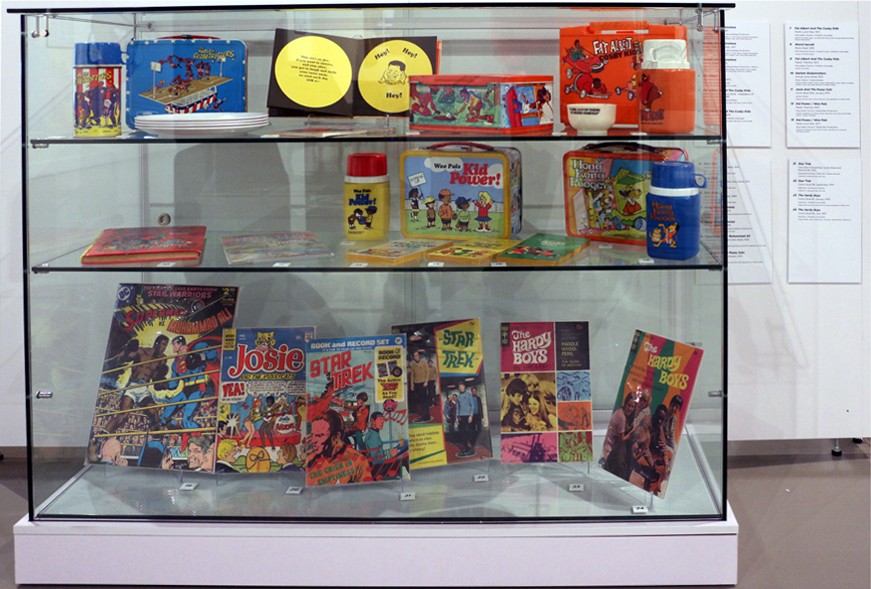
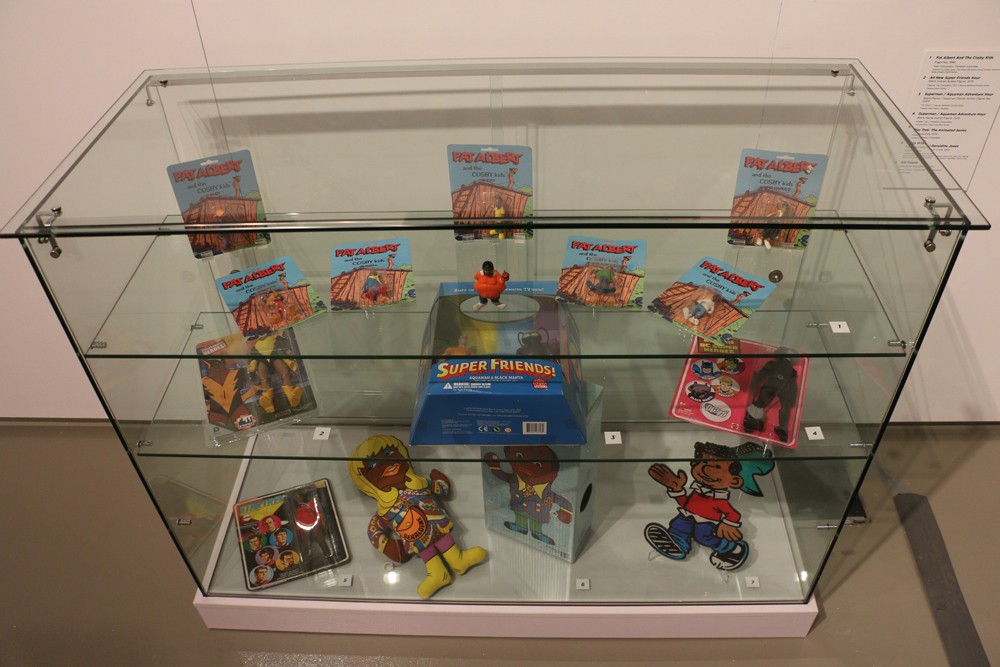
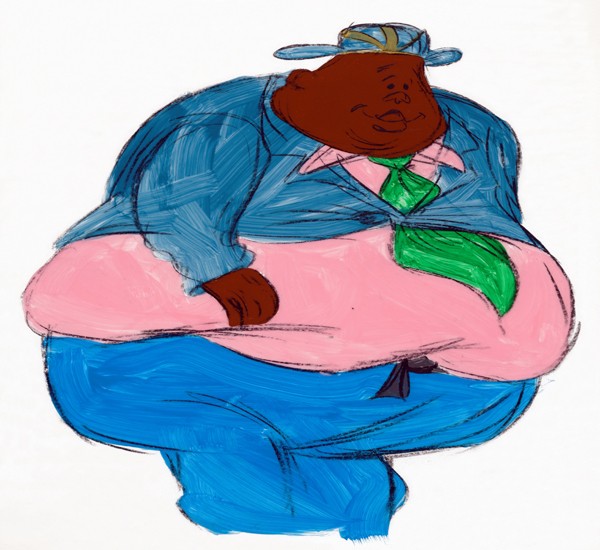
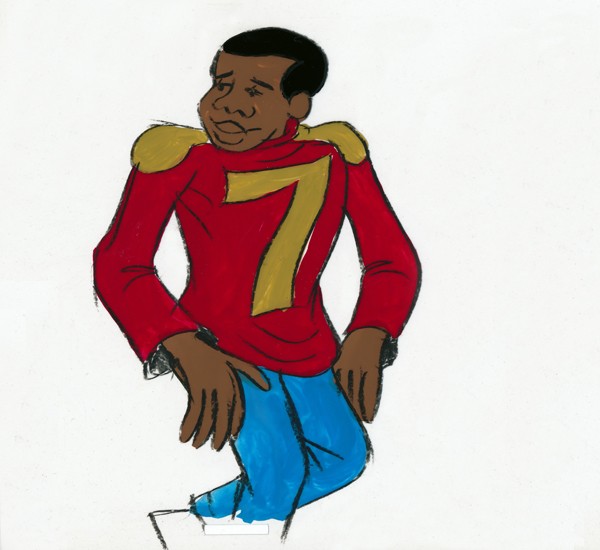
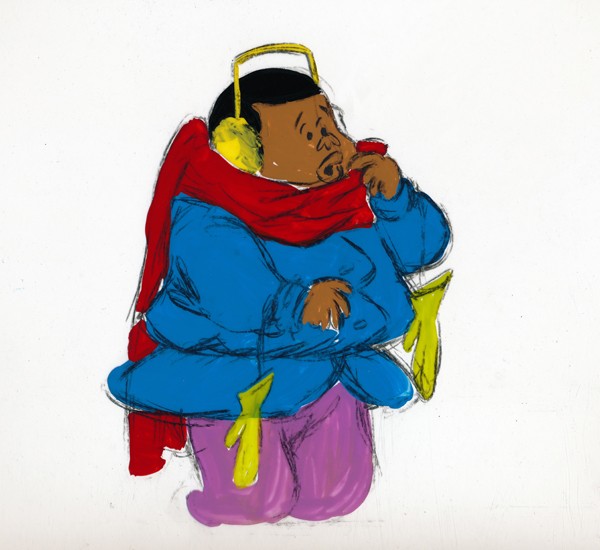
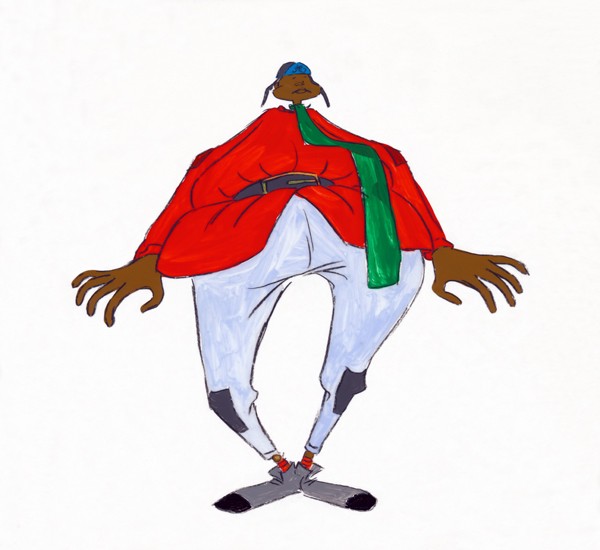
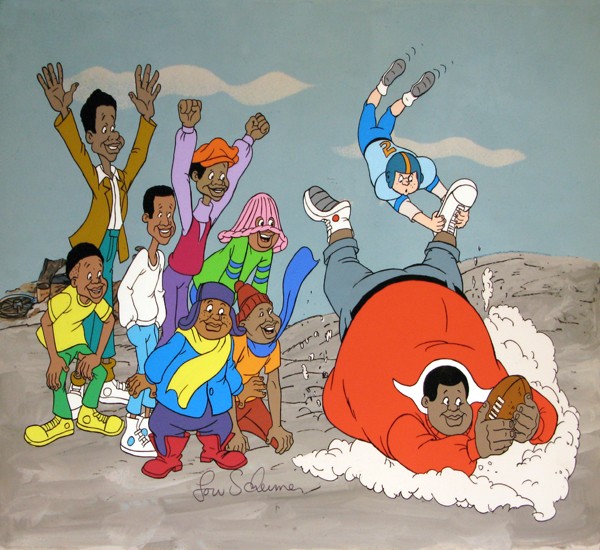
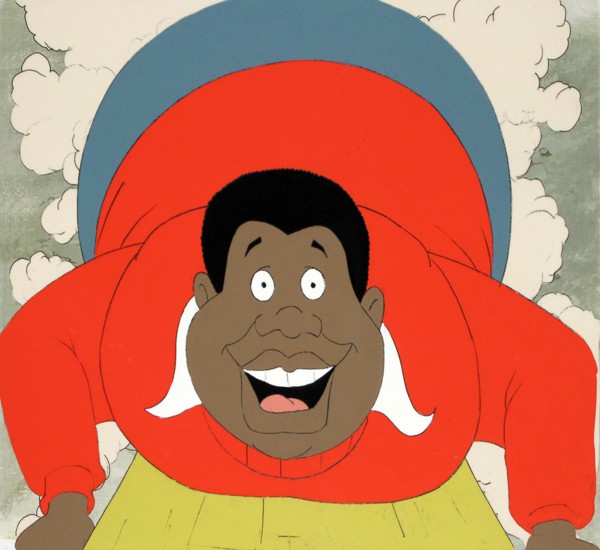
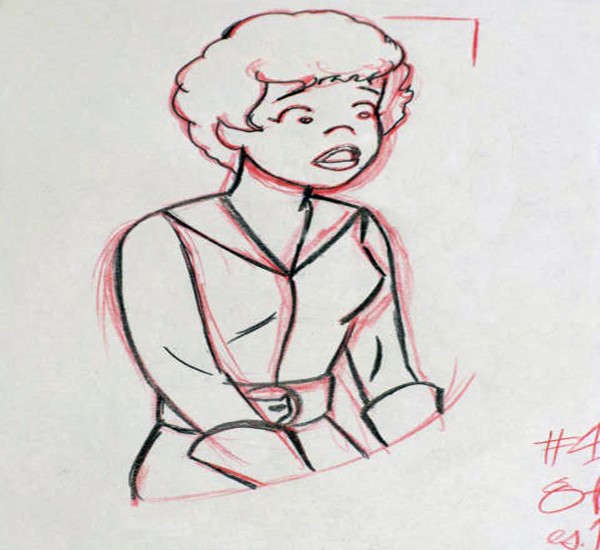
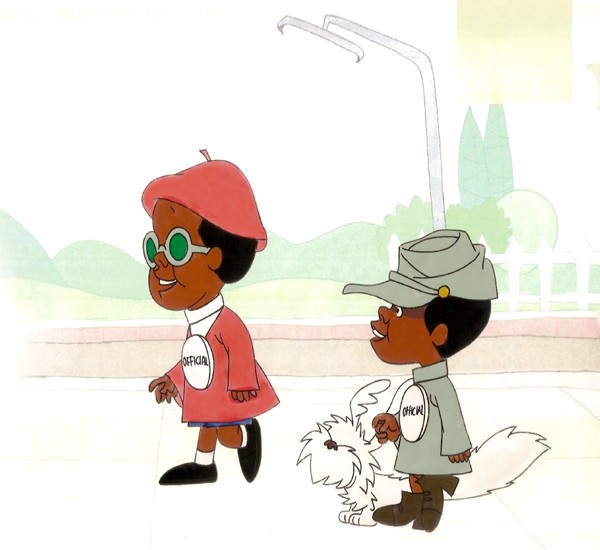
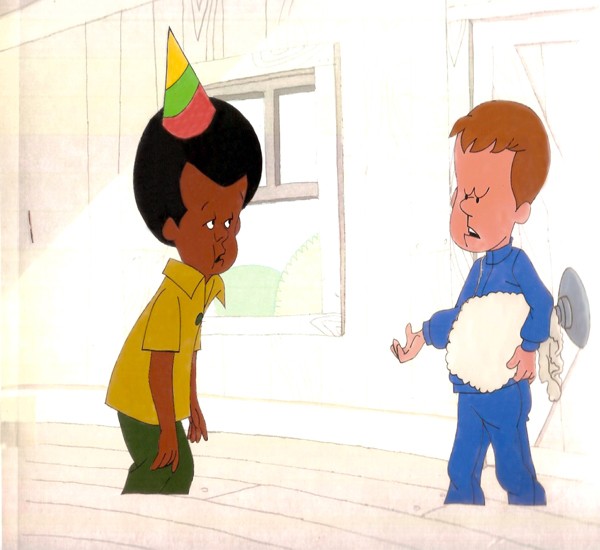
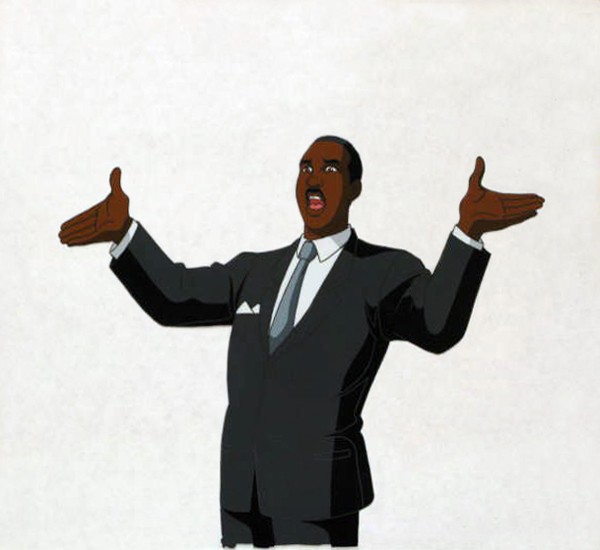
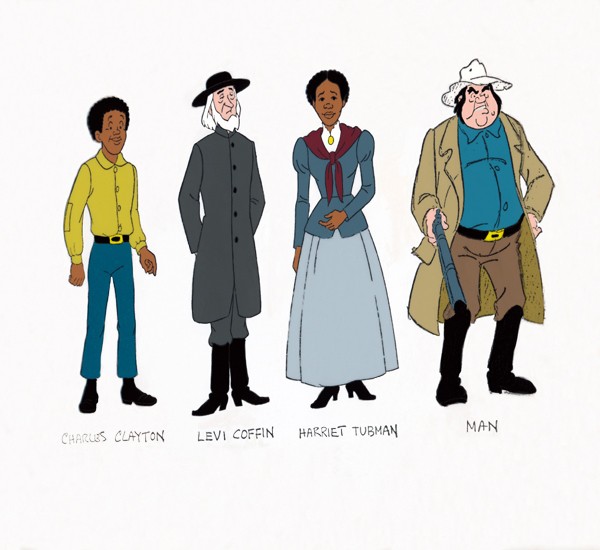
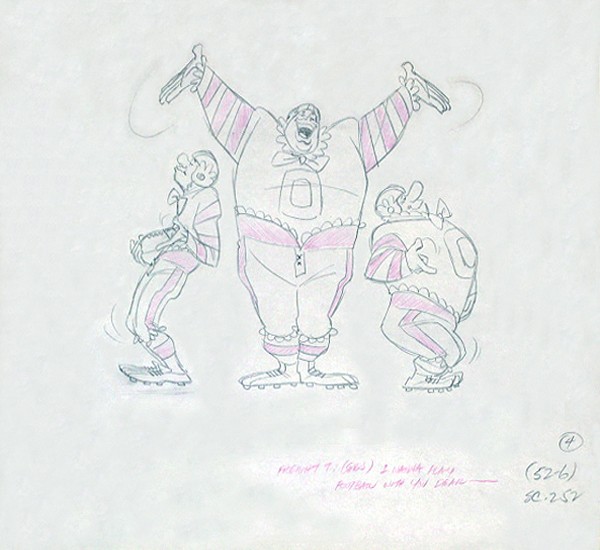
Funky Turns 50: Black Character Revolution includes text panels and 70 pieces of animation art from the Museum Of UnCut Funk collection.

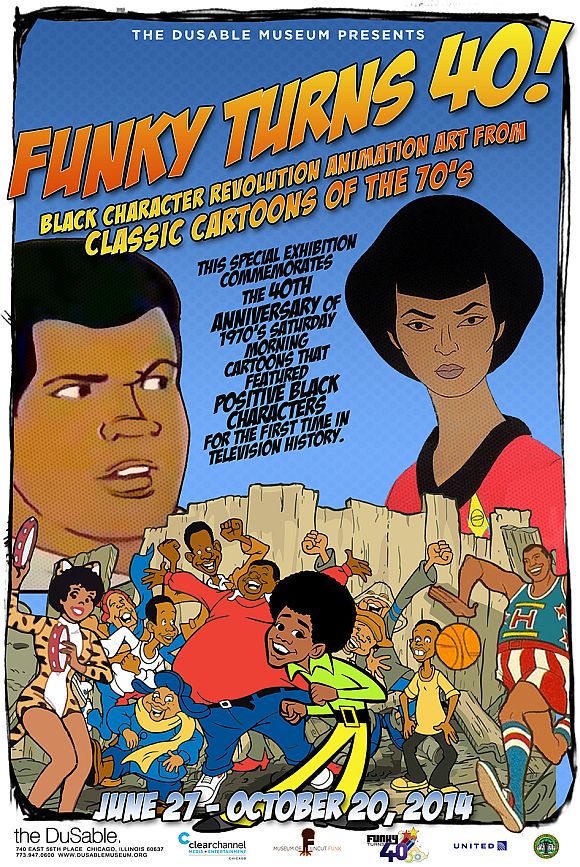
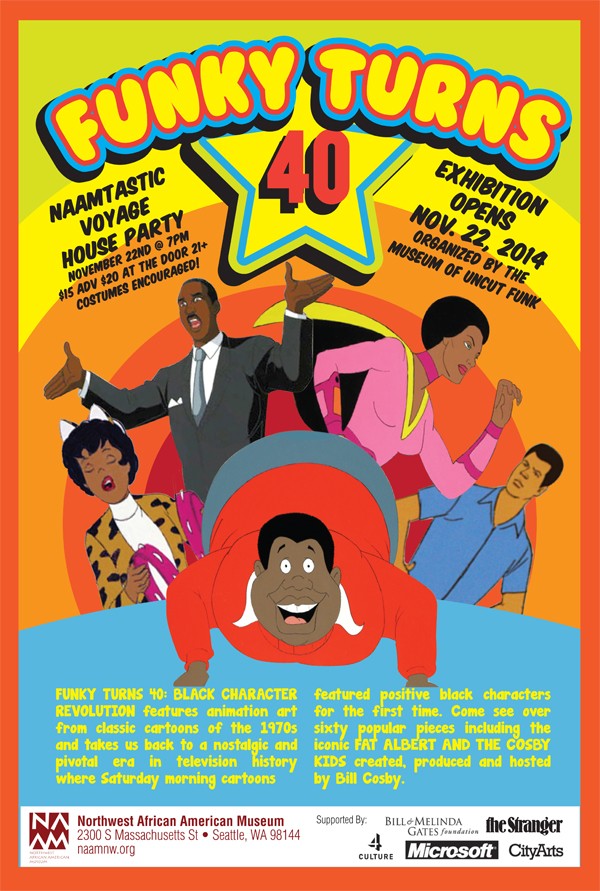
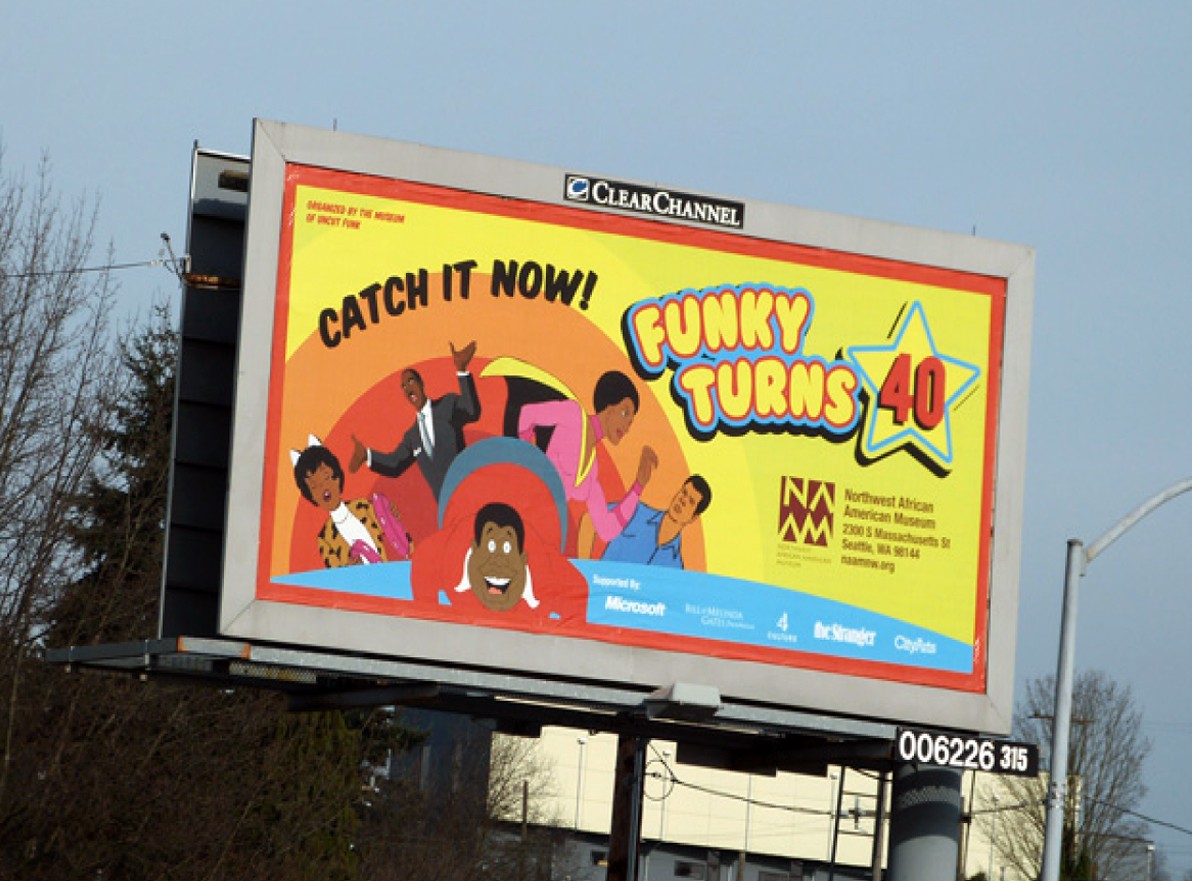
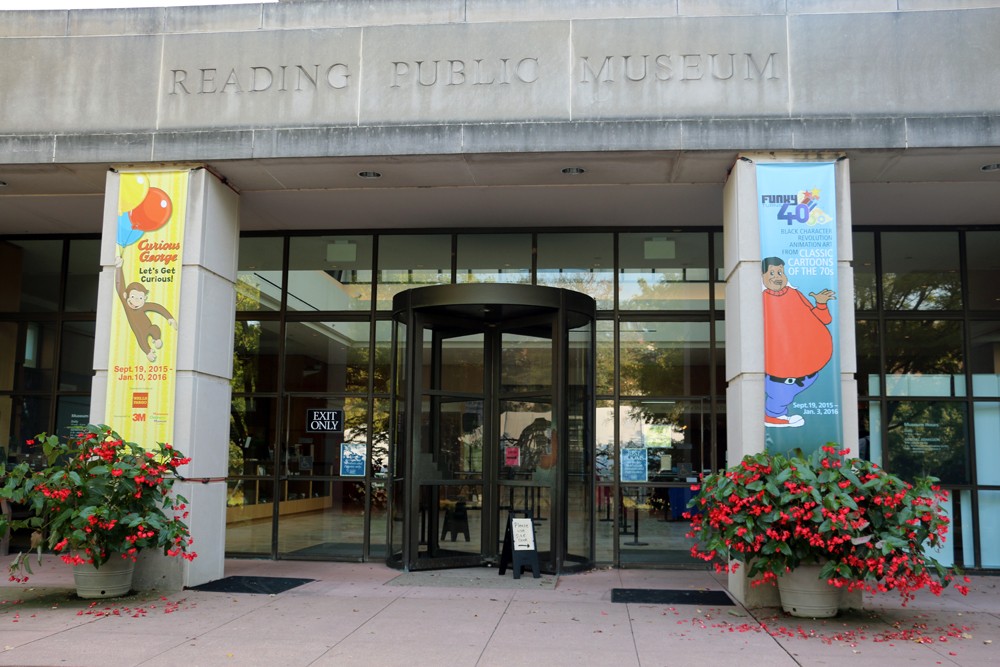
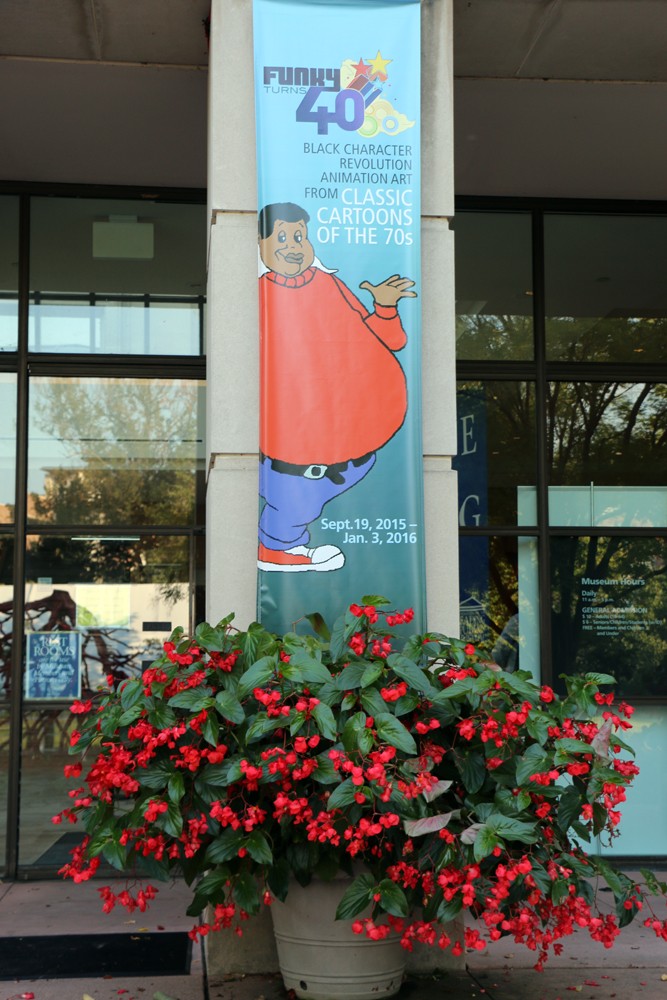
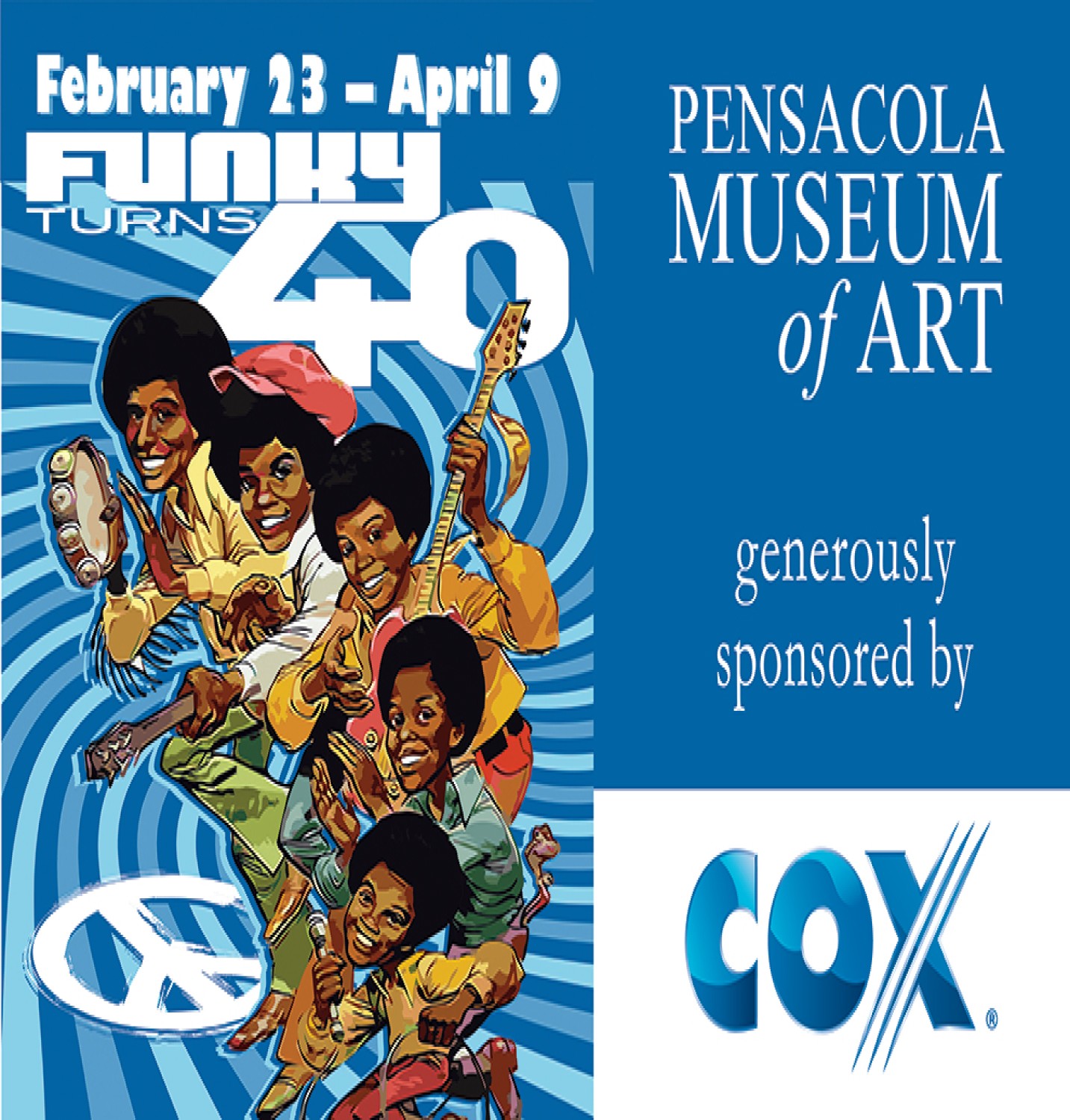
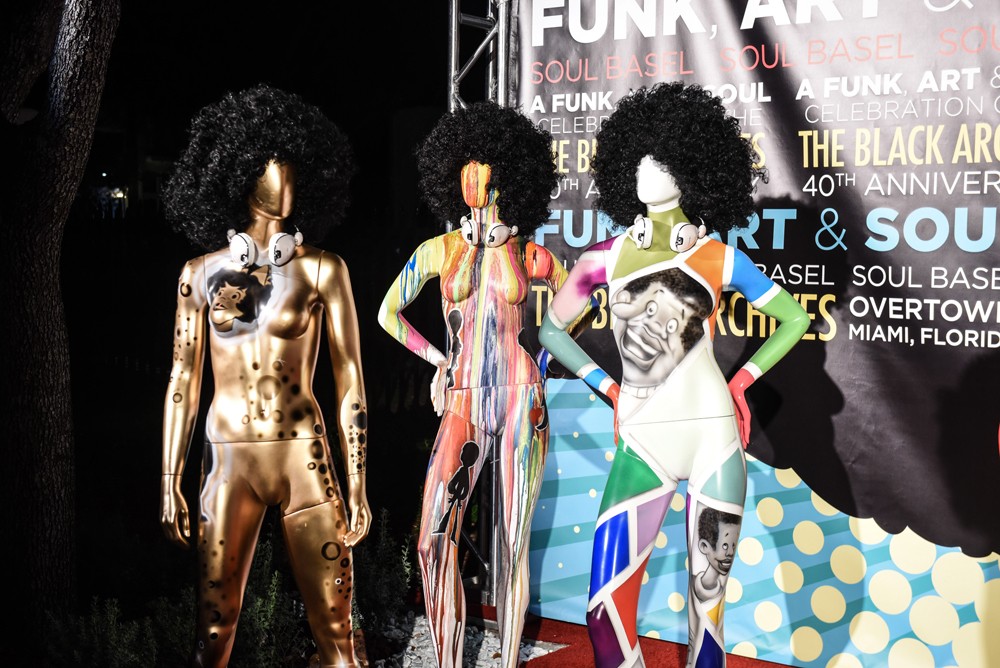
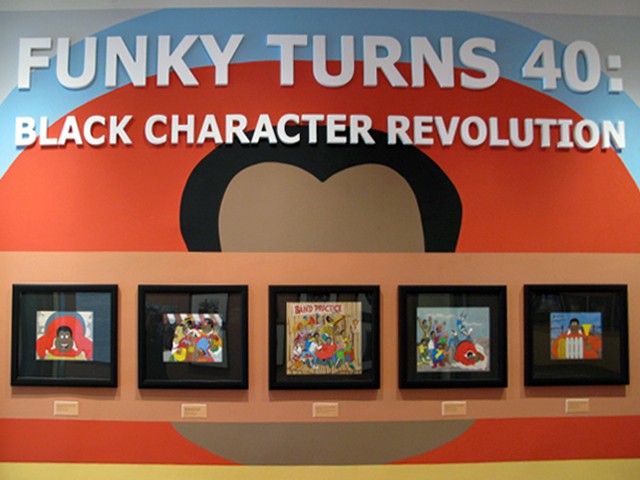




Exhibition Tour Schedule
We are bringing our Funky Revolutionary Cartoon Experience to your town!!!
- January 28 – March 25, 2012 – Toonseum Cartoon Museum – Pittsburgh, Pennsylvania
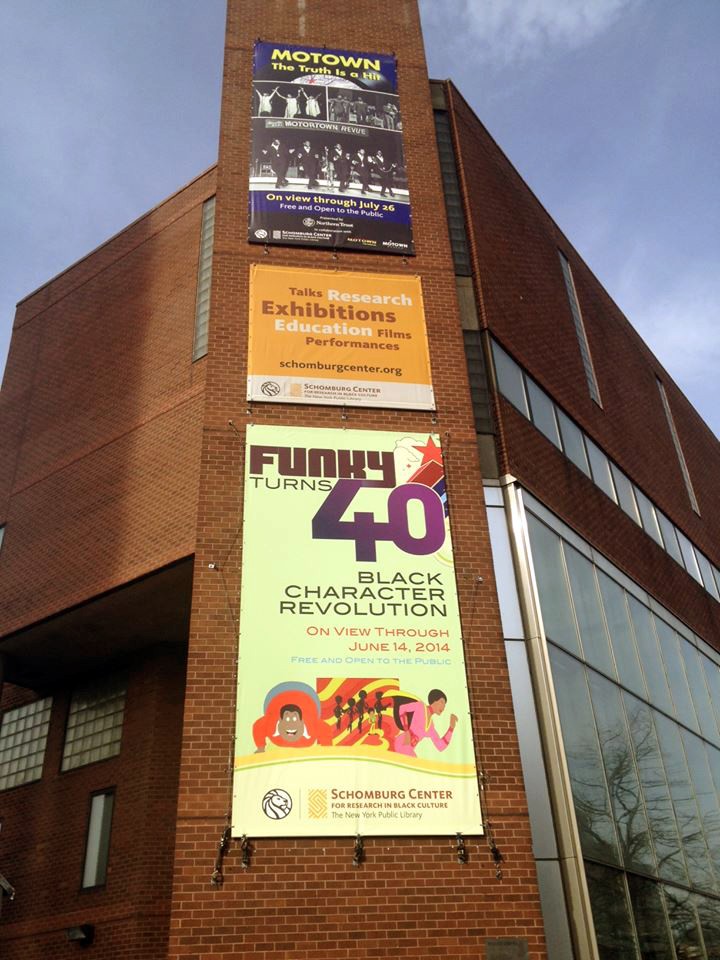
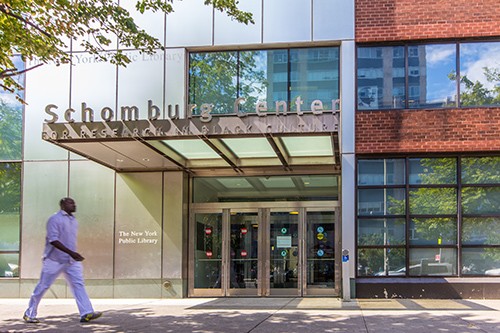
- February 5 – June 14, 2014 – Schomburg Center For Research In Black Culture – New York, New York
- June 27 – October 20, 2014 – DuSable Museum For African American History – Chicago, Illinois
- November 22 – May 3, 2015 – Northwest African American Museum – Seattle, Washington
- September 19, 2015 – January 3, 2016 – Reading Public Museum – Reading, Pennsylvania
- February 23 – April 9, 2016 – Pensacola Museum Of Art – Pensacola, Florida
- May 10 – August 7, 2016 – Black History Museum And Cultural Center Of Virginia – Richmond, Virginia
- September 1 – October 31, 2016 – Meek-Eaton Black Archives – FAMU – Tallahassee, Florida
- July 14 – September 15, 2017 – August Wilson Center For African American Culture – Pittsburgh, Pennsylvania
- November 28, 2017 – February 28, 2018 – The Black Archives History & Research Foundation – Miami, Florida
Curator’s Statement
As a kid growing up in the 1960’s, I saw images of Blacks being beaten and tortured. I saw the aftermath of the assassinations of Martin Luther King and Malcolm X and I couldn’t understand why people who looked like me had been treated in this manner.
Then the 1970’s arrived and brought an explosion of color to Saturday Morning cartoons. As a pre-teen, I could see positive Black characters that looked like me and real people that I admired, like the Jackson Five and The Harlem Globetrotters. I was glued to the television.
I couldn’t wait to see these animated characters fill the small screen. These cartoons changed my life…filling me with pride and self esteem. They brought adventure, mayhem and fun to a generation of Black children.
Fifty years later, my perspective on these cartoons is a little different. Besides being an integral part of Black children’s lives, these cartoons also benefited white children and the broader society as a whole. A number of these cartoons addressed issues like cultural differences, racism and multiculturalism. It is my belief that these cartoons are national treasures. They are an important part of American culture, and in particular the Black experience. I fondly remember the decade when these revolutionary Black cartoon characters made their mark on animation history.
“These cartoons are National Treasures. They were seen by a generation of children and not only changed the way that Black kids saw themselves but the way White kids saw them as well.”
Sista ToFunky
Co-Curator
Historical Overview
Picking up where comic strips left off in the early 20th century, theatrical cartoon film shorts portrayed Blacks in a racially derogatory and stereotypical manner as cannibals, coons, mammies and Stepin Fetchit characters with exaggerated features and ignorant dialect.
From 1900 to 1960, over 600 cartoon shorts featuring Black characters were produced by some of Hollywood’s greatest White animators and biggest film studios. Several famous Black jazz musicians such as Cab Calloway, Fats Waller and Louis Armstrong were also portrayed as stereotypical caricatures. In the 1950’s, several of these racist cartoons were shown on television. As a result of the civil rights movement, in the 1960’s the racial content of many of these cartoons was edited out or the cartoons were pulled from television altogether.
Notably, The Censored Eleven, a group of Looney Tunes and Merrie Melodies cartoons were banned from broadcast because they were deemed to be too offensive for contemporary audiences. In the case of The Censored Eleven, racist themes were so essential and so completely pervasive in the cartoons that no amount of selective editing could ever make them acceptable for distribution.
After sixty years of negative cartoon images, it wasn’t until the late 1960’s / early 1970’s that Saturday Morning television cartoons started to feature image affirming Black characters with a modern look and positive story lines that delivered culturally relevant messages.
This 1970‘s revolution in how Black animation characters were developed and portrayed in Hollywood represents historic change and the ultimate manifestation of Dr. Martin Luther King’s dream.
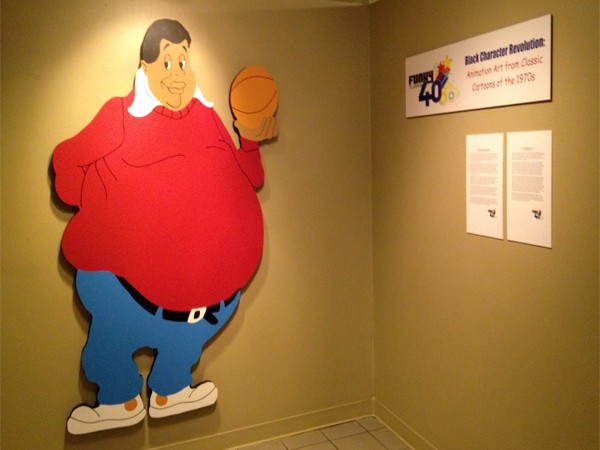
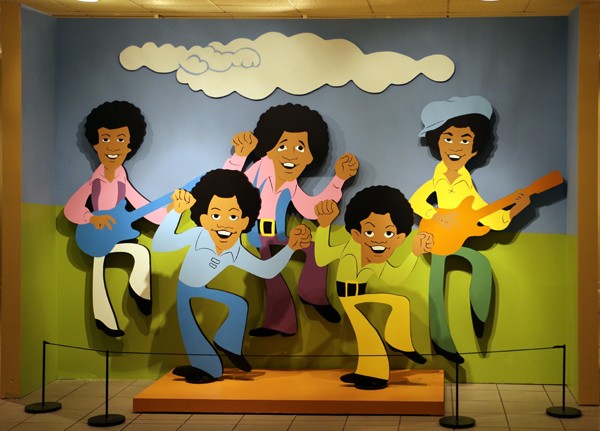
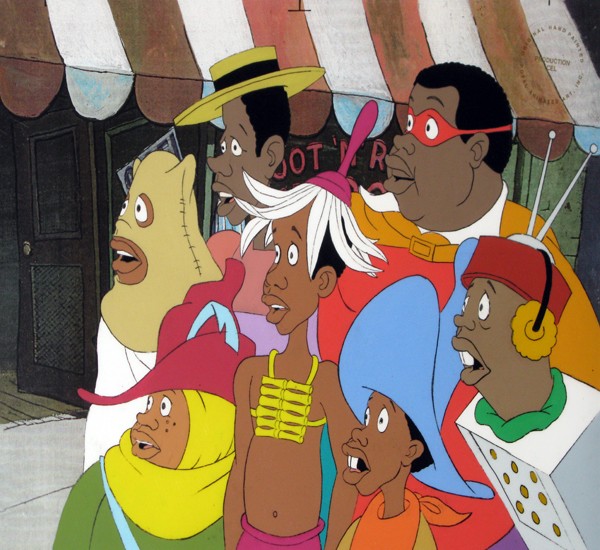
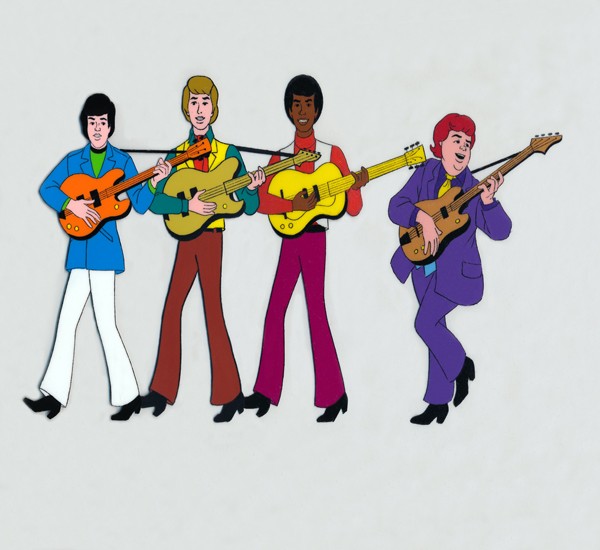
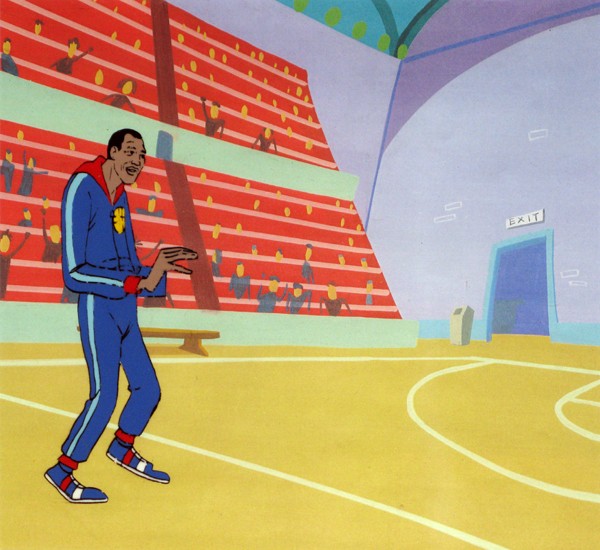
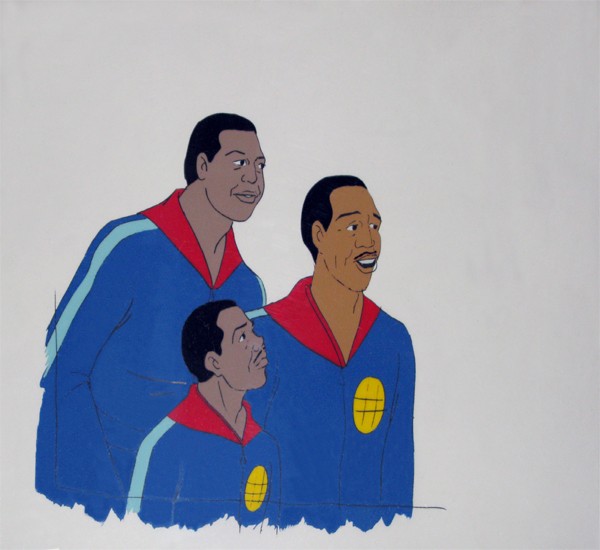
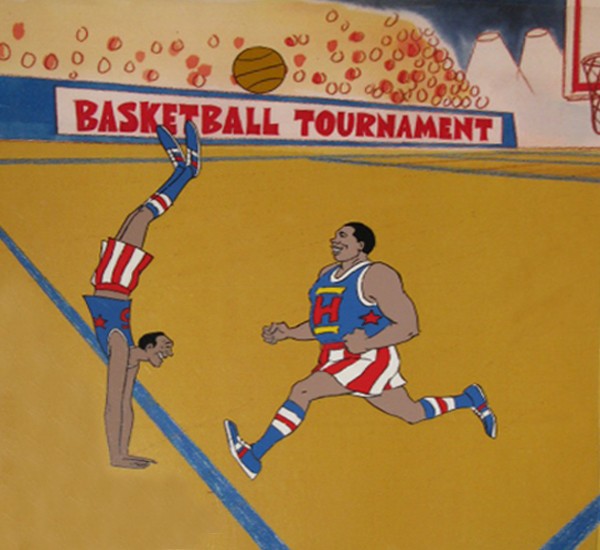
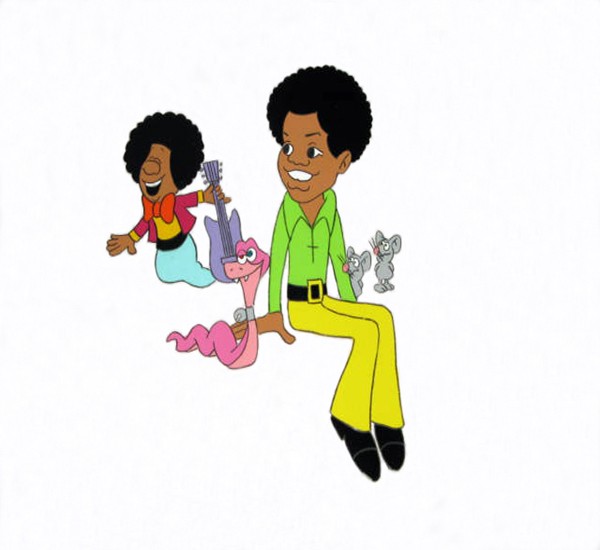
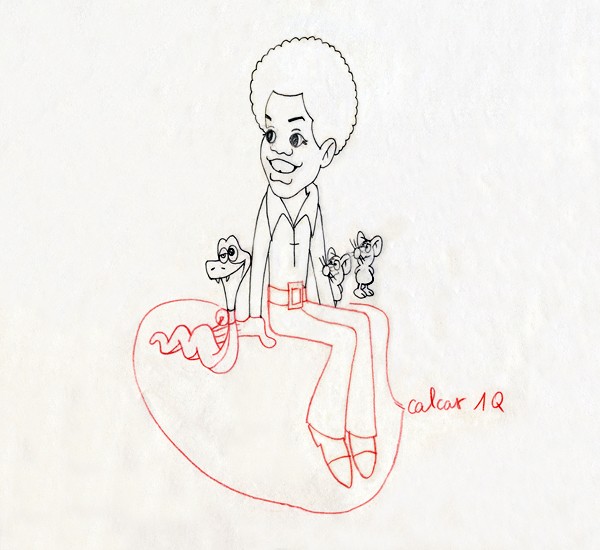
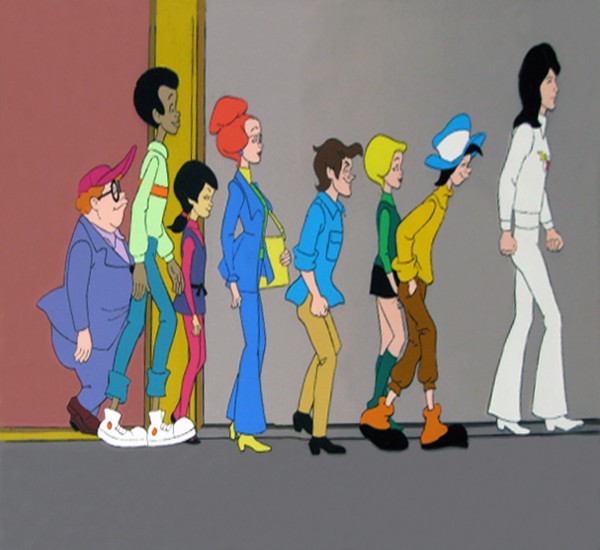
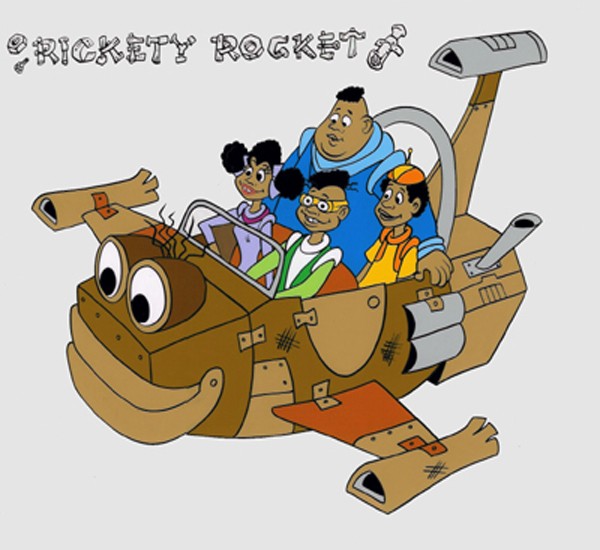
For the first time characters of all races lived, played and worked together as equals. For the first time Black children could see cartoon characters that looked, talked and acted more realistically like them, such as Fat Albert and the Cosby Kids, as well as more positive depictions of their favorite Black music icons and sports heroes like The Jackson 5ive featuring Michael Jackson and his brothers, The Harlem Globetrotters and I Am The Greatest featuring Muhammad Ali.
For the first time, Black children had cartoon role models who taught positive messages like family values, the importance of education, friendship, civic duty, personal responsibility and sportsmanship. For the first time cartoons like Josie and The Pussy Cats, Star Trek and Kid Power featured strong Black female characters and multicultural casts. These cartoons not only changed the way that Black kids saw themselves but the way that white kids saw them as well.
Also, for the first time, Black people like Berry Gordy led development of animated television programming featuring Black characters, from concept through to art creation and production.
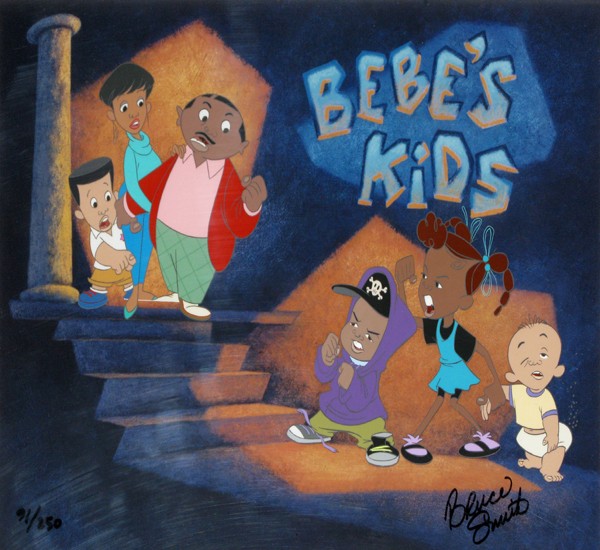
Back in the 1970‘s everybody watched the same cartoons. Since then, many of these cartoons have re-aired on cable networks reaching new generations of children. Forty years later, the legacy of these revolutionary cartoons has eclipsed the stereotypical images that came before and have paved the way for a new generation of Black animation like The Proud Family, Static Shock, Fillmore and Doc McStuffins!
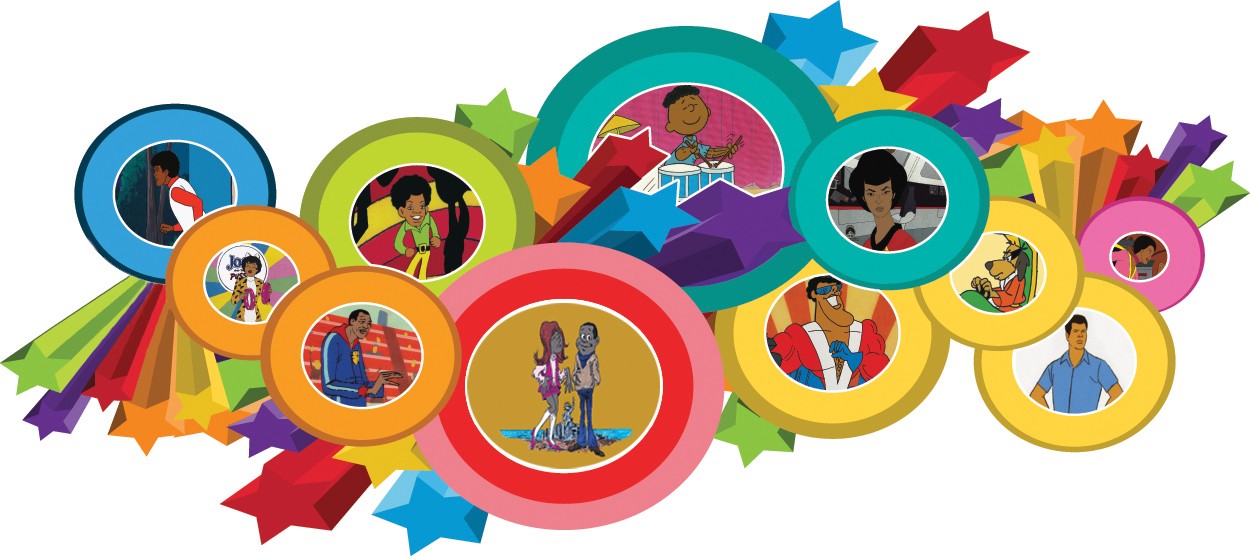
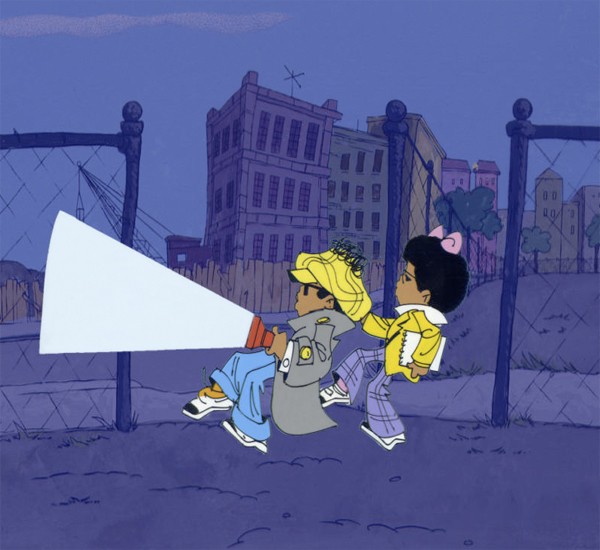
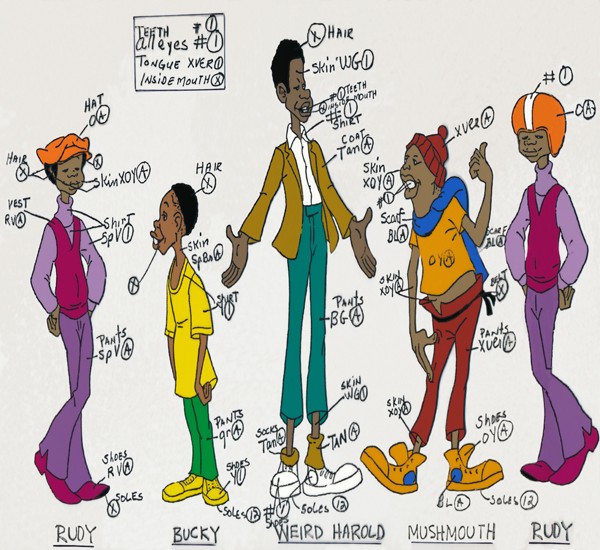
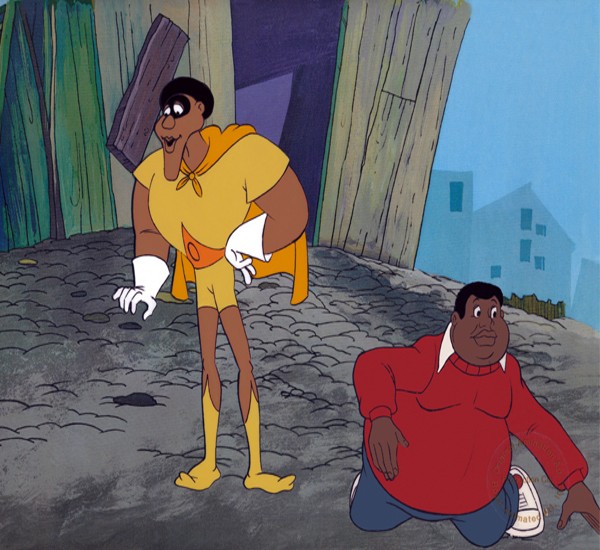
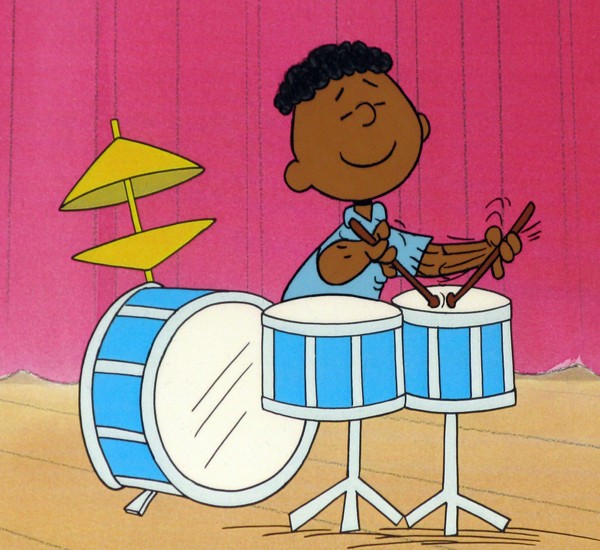
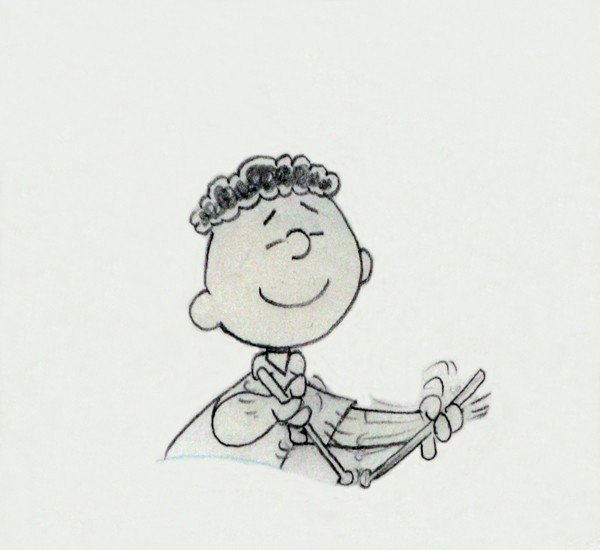
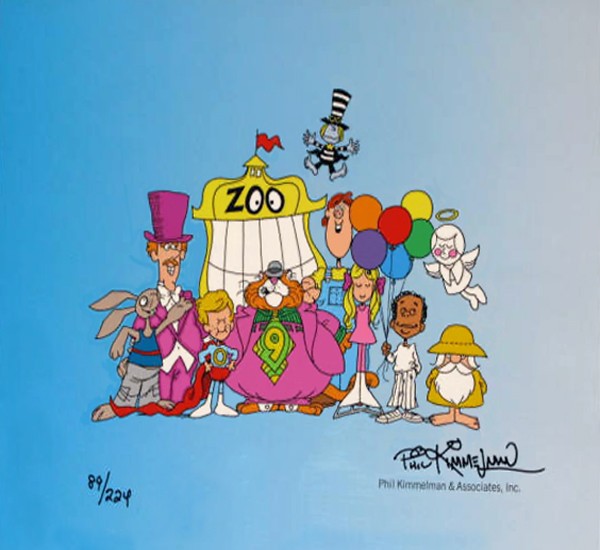
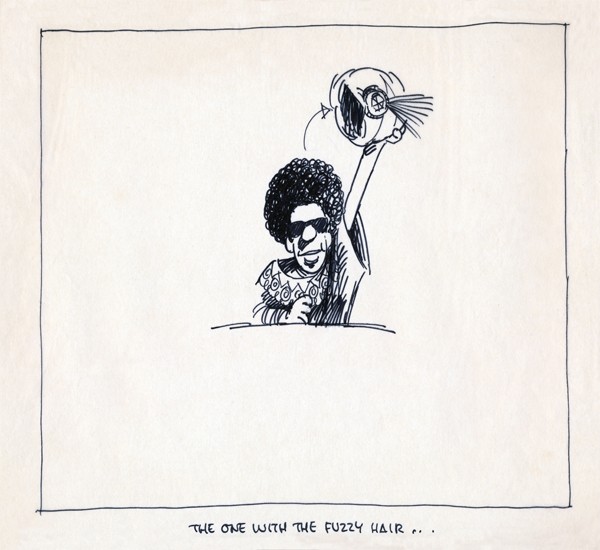
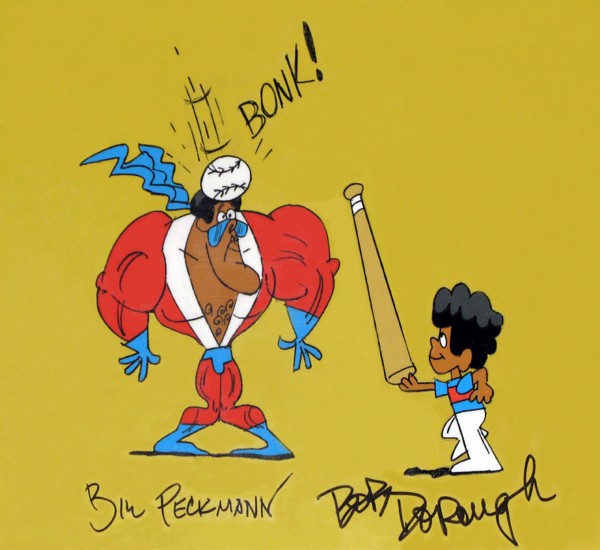
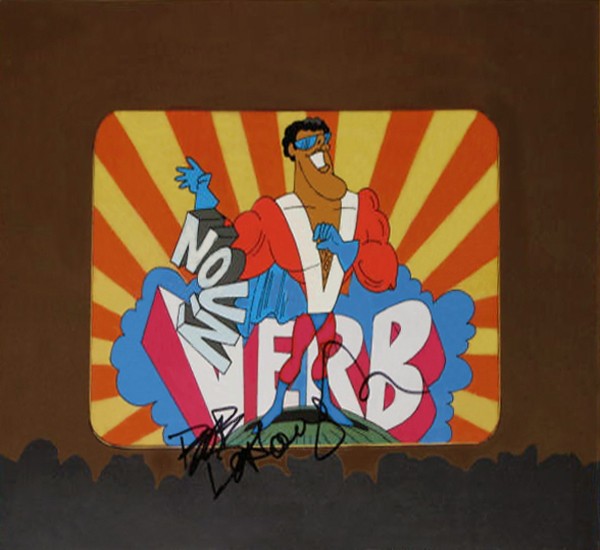
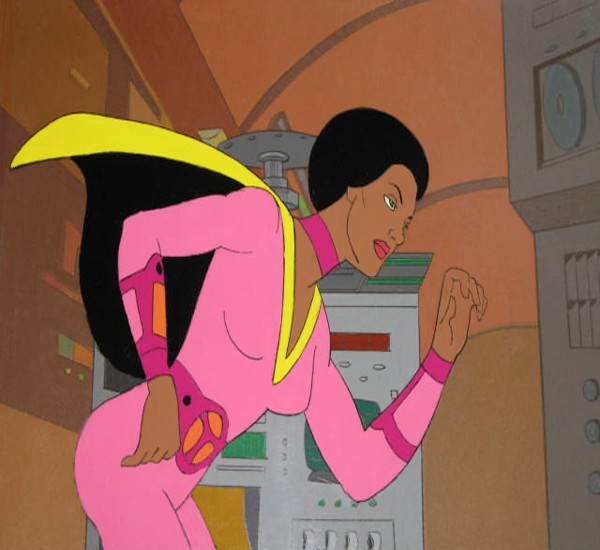
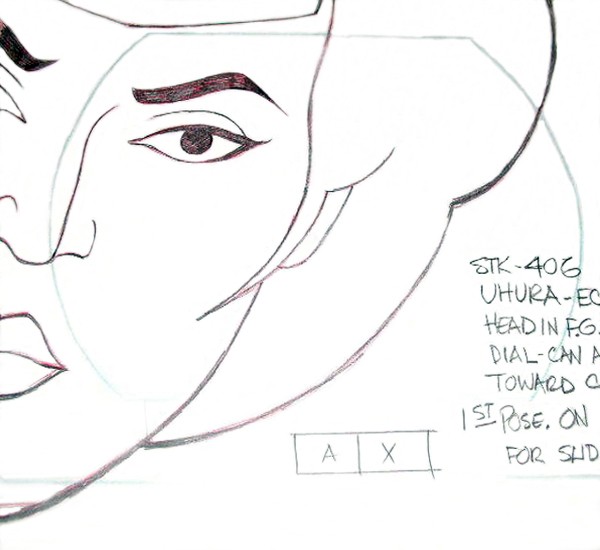
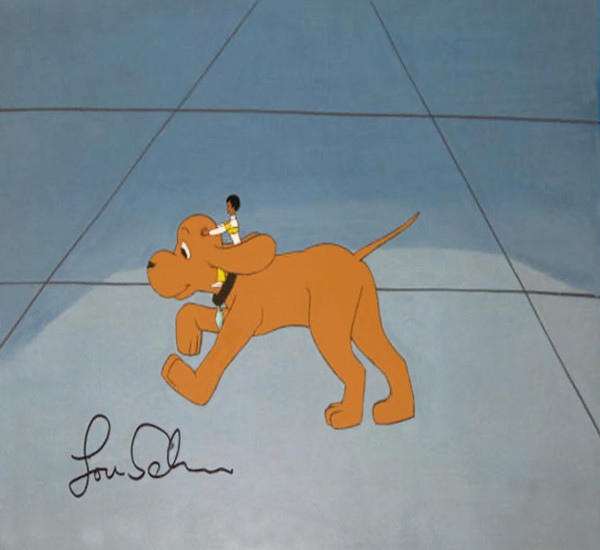
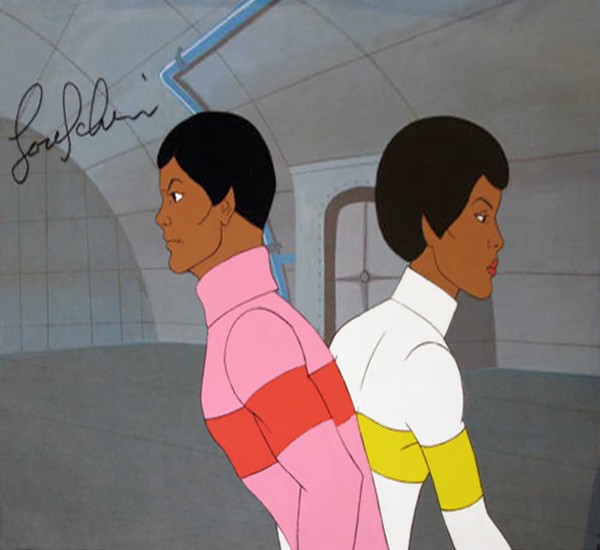
Not surprisingly, fifty years later, the Black Character Revolution generation is the first to produce and elect the first Black President of the United States. The Funky Turns 50: Black Character Revolution exhibition features original production cels and drawings and limited edition cels from this turning point in cartoon history where Black and White animators created positive Black characters and Black stories for all to enjoy, including: Fat Albert And The Cosby Kids, The Jackson 5ive, The Harlem Globetrotters, Valerie – Josie and The Pussy Cats; Lt. Uhura – Star Trek Animated Series, Muhammad Ali – I Am The Greatest, Billy Jo Jive – Sesame Street, Verb: That’s What’s Happening – School House Rock and Franklin – Peanuts.
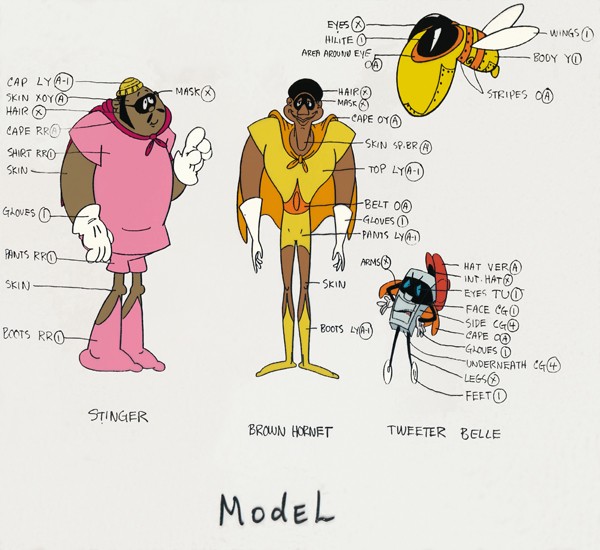
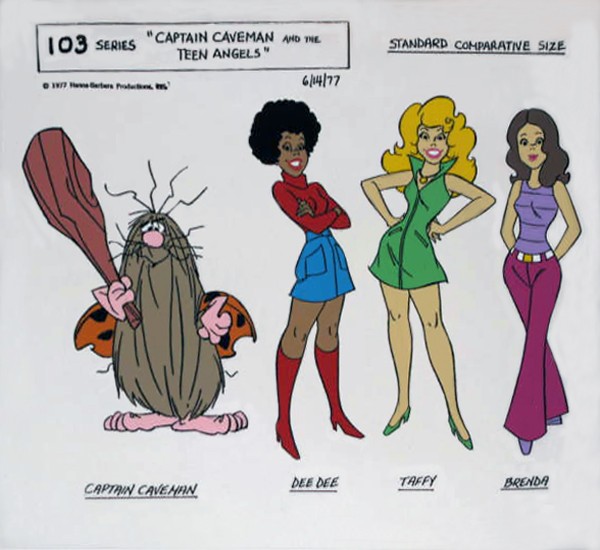
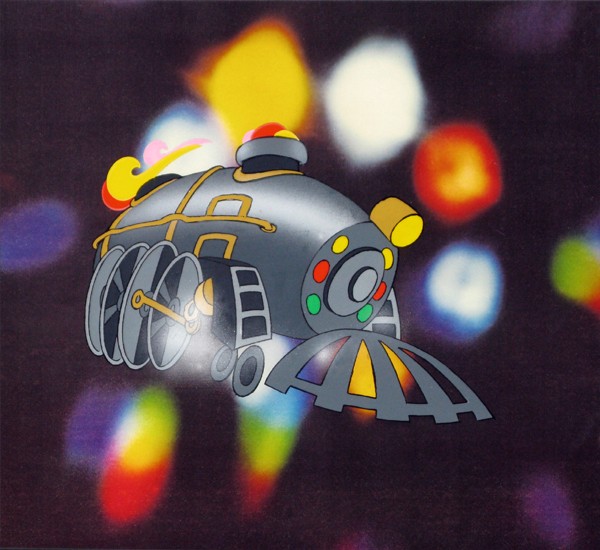
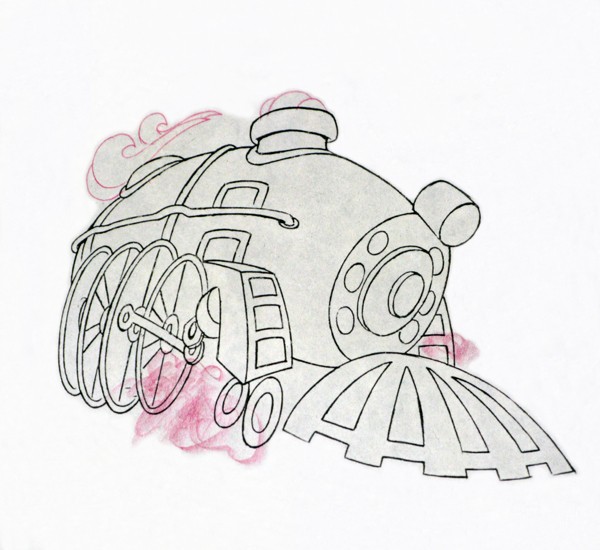
At one time, thousands of hand-painted cels were created and used under the camera to animate every TV and theatrical cartoon. Today’s animation is all computer generated, so hand painted cels represent a lost art form. As relatively little Black animation was produced in the 1970’s and beyond, original production artwork is scarce and rare. Although limited edition reprints of selected scenes from many cartoons and films have been produced, there are very few that have been created from Black animation.
Historical Firsts
Funky Turns 50: Black Character Revolution commemorates the 50th anniversaries of 1970’s Saturday morning cartoons that featured positive Black characters for the first time in television history. The animation art exhibition highlights these cartoons that represent several historical firsts, such as:
- First Black Super Villain in a Saturday Morning cartoon series – Black Manta – Superman / Aquaman Hour Of Adventure (1967)
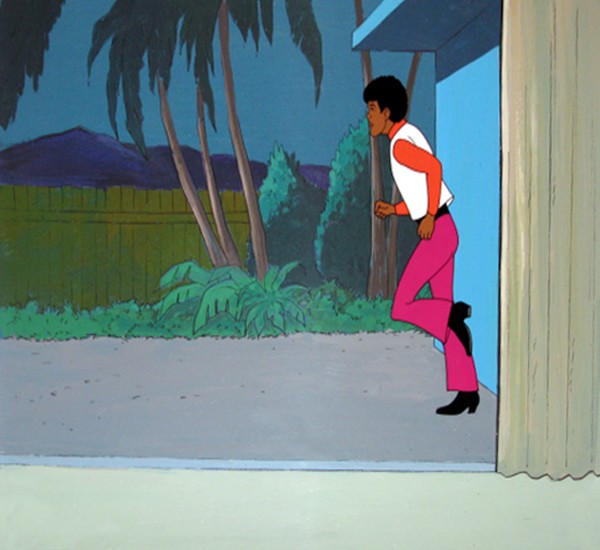
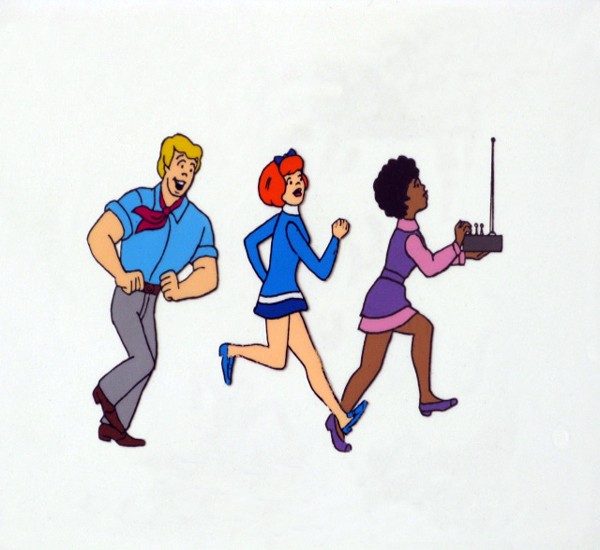
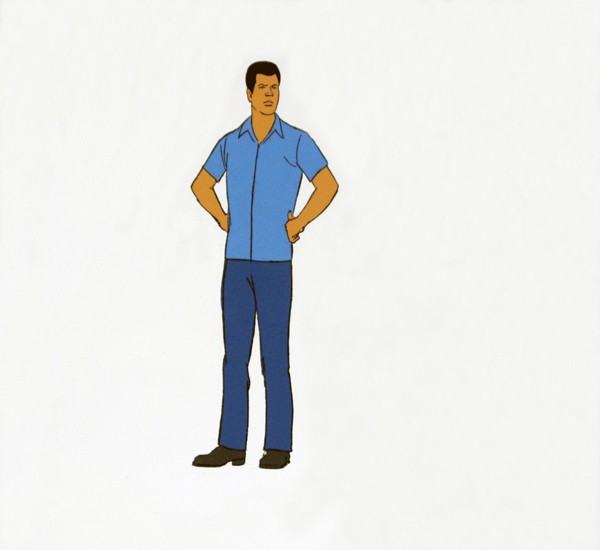
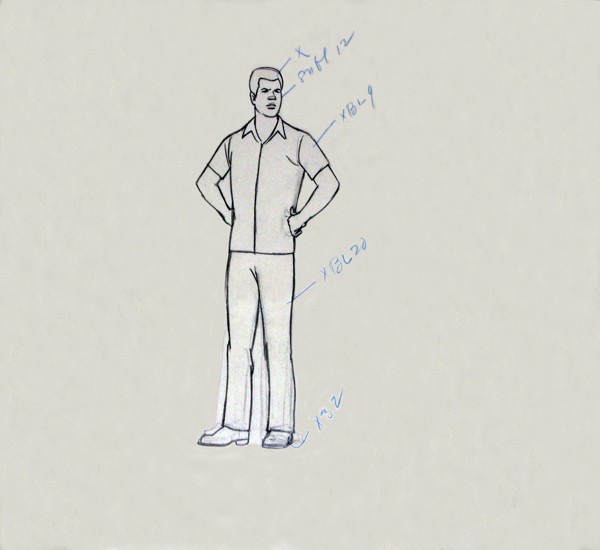
- First positive Black male character in a Saturday morning cartoon series – First positive Black male musician character in a Saturday morning cartoon series – Peter Jones – The Hardy Boys (1969)
- First positive Black cast cartoon – Black cast cartoon special to appear on television – First positive Black cast cartoon / Black cast cartoon special to be created from a comedy routine – Hey, Hey, Hey, It’s Fat Albert primetime special – Based upon Bill Cosby’s 1967 Buck, Buck comedy routine from his Revenge Album (1969)
- First positive Black male character in a primetime cartoon series – First positive Black athlete character in a primetime cartoon series – Freight Train – Where’s Huddles (1970)
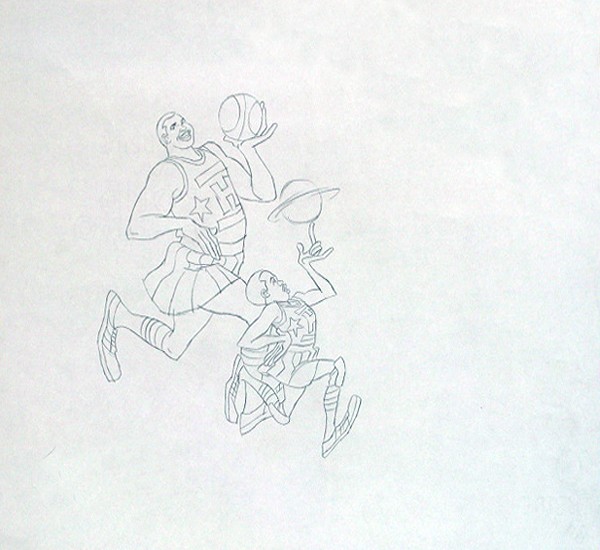
- First positive Black cast Saturday morning cartoon series – First positive Black cast Saturday morning cartoon series featuring Black athletes – Harlem Globetrotters (1970)
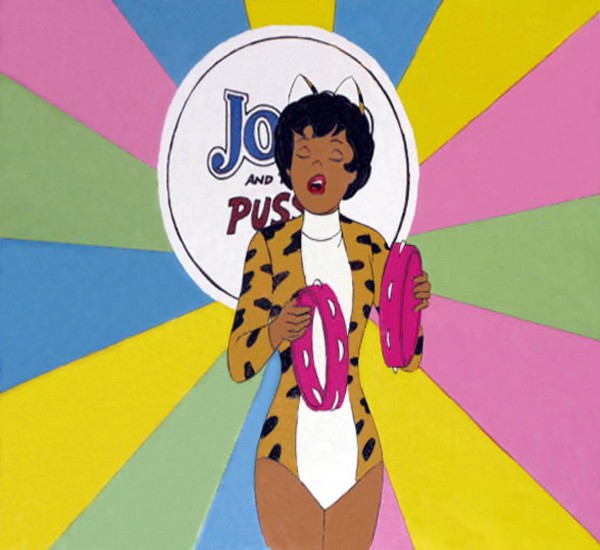
- First positive Black female character in a Saturday morning cartoon series – First positive Black female musician character in a Saturday morning cartoon series – Valerie Brown – Josie And The Pussy Cats (1970)
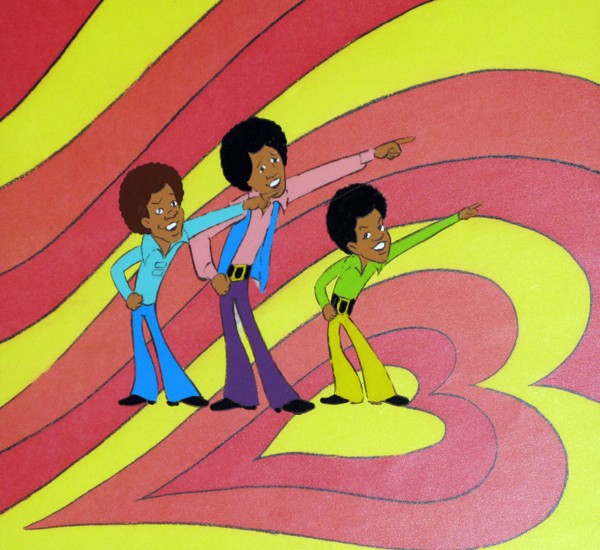
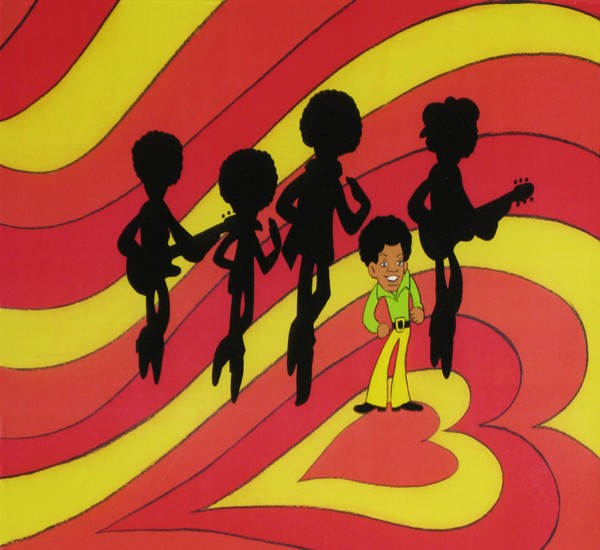
- First positive Black cast Saturday morning cartoon series featuring Black musicians – First television series produced by Motown – Second positive Black cast Saturday morning cartoon series – The Jackson 5ive (1971)
- Longest running positive Black cast Saturday morning cartoon series – Third positive Black cast Saturday morning cartoon series – Fat Albert And The Cosby Kids (1972-1985)
- First truly multicultural Saturday morning cartoon series – First positive Saturday morning cartoon series featuring Black characters to be created from a syndicated comic strip – Kid Power – Based upon Morrie Turner’s Wee Pals comic strip (1972)
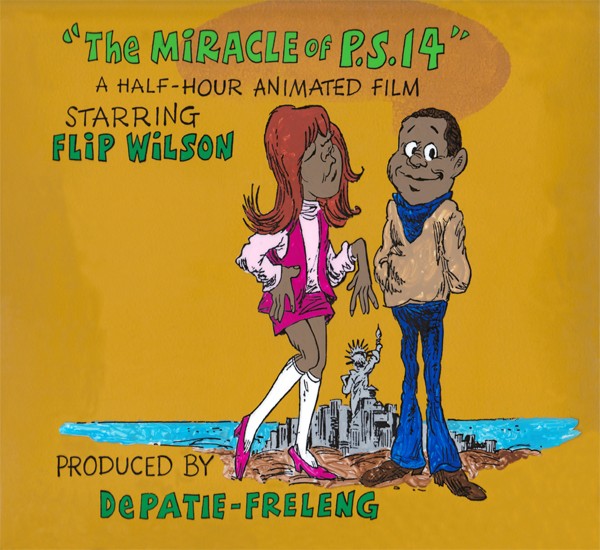
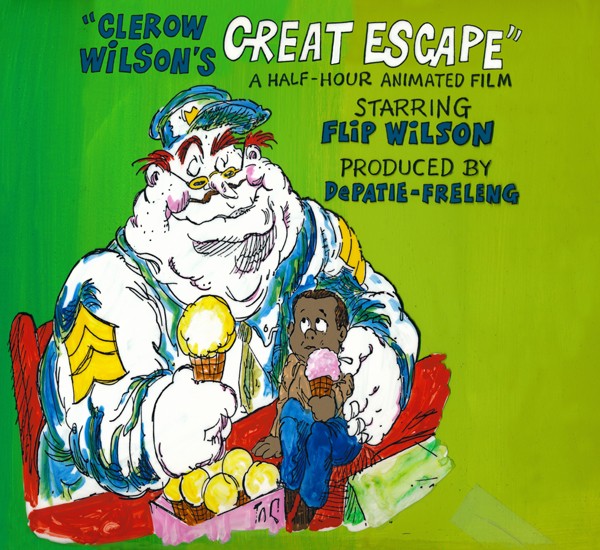
- First positive Black characters from a television series, The Flip Wilson Show, to appear as the same characters in primetime cartoon special – Clerow Wilson And The Miracle Of P.S. 14 (1972)
- First Schoolhouse Rock episode to feature Black Characters – I Got Six (1973)
- First Black character to appear in the Peanuts comic strip (introduced July 31, 1968) -First Black character to appear in a Peanuts cartoon special – Franklin Armstrong – There’s No Time For Love Charlie Brown (1973)
- First positive Black character from a television series to appear as the same character in a Saturday morning cartoon series – Lt. Uhura – Star Trek (1973)
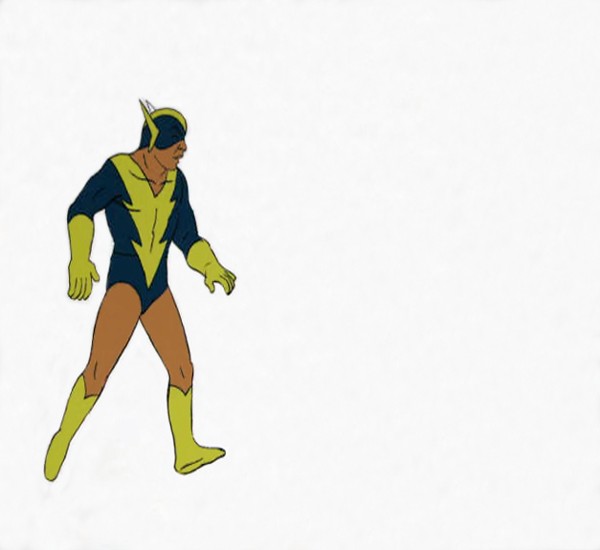
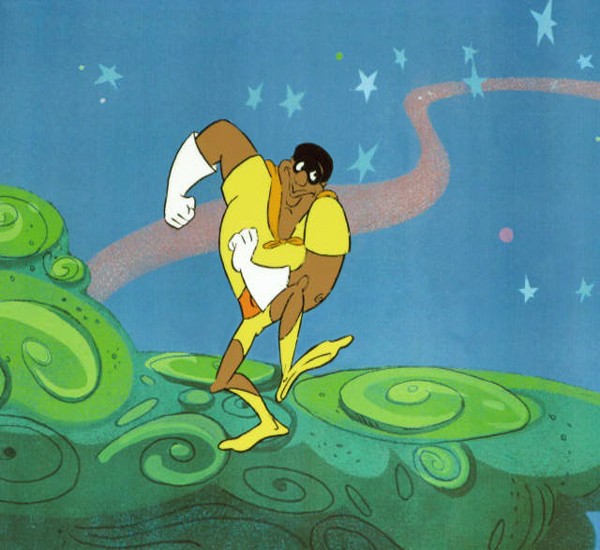
- First Black male superhero character in a cartoon – second Schoolhouse Rock episode to feature Black Characters – Verb (1974)
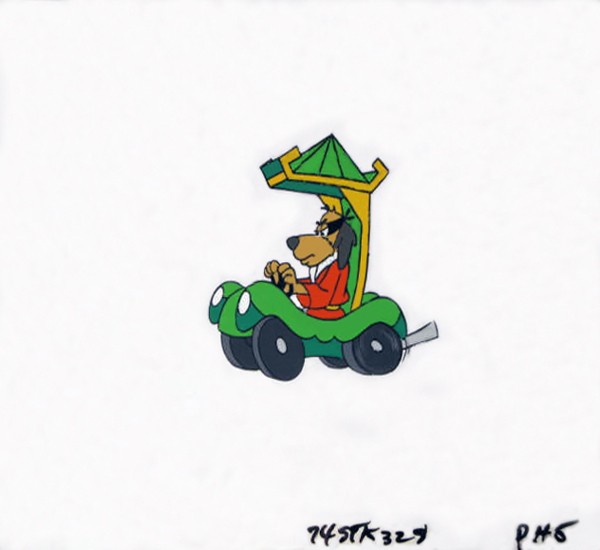
- First Black male superhero character in a Saturday morning cartoon series – Second Black male superhero character – Hong Kong Phooey (1974)
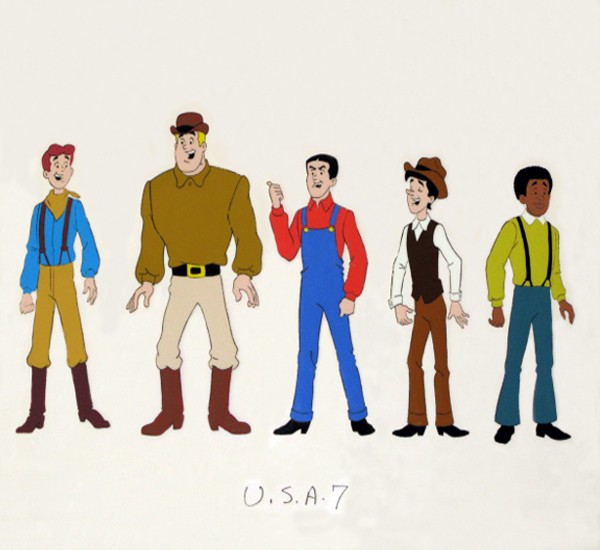
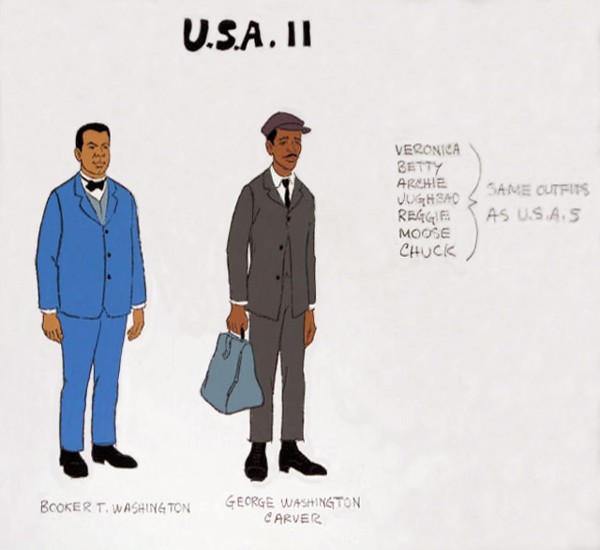
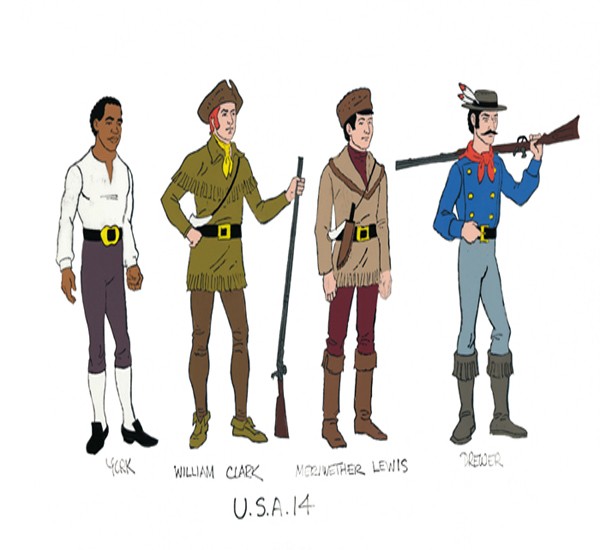
- First Black male character to appear in Archie comics as a member of the gang – First Black male character to appear as a member of the Archie’s gang in a Saturday morning cartoon series – Chuck Clayton – U.S. Of Archie (1974)
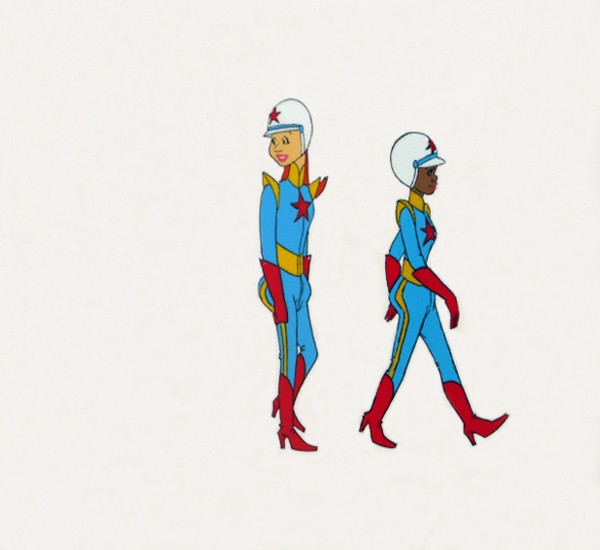
- First Black female superhero character in a Saturday morning cartoon series – Astrea – Space Sentinels (1977)
- First positive cartoon series featuring Black characters to be created from a series of children’s books – Billy Jo Jive – Based upon Ted and John Shearer’s Billy Jo Jive book series – Aired as segment during Sesame Street (1978)
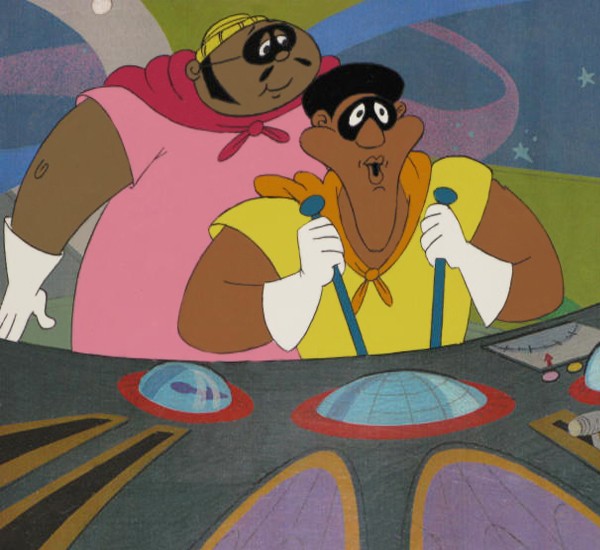
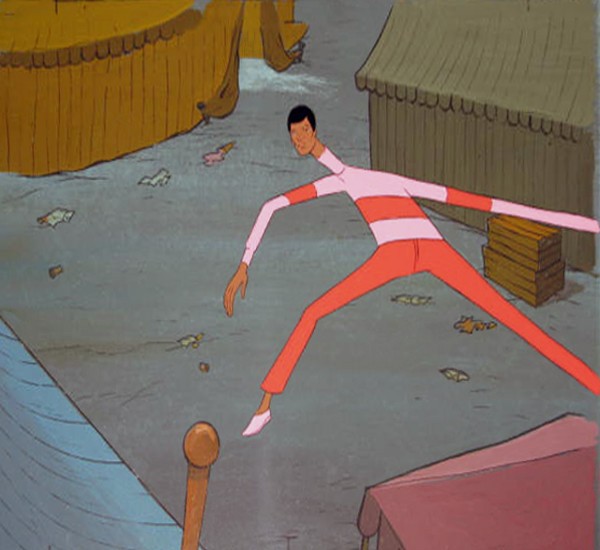
- First Black superhero duo to appear in a Saturday morning cartoon series – First Black Husband and Wife superhero duo to appear in a Saturday morning cartoon series – Micro Woman and Super Stretch – Aired as segment during Tarzan and the Super 7 (1979)
- First Black superhero team to appear in a Saturday morning cartoon series – Third Saturday morning cartoon series to feature The Harlem Globetrotters – The Super Globetrotters (1979)
- First time that Black people like Berry Gordy led the development of animated television programming featuring Black characters, from concept through to art creation and production

















3 Comments
wow I am from pittburgh! I would have loved to went to see that!
Where can I get the Dusable Museum Presents poster?
Where was Black Vulcan? He was a black superhero in 70s cartoons too!