

While putting together the Museum Of UnCut Funk site, I (The Curator-Sista ToFunky) saw an opportunity to bring a hip awareness to collecting stamps. My goal was to bring a funkier vibe while fostering a better understanding of Black history and making it cool for younger generations to collect stamps.
Some may consider stamp collecting to be a waste of time. If you look at most most stamp collecting sites they are boring. They rarely feature stamps that reflect my interests and the sites themselves are not inviting and often too difficult to navigate. But if you are a real collector and want to preserve culturally and historically relevant artifacts then stamps are an inexpensive option.
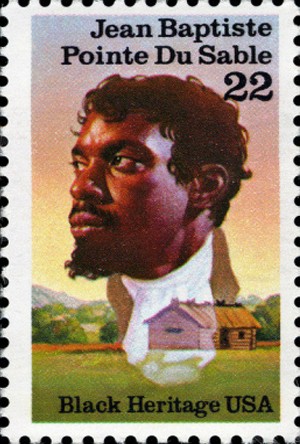
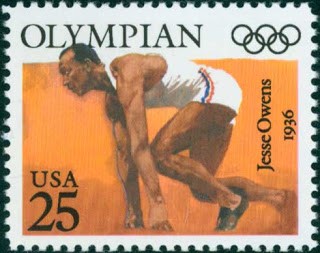
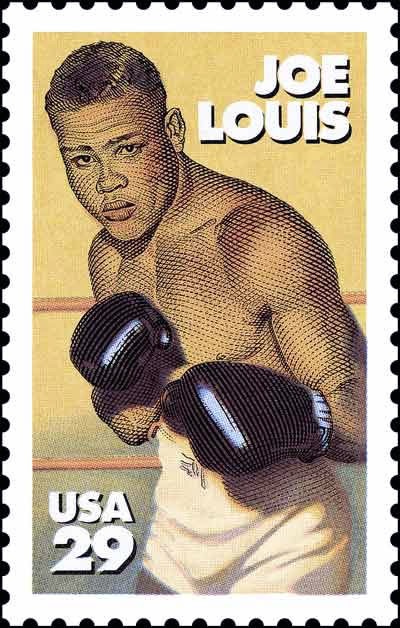
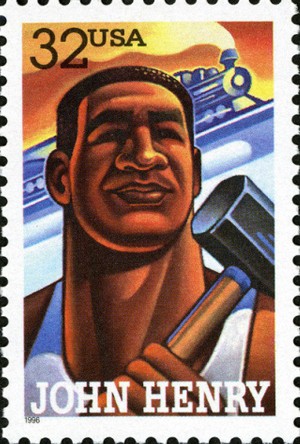
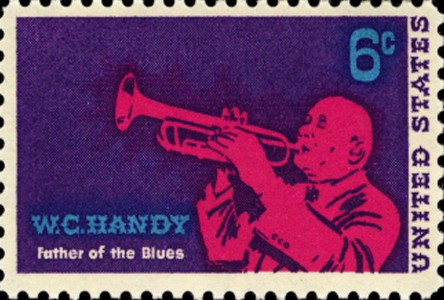
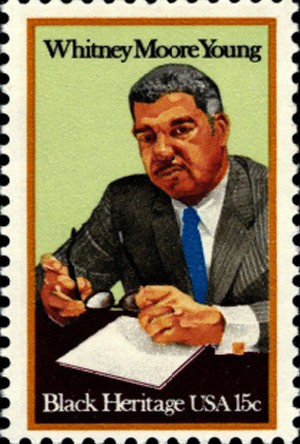
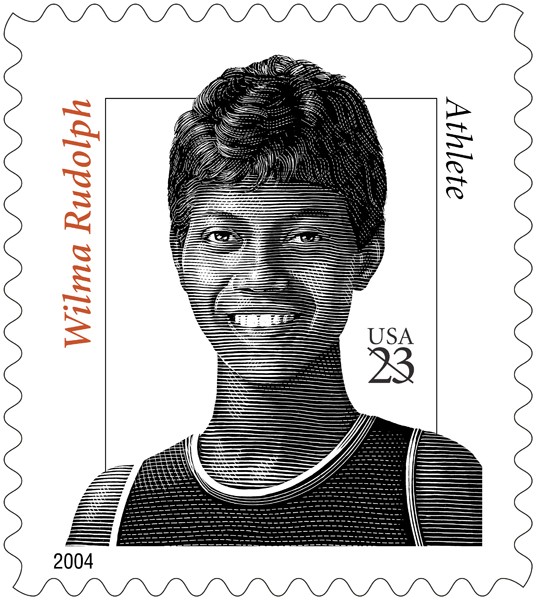
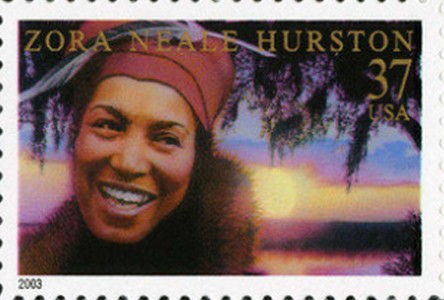
The Museum of UnCut Funk is proud of it’s USPS Black Heritage stamp collection as well as our other stamps that showcase the contribution of Blacks to US History. I have provided the historical background of a few of my favorites as well as provided a gallery of the entire USPS Black Heritage series below.
2015 USPS Black Stamps
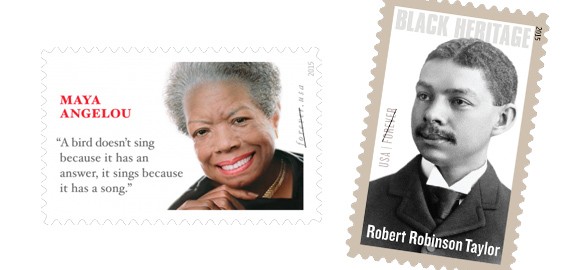
Author, poet, actress, and champion of civil rights Dr. Maya Angelou was one of the most dynamic voices in all of 20th-century American literature. Born on April 4, 1928, in St. Louis, Missouri, writer and civil rights activist Maya Angelou is known for her 1969 memoir, I Know Why the Caged Bird Sings, which made literary history as the first nonfiction best-seller by a Black woman. In 1971, Angelou published the Pulitzer Prize-nominated poetry collection Just Give Me a Cool Drink of Water ‘Fore I Die. She later wrote the poem “On the Pulse of Morning” one of her most famous works which she recited at President Bill Clinton’s inauguration in 1993. Angelou received several honors throughout her career, including two NAACP Image Awards in the outstanding literary work category, in 2005 and 2009.
Architect and educator Robert Robinson Taylor supervised the design and construction of the Tuskegee Institute in Alabama while also overseeing the school’s programs in industrial education and the building trades. He is believed to have been both the first Black graduate of the Massachusetts Institute of Technology and the country’s first academically trained black architect. Through his calm leadership and quiet dignity, he earned the admiration of colleagues and students alike while expanding opportunities for Blacks in fields that had largely been closed to them.
2014 USPS Black Stamps Part 2
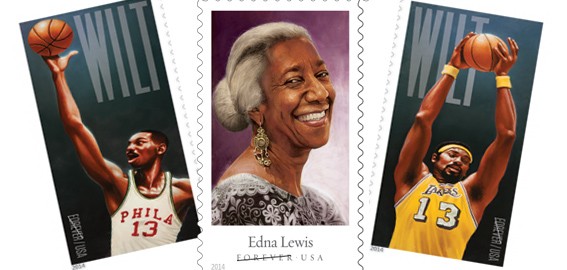
USPS celebrates the life of basketball superstar Wilt Chamberlain. On the court, he was a force of nature. The 7-foot-1-inch center dominated the NBA for more than a decade, setting a plethora of individual records. As a pro, he led his teams to two NBA championships, and in 1962 he scored an NBA record 100 points in a single game.
Edna Lewis was an multi-award-winning, African-American chef, industry mentor, and prize-winning cookbook author whose magical execution of Southern cuisine seduced restaurant-goers and private clients for nearly 60 years and she was an inspiration to young chefs. Edna Lewis was an multi-award-winning, African-American chef, industry mentor, and prize-winning cookbook author whose magical execution of Southern cuisine seduced restaurant-goers and private clients for nearly 60 years and she was an inspiration to young chefs.
2014 USPS Black Stamps
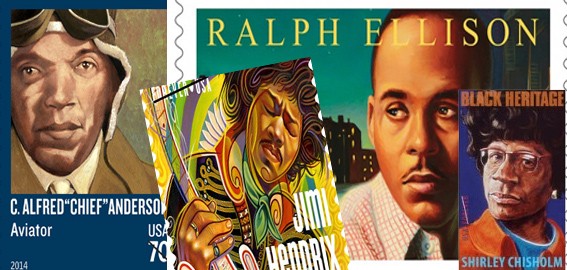
C. Alfred “Chief” Anderson. This pioneering African-American aviator played a crucial role during World War II in training the nation’s first black military pilots, the Tuskegee Airmen. The stamp, the 15th in the Distinguished Americans series, is based on a photograph of Anderson in the 1942 yearbook of the Tuskegee Institute’s flight training school in Tuskegee, Alabama. The artist added headgear used by pilots in World War II.
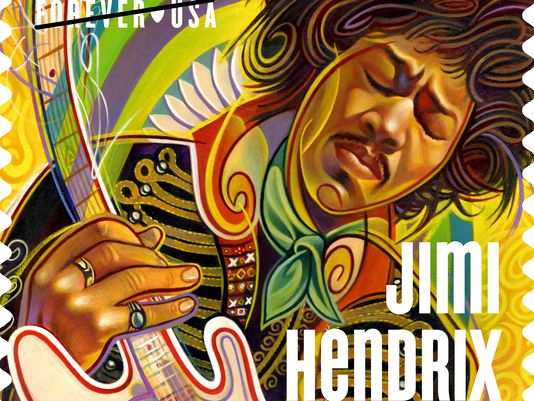
Jimi Hendrix joins the growing list of Music Icons honored by the USPS, including 2013 honorees Lydia Mendoza, Johnny Cash, and Ray Charles, and 2014 honoree Janis Joplin.
Despite being unable to read or write music, Hendrix is widely recognized as one of the most creative and influential musicians of the 20th century. Born Johnny Allen Hendrix in Seattle, he took an interest in music, drawing influence from virtually every major artist at the time, including B.B. King, Muddy Waters, Howlin’ Wolf, Buddy Holly, and Robert Johnson. Before his father bought him his first stringed instrument–a ukelele–and later an acoustic guitar, the young Jimi Hendrix first ‘practiced’ by strumming an old broom.
After serving as a “Screaming Eagles” paratrooper in the U.S. Army and being discharged following an injury, he embarked on a musical career that vaulted him into stardom and made The Jimi Hendrix Experience one of most popular and highest grossing touring acts in the world.
The 29th stamp in the Literary Arts series honors author Ralph Ellison. With his 1952 novel Invisible Man, Ellison drew on a wide range of narrative and cultural traditions, shedding vivid light on the African- American experience while setting a new benchmark for all American novelists.
Shirley Chisholm ran for Congress in 1968 and won. In 1972, she sought the Democratic Party’s nomination for the presidency becoming the first African American to seek a major party’s nomination. She ended up on the ballot in 14 states. Chisholm was also a founding member of the Congressional Black Caucus and a co-founder of the National Organization of Women (NOW).
2013 USPS Black Stamps
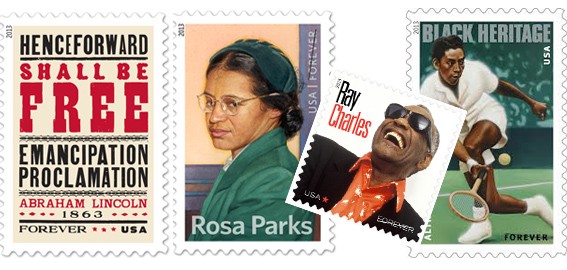
Ray Charles is one of several that inaugurates the Music Icons series. This extraordinary composer, singer, and pianist, blind since childhood, went beyond category, blending blues, gospel, country, jazz, and soul music in a unique and highly influential pop music style. His many hits included “I’ve Got a Woman,” “Georgia on My Mind,” and “I Can’t Stop Loving You.”
Althea Gibson, a pioneering tennis player who became the first Black Wimbledon champion. The tall, lean Gibson was fast, had a long reach, and relied on a booming serve and precise volleys. She blazed a trail for a future generation of Black players, such as Arthur Ashe and sisters Venus and Serena Williams.
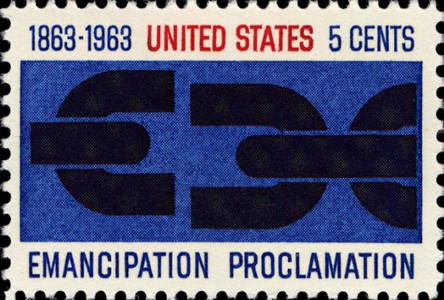
The 150th anniversary of the Emancipation Proclamation, which President Abraham Lincoln signed on January 1, 1863. Lincoln’s proclamation, issued nearly two years into the Civil War, declared that all slaves in the rebel states of the Confederacy “are, and henceforward shall be free.” In addition, the document authorized the recruitment of Black soldiers into the Union army. Their courage in battle and contributions to the Union’s ultimate victory greatly influenced the nation to adopt the 13th Amendment to the Constitution in 1865, outlawing slavery forever.
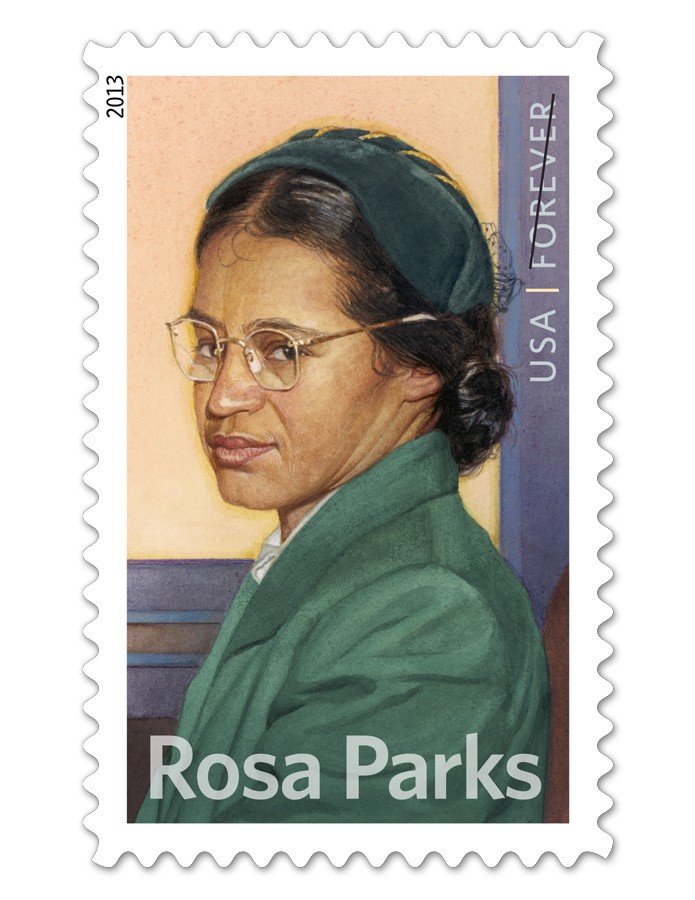
The Rosa Parks stamp honors the life of this extraordinary American activist who became an iconic figure in the civil rights movement. In 1955, in Montgomery, Alabama, Rosa Parks courageously refused to give up her seat on a municipal bus to a white man, defying the discriminatory laws of the time. The response to Parks’s arrest was a boycott of the Montgomery bus system that lasted for more than a year and became an international cause célèbre. In 1956, in a related case, the U.S. Supreme Court affirmed that segregating Montgomery buses was unconstitutional.
2012 USPS Black Stamps
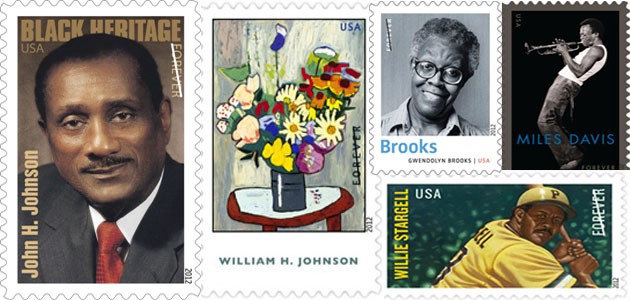
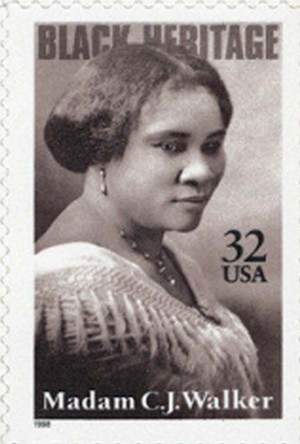
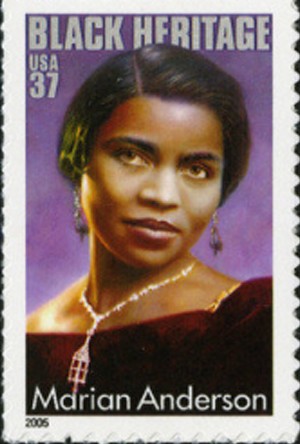
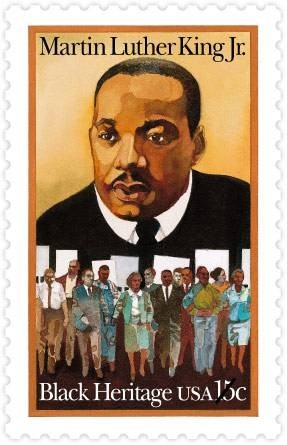
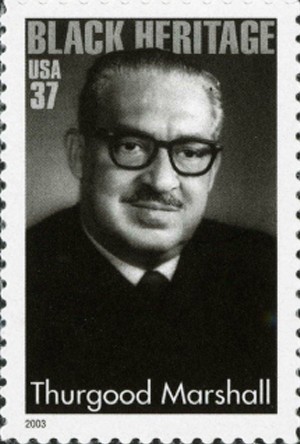
John H. Johnson – the founder of Johnson Publishing Company, which publishes Ebony and Jetmagazines, is the 35th honoree in the Black Heritage stamp series. The Postal Service has recognized the achievements of prominent African Americans through the Black Heritage series since 1978. Past honorees have included Dr. Martin Luther King Jr., Thurgood Marshall, Madam C.J. Walker, Paul Robeson, Jackie Robinson, Marian Anderson, Langston Hughes and Barbara Jordan.
William H. Johnson – The 11th issuance in the American Treasures series showcases a still life painting by Johnson. Flowers, an oil-on-plywood painting dated 1939–1940, depicts a vase of boldly rendered, brightly colored blooms on a small red table.
Twentieth-Century Poets – the U.S. Postal Service honors ten of our nation’s most admired poets: Elizabeth Bishop, Joseph Brodsky, Gwendolyn Brooks, E. E. Cummings, Robert Hayden, Denise Levertov, Sylvia Plath, Theodore Roethke, Wallace Stevens, and William Carlos Williams. The many awards won by this illustrious group include numerous Pulitzer Prizes, National Book Awards, and honorary degrees. Each stamp features a photograph of one of the ten poets. Text on the back of the stamp sheet includes an excerpt from one poem by each poet. The art director was Derry Noyes.
“Miles Davis was one of the great innovators in American jazz, but he was also extremely popular in France, where he performed frequently,” said U.S. Postal Service Deputy Postmaster General Ronald Stroman at the special dedication ceremony held at the Rubin Museum of Art — The Theater in New York.
Major League Baseball All-Stars – Willie Stargell stamps, the U.S Postal Service honors a player perhaps best remembered for powering the 1979 Pittsburgh Pirates, a multicultural team known as “The Family,” to a World Series title.
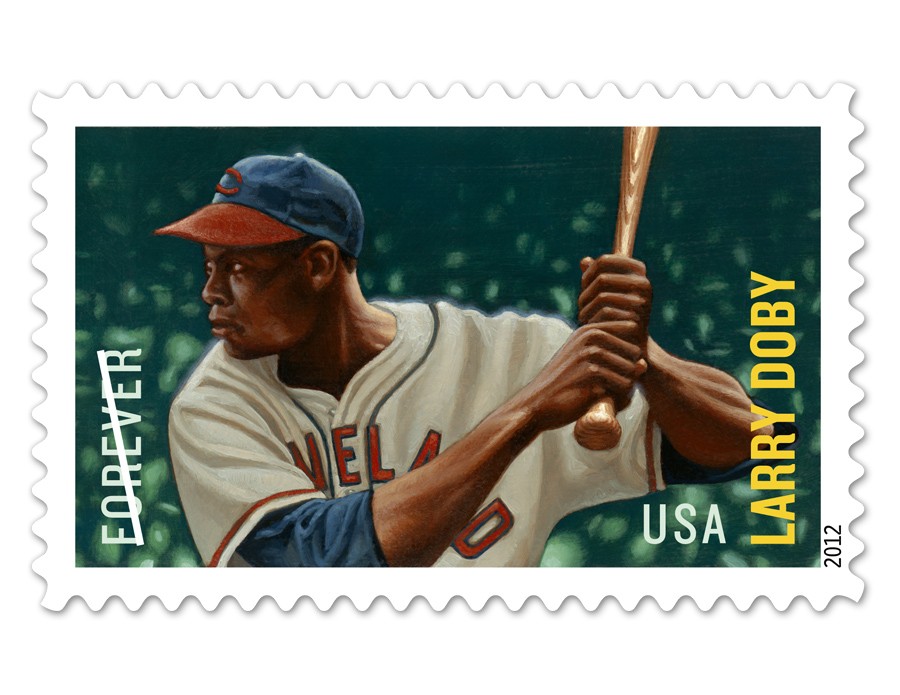
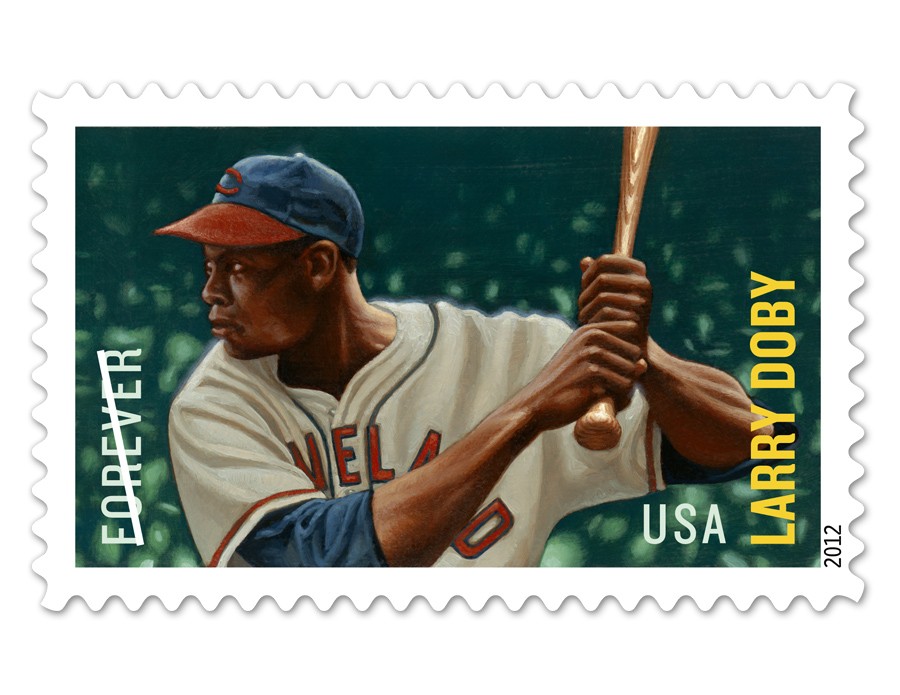
The Larry Doby stamps , the U.S. Postal Service honors a Hall of Famer who left an indelible impression on the game of baseball. A man of quiet dignity and courage who endured isolation, discrimination, and countless indignities, Larry Doby helped pave the way for racial progress in America’s national pastime.
2011 USPS Black Stamps
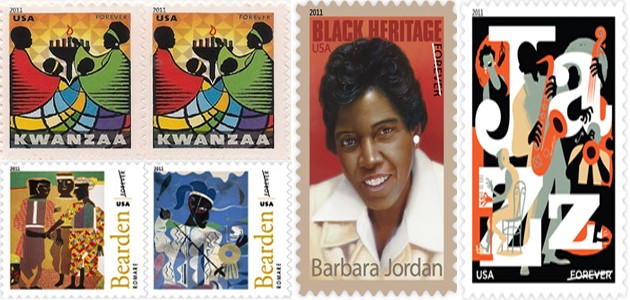
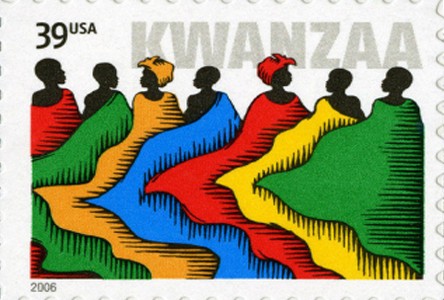
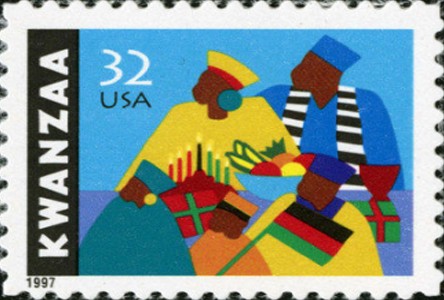
Kwanzaa – A non-religious holiday that takes place over seven days beginning each year on December 26 and ending January 1. Kwanzaa draws on African traditions and takes its name from the phrase for “first fruits” in Swahili, a widely spoken African language. Stamp artist Daniel Minter created a festive and highly symbolic design to illustrate a Kwanzaa holiday celebration.
Romare Bearden – He was one of the 20th century’s most distinguished American artists. Bearden is celebrated for his groundbreaking approach to collage along with his work in watercolors, oils, and other media. His art has also been praised for depicting the Black experience in its full dimensions and is in the permanent collections of major museums across the nation. Art director Derry Noyes chose a different work by Bearden for each of four stamp designs. Bearden’s works included as a part of the USPS stamp sheet are:
- Conjunction – A collage of various fabrics with crayon and charcoal on canvas, is a large work showing a Southern social scene, reflecting Bearden’s recollections of his early childhood in Mecklenburg County, North Carolina. The work celebrates the human activity of connecting through touch and conversation, and pays homage to the Southern quilt-making tradition suggested by the fabrics of the women’s brightly patterned dresses.
- Odysseus: Poseidon, The Sea God—Enemy of Odysseus (1977) – A collage of various papers with foil, paint, ink, and graphite on fiberboard, is one of many images by Bearden based on literary sources. Poseidon was the archenemy of Odysseus in Homer’s epic poem, The Odyssey; his image here combines mythic qualities with multicultural crosscurrents to suggest a larger narrative revealing a deep exploration of the human condition.
- Prevalence of Ritual: Conjur Woman – A collage of various papers with foil, ink, and graphite on cardboard, is one of a series of important collages from 1964. The power and dignity of the black woman was a central theme in Bearden’s art, and the spiritual and mysterious “conjur” woman was a recurring subject. Bearden’s repeated use and reinvention of motifs finds a parallel in the theme and variation of jazz music, which was an important influence on the artist.
- Falling Star – A collage of various papers with paint, ink, and graphite on fiberboard. This image juxtaposes the ordinary, a domestic interior, with the marvelous, as seen through its windows. The falling star is a metaphor with a variety of references in art, literature, and music, and Bearden embraces these multiple meanings for the enrichment they provide to his own art. The process of layering these meanings serves as a metaphor for human experience.
Barbara Jordan – She was one of the most respected and influential American politicians of the 20th century. The portrait featured on the stamp is an oil painting by award-winning artist Albert Slark of Ajax, Ontario, Canada. Slark based his portrait on an undated black-and-white photograph of Jordan.
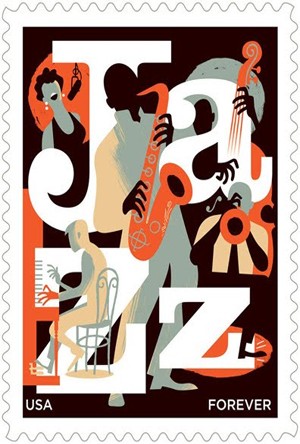
Jazz Appreciation – America’s musical gift to the world and to the musicians who play it on festival stages as well as in studios, clubs, and concert halls. Art director Howard Paine designed the stamp to showcase the work of Paul Rogers, an artist living in Pasadena, CA. In creating the art for the stamp, originally using ink on paper and then finishing his work digitally, Rogers explored the way images could become a visual equivalent of jazz music. He was inspired by the cover art from vintage jazz record albums—work that captured the music’s improvisational quality while built on a clear understanding of its underlying structure.
2009 USPS Black Stamps
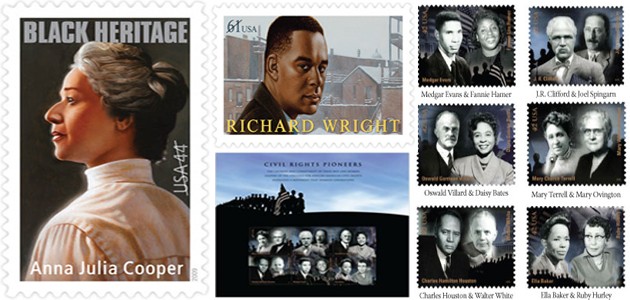
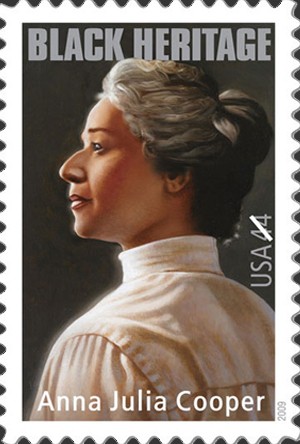
Anna Julia Cooper – She was an educator, scholar, feminist, and activist who gave voice to the Black community during the 19th and 20th centuries, from the end of slavery to the beginning of the Civil Rights Movement. The stamp features a portrait of Cooper created by Kadir Nelson, who based his painting on an undated photograph. Page 26 and 27 of every new United States passport contains this quote from Cooper:
“The cause of freedom is not the cause of a race or a sect, a party or a class – it is the cause of humankind, the very birthright of humanity.”
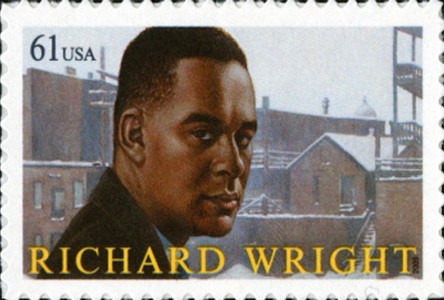
Richard Wright – He is best remembered for his controversial 1940 novel, Native Son, and his 1945 autobiography, Black Boy. Wright drew on a wide range of literary traditions, including protest writing and detective fiction, to craft unflinching portrayals of racism in American society. The stamp artwork by Kadir Nelson features a portrait of Richard Wright in front of snow-swept tenements on the South Side of Chicago, a scene that recalls the setting of Native Son. Nelson’s portrait of Wright was based on a circa 1945 photograph.
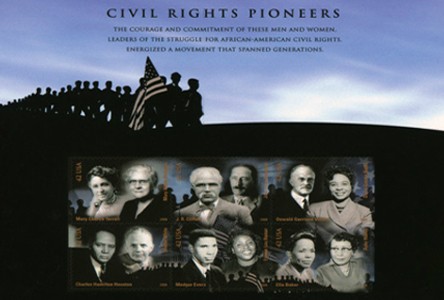
Civil Rights Pioneers – Honors 12 leaders of the struggle for Black civil rights. These visionary men and women energized a movement that spanned generations.
- The portrait of Mary Church Terrell, from the collection of the Library of Congress, was made between 1880 and 1900
- The photograph of Mary White Ovington was taken between 1930 and 1940. It is part of the archival collection from the National Association for the Advancement of Colored People (NAACP) at the Library of Congress.
- The image of J. R. Clifford is a detail from a photograph of unknown date from the University of Massachusetts Library Special Collections.
- The portrait of Joel Elias Spingarn is dated in the 1920s and comes from the records of the National Association for the Advancement of Colored People (NAACP) at the Library of Congress.
- The portrait of Oswald Garrison Villard is undated and comes from the records of the National Association for the Advancement of Colored People (NAACP) at the Library of Congress.
- The photograph of Daisy Gatson Bates is dated 1957 and is from the New York World-Telegram & Sun Newspaper Photograph Collection at the Library of Congress.
- The portrait of Charles Hamilton Houston is a photograph from the Washington Press dated November 22, 1939. It was obtained from the Library of Congress.
- The portrait of Walter White, dated around 1950, is from the records of the National Association for the Advancement of Colored People (NAACP) at the Library of Congress.
- The photograph of Medgar Evers is from the Library of Congress.
- The portrait of Fannie Lou Hamer is dated August 24, 1964.
- The portrait of Ella Baker is dated between 1943-46 and is from records of the National Association for the Advancement of Colored People (NAACP) at the Library of Congress
- The photograph of Ruby Hurley is a newspaper photo from 1963.
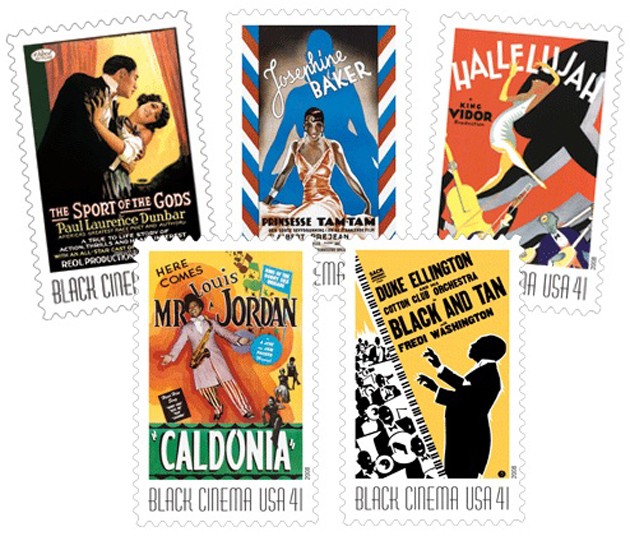
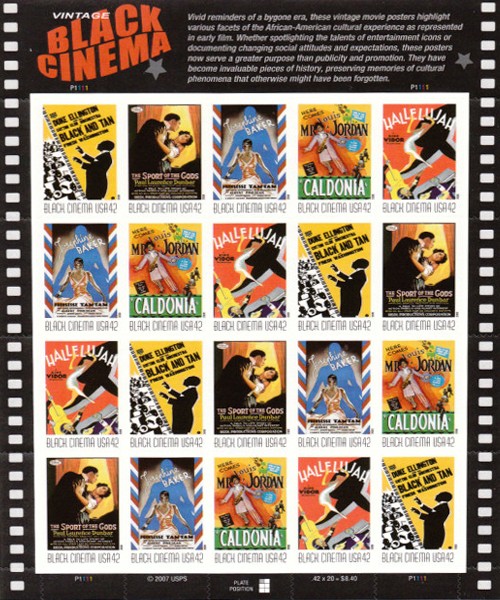
Vintage Black Cinema Posters (2008) – These stamps are “vivid reminders of a bygone era, these vintage movie posters highlight various facets of the Black cultural experience as represented in early film.” The featured films are “Black and tan”, “The Sport of the Gods,” “Prinsesse Tam-Tam,” “Caldonia,” and “Hallelujah.”
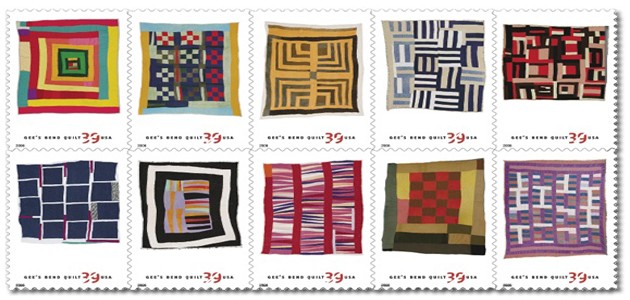
Quilts of Gee’s Bend (2006) – The rich quilting legacy of four generations of Black women in rural Alabama is celebrated in the Quilts of Gee’s Bend commemorative postage stamps. These stamps are sixth in the American Treasures Series, and feature the ingenuity and improvisational style of the Gee’s Bend quilters.
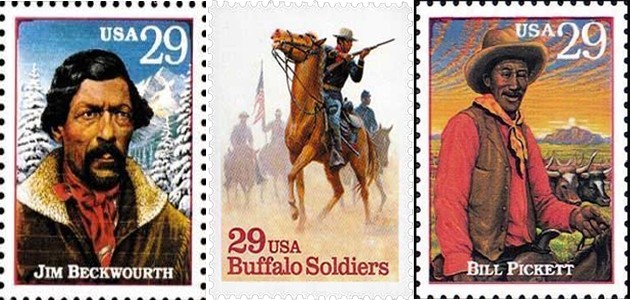
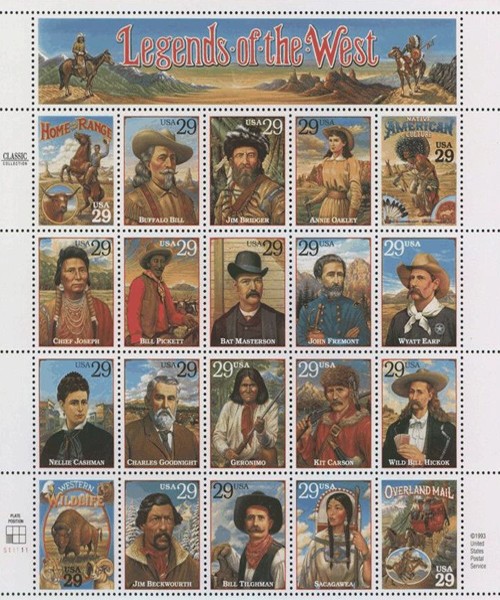
Jim Beckwourth (1994) – He was a Black pioneer, mountain man, fur trader, and scout, Jim Beckwourth was instrumental in opening the land west of the Sierra Nevada to settlers after the discovery of gold there in 1848. Beckwourth Pass was one of four main routes over the Sierra Nevada and later served as a pathway for railroads and highways. This stamp was designed by Mark Hess.
Buffalo Soldiers (1994) – For more than a hundred years, the role of the Buffalo Soldiers–the U.S. Army’s African American regiment–has been virtually invisible in historical accounts of the period. Although Blacks have fought in American conflicts since before the Revolutionary War, the Buffalo Soldier regiments were the first authorized to serve in the army during peacetime. In 1866, after the Civil War, Congress authorized the creation of six all-black regiments–two cavalry and four infantry. The Buffalo Soldiers often received inferior uniforms, military equipment, and horses, and they routinely confronted extreme discrimination. They could not stay in many of the towns they guarded and were not allowed in the parade field at the same time as the other troops. The Ninth Cavalry was established at Greenville, Louisiana, and the Tenth Cavalry at Fort Leavenworth, Kansas. Infantry regiments initially designated as the Thirty-eighth, Thirty-ninth, Fortieth, and Forty-first were merged in 1869 into the Twenty-fourth and Twenty-fifth Infantries. These former slaves, veterans of the Civil War, and black freemen distinguished themselves for the next several decades and became some of the most decorated U.S. military regiments of all time. Eighteen black soldiers received the Medal of Honor, and the units had the lowest desertion rate of any army unit from 1867 to 1898. Although there are many theories about how the Buffalo Soldiers won their name, the most enduring suggests that it was given to them by Native Americans because of their bravery and courage on the battlefield. The Buffalo Soldiers accepted the name as a compliment, and the buffalo symbol was included on the regimental crest of the Tenth Cavalry. In addition to fighting in the Indian Wars and the Spanish-American War, Buffalo Soldiers also participated in several other military campaigns, including those during the Philippine insurrection, the Mexican expedition, the two world wars, and the Korean War. They rescued Teddy Roosevelt and the Rough Riders in the Spanish-American War and participated in the pursuit of Pancho Villa in Mexico. This stamp was designed by Mort Künstler.
Bill Pickett (1994) – Born near Taylor, Texas, Bill Pickett is best known for his trademark practice of subduing cattle by biting down on their upper lips. Pickett learned this method after watching a friend’s bulldog bring down cattle by clamping down on the animals’ snouts until they dropped to the ground in pain. The famous Black cowboy turned “bulldogging” into a sport, appearing at rodeos across the country. This stamp was designed by Mark Hess.
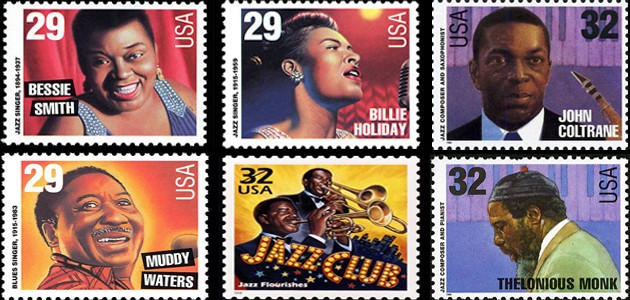
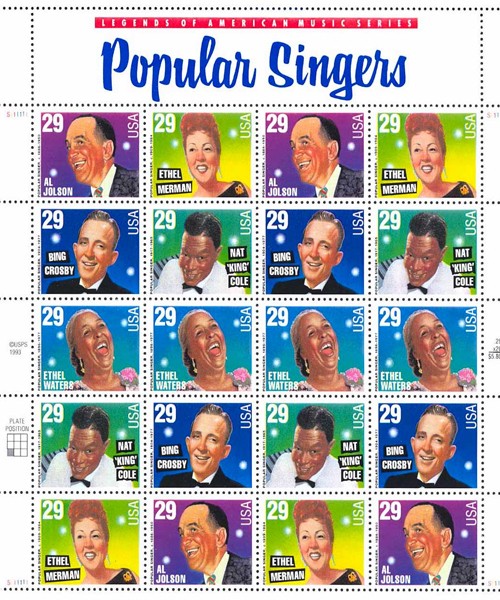
Legends of American Music: Jazz Singers Issue (1994):
- Bessie Smith – Known as the “Empress of the Blues,” she reigned over the blues world in the United States and Europe during the 1920s and 1930s. Born into poverty in Chattanooga, Tennessee, Smith began singing in public as a child for pennies. In her teens, she joined vaudeville tent shows and toured with Ma and Pa Rainey. By the early 1920s, Smith had become a blues star with a style all her own. In 1923, her first record, Downhearted Blues, sold an unprecedented 750,000 records. She recorded more than 100 blues and popular songs and paved the way for future jazz musicians and blues singers. This stamp was designed by Howard Koslow.
- Muddy Waters – He was a great American blues musician. He is “the Father of Chicago blues”.”Muddy was a master of just the right notes. It was profound guitar playing, deep and simple. . . . more country blues transposed to the electric guitar, the kind of playing that enhanced the lyrics, gave profundity to the words themselves. Muddy Waters received a large number of awards for his work, among them six Grammy Awards. His songs are included in the Grammy Hall of Fame and the Rock and Roll Hall of Fame. Muddy Waters was inducted into the Blues Foundation Hall of Fame in 1980, the Rock and Roll Hall of Fame in 1987 and in 1992 he received the Grammy Lifetime Achievement Award. This stamp was designed by Julian Allen.
- Billie Holiday – She was one of the most influential jazz singers in history. Born Eleanora Fagan–she had an art for graceful phrasing and a rough, distinctive voice that allowed her to interpret jazz songs about heartbreak, despair, and loneliness with a buoyancy that rose above the heavy sentimentality of the words. During her career, she recorded with top jazz artists, including Count Basie, Artie Shaw, and Teddy Wilson. In the late 1930s, Billie’s many solo hits, such as God Bless the Child and Strange Fruit, became standard tunes for many generations of singers to follow. This stamp was designed by Howard Koslow.
Jazz Flourishes (1998) – This stamp was a part of the Celebrate The Century Series representing the 1920’s. With a beginning in the early 20th century in African American communities of the U.S. South, Jazz brought together music from both Africa and Europe. The word “jazz” itself was first used to reference music in Chicago about 1915. From its beginning, Jazz incorporated regional styles such as New Orleans’ Dixieland, the big bands of pre-World War II, and Latin Jazz. Because of its variations, which now include international, jazz is very hard to define. This stamp was designed by Carl Herrman and illustrated by Davis Meltzer.
American Music Series: Jazz Musicians Issue (1995) – Ten stamps, designed by Dean Mitchell and Thomas Blackshear, featuring pianists Eubie Blake, Jelly Roll Morton, James P. Johnson, Erroll Garner, and Thelonious Monk; saxophonists Coleman Hawkins, Charlie Parker, and John Coltrane; cornetist Louis Armstrong; and bassist Charles Mingus. The Jazz Musicians stamps were issued as the last addition of 1995 to the Postal Service’s Legends of American Music Stamp series.
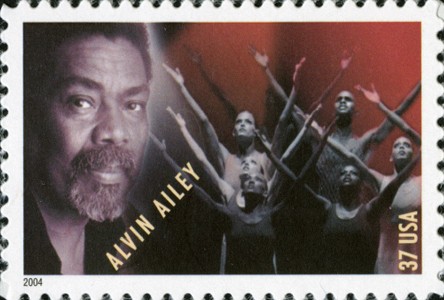
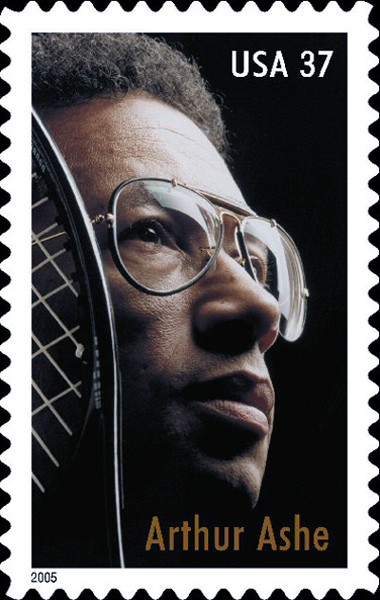
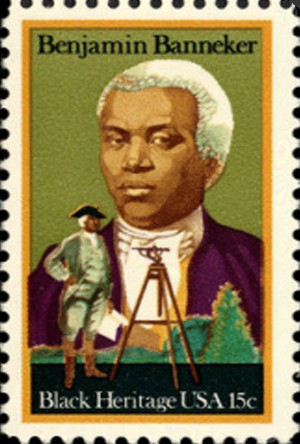
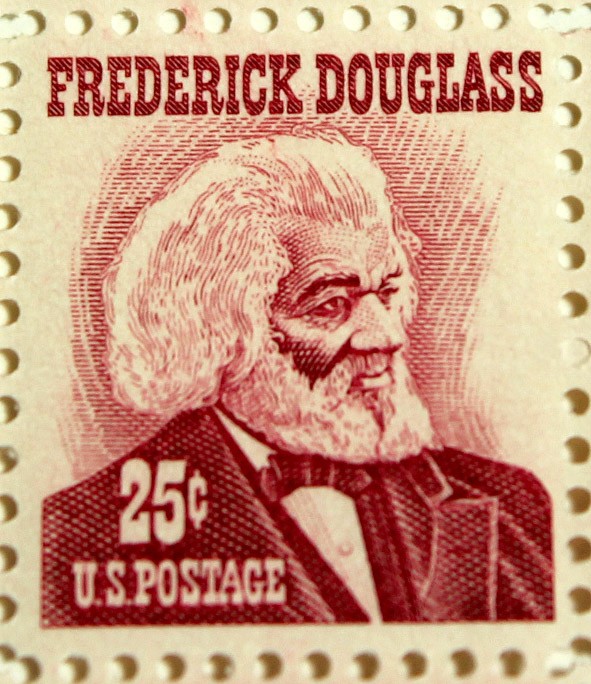
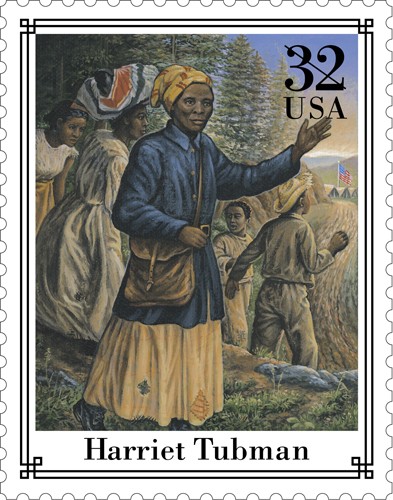
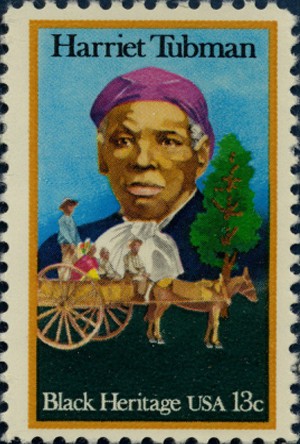
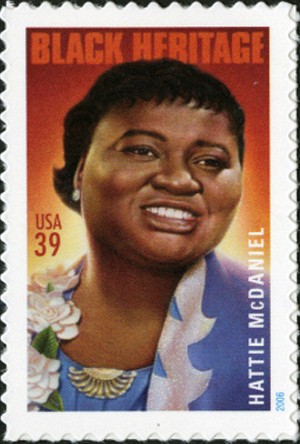
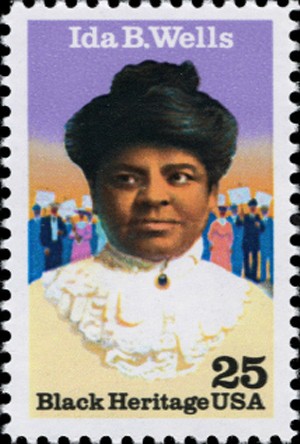
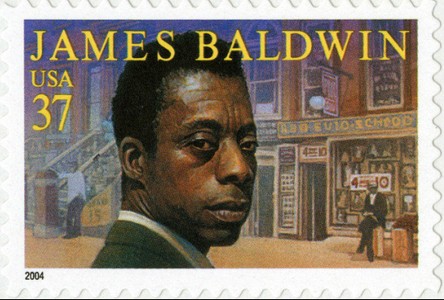
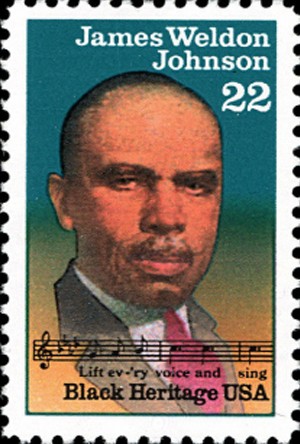
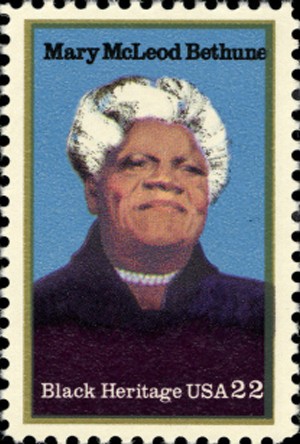
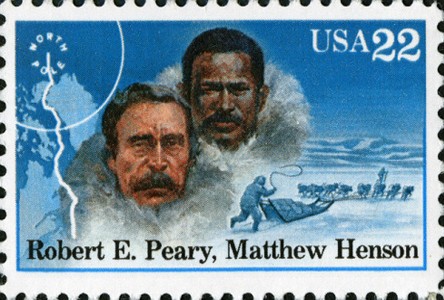
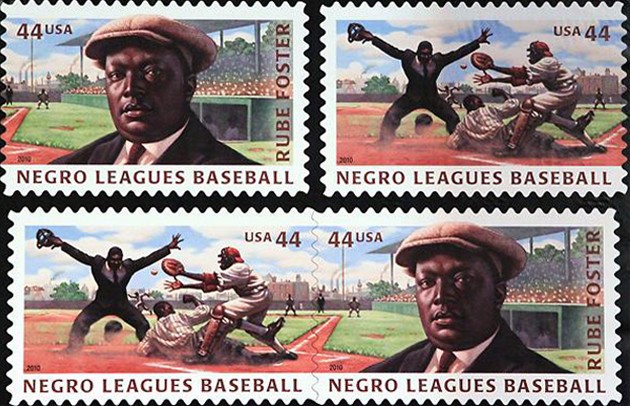
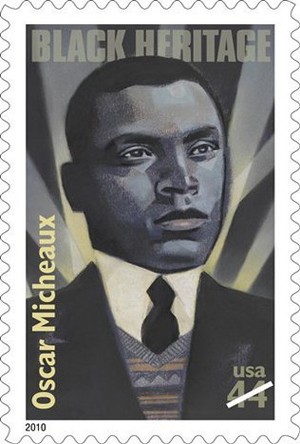
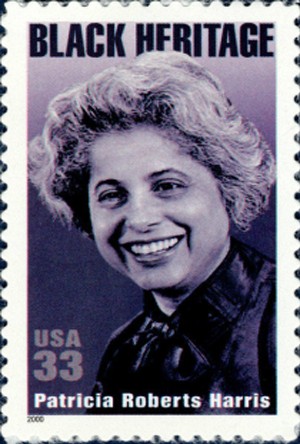
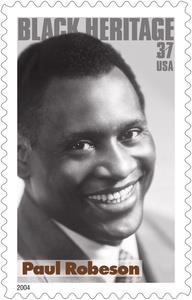
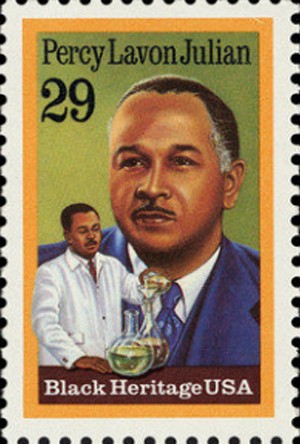
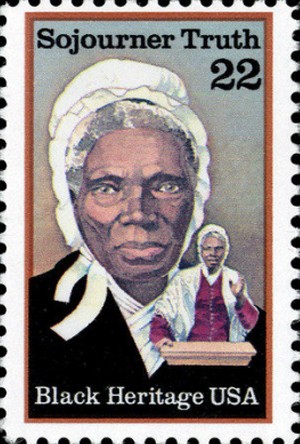
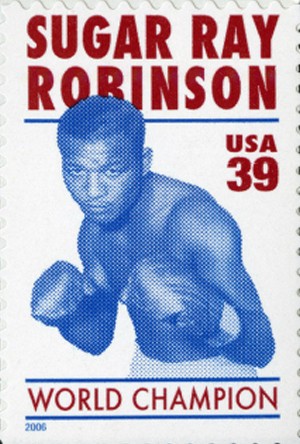
Below are images of The Museum of UnCut Funk stamp collection along with their dates of issue.
-

- Jimi Hendrix Stamp
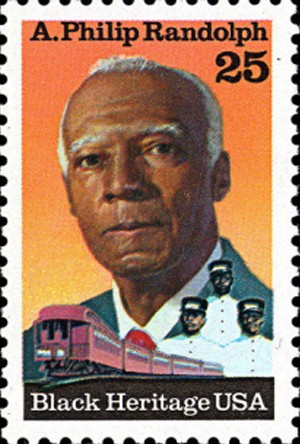











-
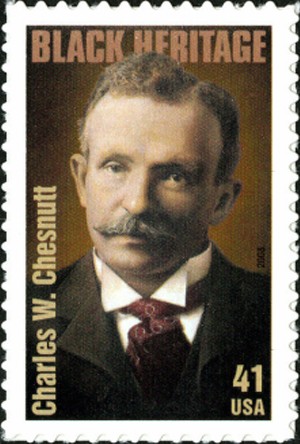
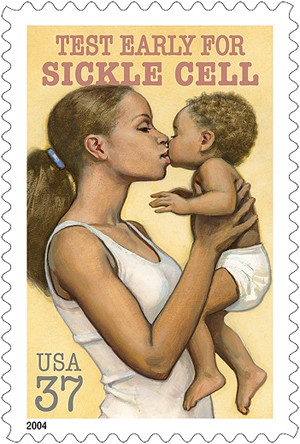
- Issued in 2004




3 Comments
I have James Brown black and brown stamps. Are they of any value?
whoa, there was a Trane, Monk AND Malcolm X stamp? I guess I need to mail more things!
what is the process for getting these stamps?