
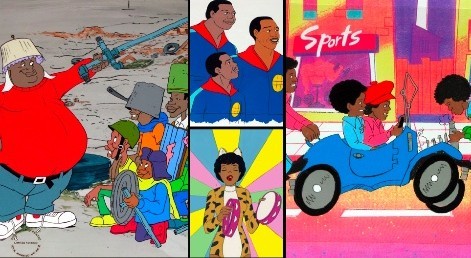
The Museum Of UnCut Funk owns one of the world’s most unique and extensive collections of Original Animation Production Cels and Drawings from 1970‘s Saturday morning cartoons that feature Black characters.
Black Animation Collection Historical Overview
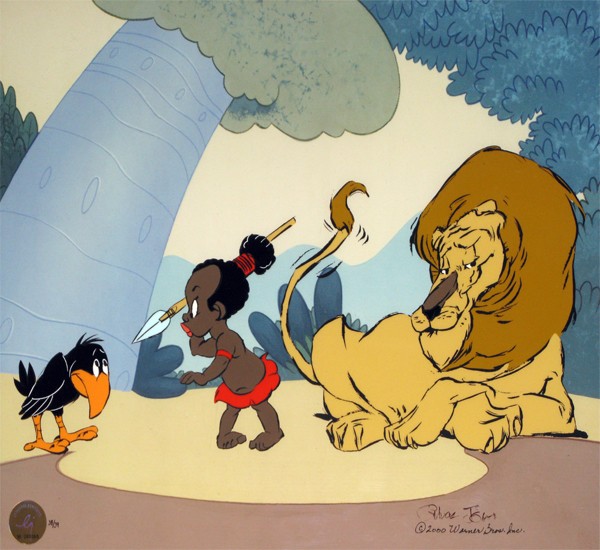
Picking up where comic strips left off in the early 20th century, theatrical cartoon film shorts portrayed Blacks in a racially derogatory and stereotypical manner as cannibals, coons, mammies and Stepin Fetchit characters with exaggerated features and ignorant dialect. From 1900 to 1960, over 600 cartoon shorts featuring Black characters were produced by some of Hollywood’s greatest White animators and biggest film studios. Several famous Black jazz musicians such as Cab Calloway, Fats Waller and Louis Armstrong were also portrayed as stereotypical caricatures.
In the 1950’s, several of these racist cartoons were shown on television. As a result of the civil rights movement, in the 1960’s the racial content of many of these cartoons was edited out or the cartoons were pulled from television altogether. Notably, The Censored Eleven, a group of Looney Tunes and Merrie Melodies cartoons were banned from broadcast because they were deemed to be too offensive for contemporary audiences. In the case of The Censored Eleven, racist themes were so essential and so completely pervasive in the cartoons that no amount of selective editing could ever make them acceptable for distribution. After sixty years of negative cartoon images, it wasn’t until the late 1960’s / early 1970’s that Saturday Morning television cartoons started to feature image affirming Black characters with a modern look and positive story lines that delivered culturally relevant messages.
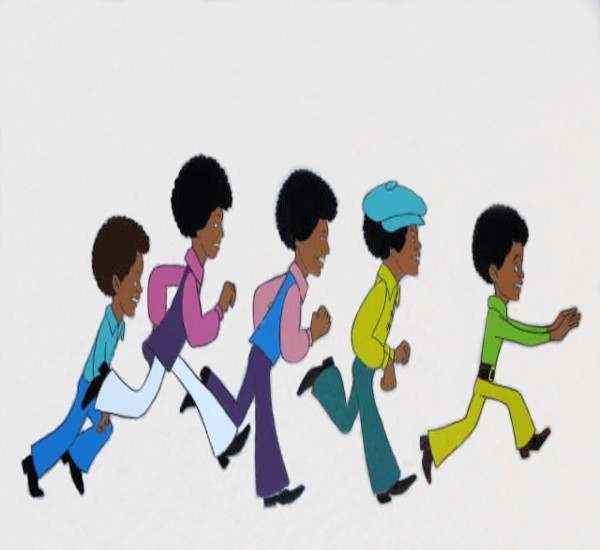
This 1970‘s revolution in how Black animation characters were developed and portrayed in Hollywood represents historic change and the ultimate manifestation of Dr. Martin Luther King’s dream. For the first time characters of all races lived, played and worked together as equals. For the first time Black children could see cartoon characters that looked, talked and acted more realistically like them, such as Fat Albert and the Cosby Kids, as well as more positive depictions of their favorite Black music icons and sports heroes like The Jackson 5ive featuring Michael Jackson and his brothers, The Harlem Globetrotters and I Am The Greatest featuring Muhammad Ali.
For the first time, Black children had cartoon role models who taught positive messages like family values, the importance of education, friendship, civic duty, personal responsibility and sportsmanship. For the first time cartoons like Josie and The Pussy Cats, Star Trek and Kid Power featured strong Black female characters and multicultural casts. These cartoons not only changed the way that Black kids saw themselves but the way that white kids saw them as well.
Also, for the first time, Black people like Bill Cosby and Berry Gordy led development of animated television programming featuring Black characters, from concept through to art creation and production.
During this period, 25 Saturday morning cartoon series, 1 primetime cartoon series, 1 weekday cartoon series, 2 after school cartoons and 16 cartoon specials were produced that included positive Black characters, 17 of which had a predominately Black cast.
Back in the 1970‘s everybody watched the same cartoons. Since then, many of these cartoons have re-aired on cable networks reaching new generations of children. Forty years later, the legacy of these revolutionary cartoons has eclipsed the stereotypical images that came before and have paved the way for a new generation of Black animation like The Proud Family, Little Bill, Static Shock, Fillmore and Doc McStuffins! Not surprisingly, forty years later, the Black Character Revolution generation is the first to produce and elect the first Black President of the United States.
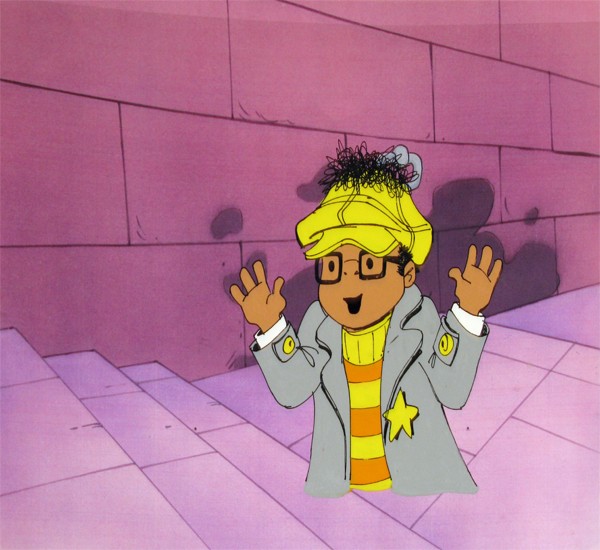
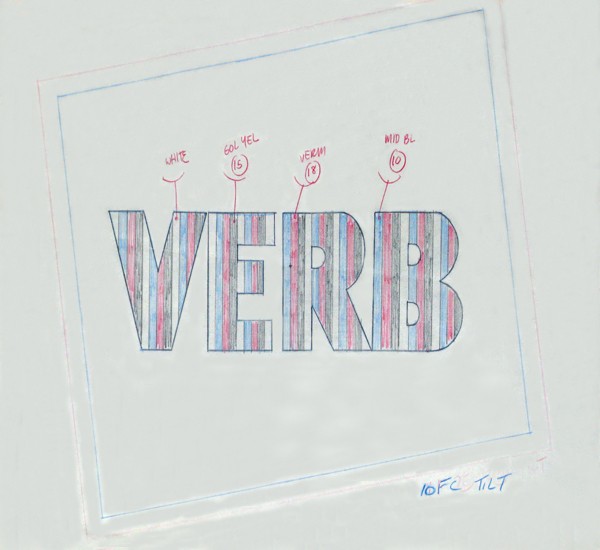
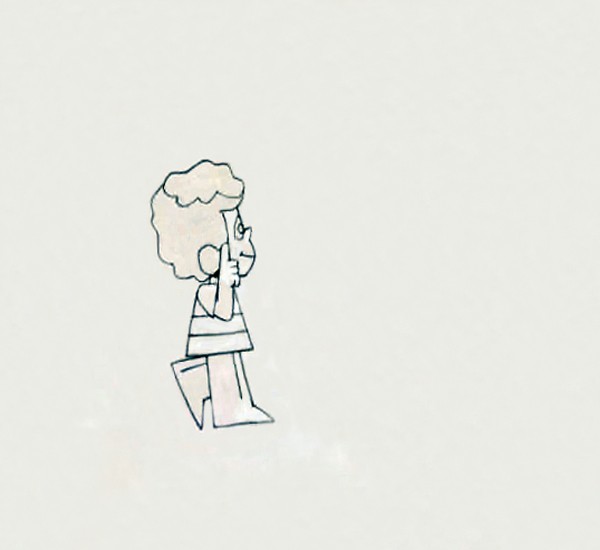
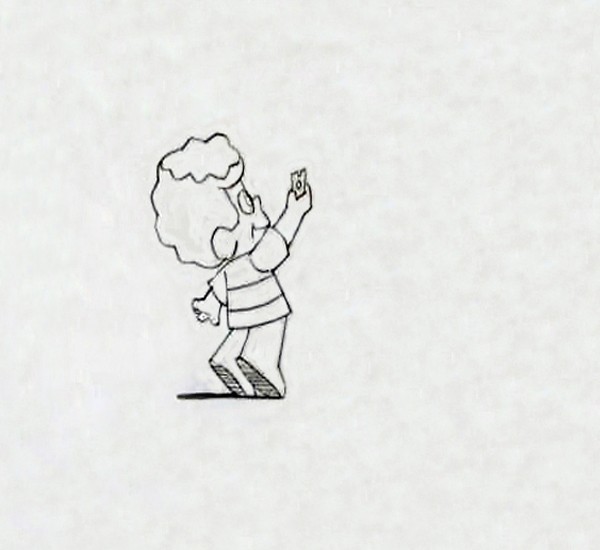
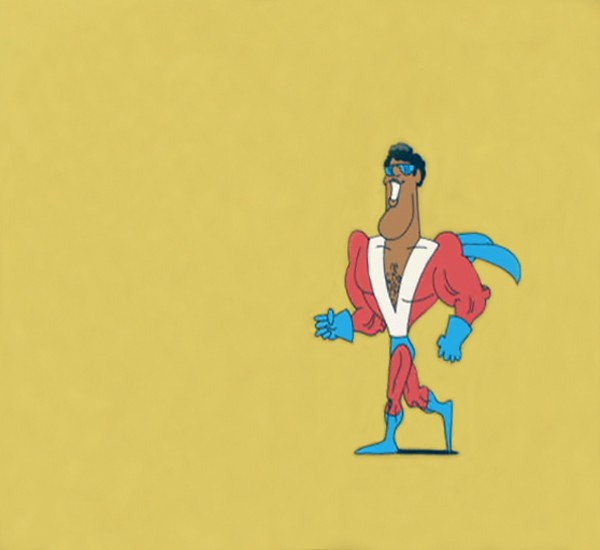
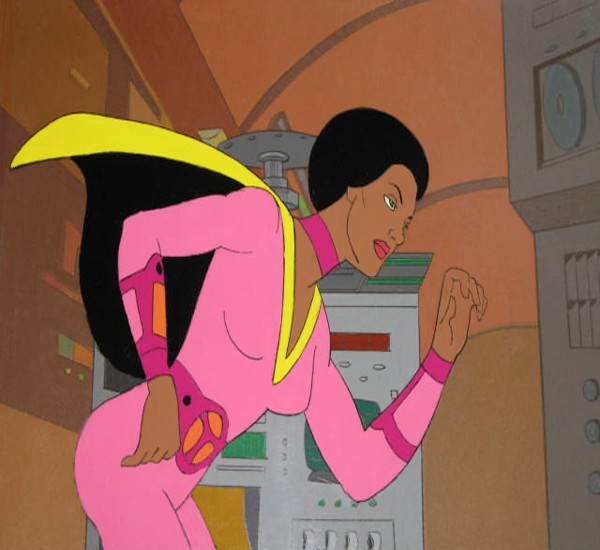
The Black Animation Collection features original production cels and drawings and limited edition cels from this turning point in cartoon history where Black and White animators created positive Black characters and Black stories for all to enjoy, including: Fat Albert And The Cosby Kids, The Jackson 5ive, The Harlem Globetrotters, Valerie – Josie and The Pussy Cats; Lt. Uhura – Star Trek Animated Series, Muhammad Ali – I Am The Greatest, Billy Jo Jive – Sesame Street, Verb: That’s What’s Happening – School House Rock and Franklin – Peanuts.
At one time, thousands of hand-painted cels were created and used under the camera to animate every TV and theatrical cartoon. Today’s animation is all computer generated, so hand painted cels represent a lost art form. As relatively little Black animation was produced in the 1970’s and beyond, original production artwork is scarce and rare. Although limited edition reprints of selected scenes from many cartoons and films have been produced, there are very few that have been created from Black animation.
Black Animation Collection Historical Firsts
The Black Animation Collection commemorates the 50th anniversaries of 1970’s Saturday morning cartoons that featured positive Black characters for the first time in television history and represents several historical firsts, such as:
- First Black Super Villain in a Saturday Morning cartoon series – Black Manta – Superman / Aquaman Hour Of Adventure (1967)
- First positive Black male character in a Saturday morning cartoon series – First positive Black male musician character in a Saturday morning cartoon series – Peter Jones – The Hardy Boys (1969)
- First positive Black cast cartoon / Black cast cartoon special to appear on television – First positive Black cast cartoon / Black cast cartoon special to be created from a comedy routine – Hey, Hey, Hey, It’s Fat Albert primetime special – Based upon Bill Cosby’s 1967 Buck, Buck comedy routine from his Revenge Album (1969)
- First positive Black male character in a primetime cartoon series – First positive Black athlete character in a primetime cartoon series – Freight Train – Where’s Huddles (1970)
- First positive Black cast Saturday morning cartoon series – First positive Black cast Saturday morning cartoon series featuring Black athletes – Harlem Globetrotters (1970)
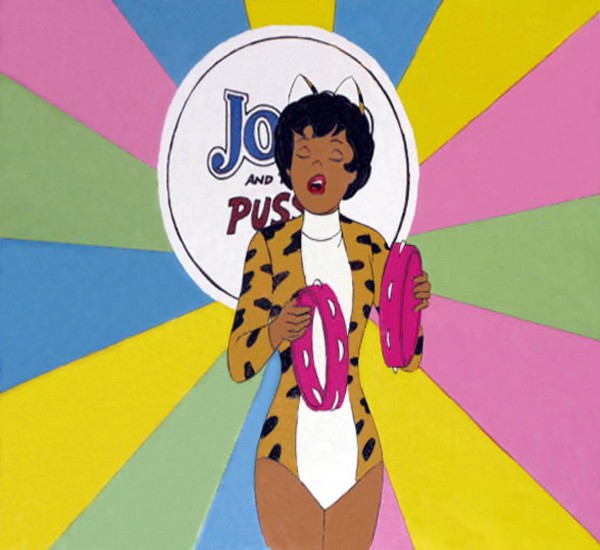
- First positive Black female character in a Saturday morning cartoon series – First positive Black female musician character in a Saturday morning cartoon series – Valerie Brown – Josie And The Pussy Cats (1970)
- First positive Black cast Saturday morning cartoon series featuring Black musicians – First television series produced by Motown – Second positive Black cast Saturday morning cartoon series – The Jackson 5ive (1971)
- Longest running positive Black cast Saturday morning cartoon series – Third positive Black cast Saturday morning cartoon series – Fat Albert And The Cosby Kids (1972-1985)
- First truly multicultural Saturday morning cartoon series – First positive Saturday morning cartoon series featuring Black characters to be created from a syndicated comic strip – Kid Power – Based upon Morrie Turner’s Wee Pals comic strip (1972)
- First Schoolhouse Rock episode to feature Black Characters – I Got Six (1973)
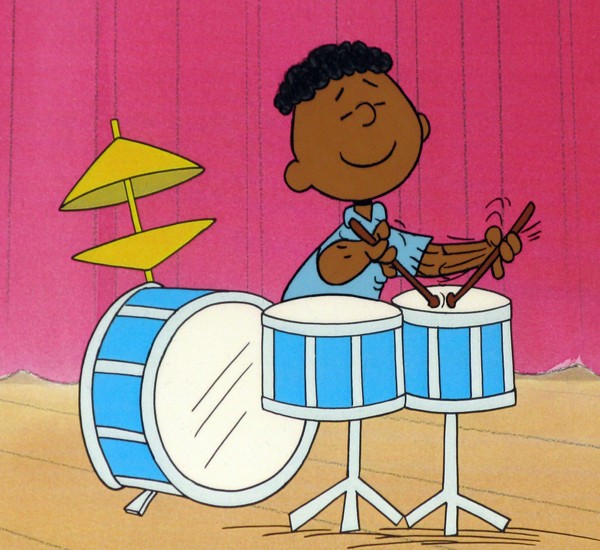
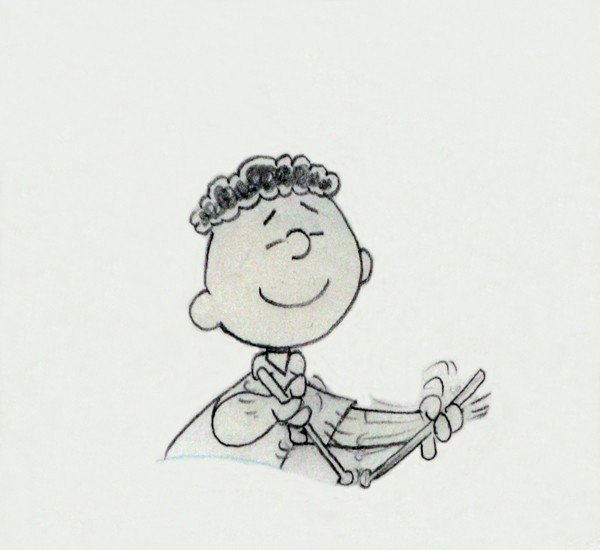
- First Black character to appear in the Peanuts comic strip (introduced July 31, 1968) -First Black character to appear in a Peanuts cartoon special – Franklin Armstrong – There’s No Time For Love Charlie Brown (1973)
- First positive Black character from a television series to appear as the same character in a Saturday morning cartoon series – Lt. Uhura – Star Trek (1973)
- First Black male superhero character in a cartoon – second Schoolhouse Rock episode to feature Black Characters – Verb (1974)
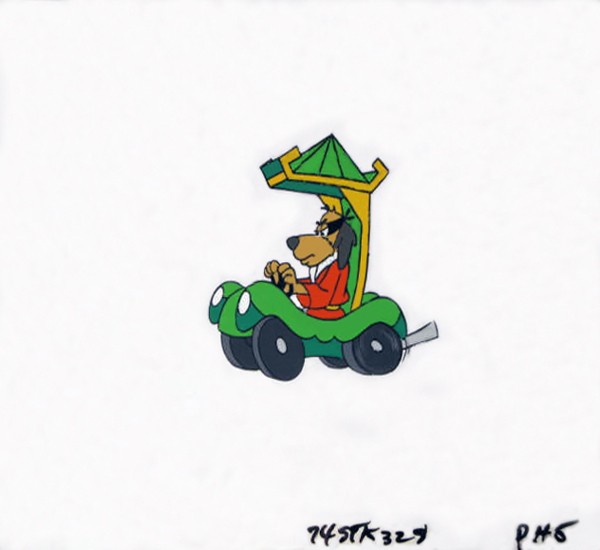
- First Black male superhero character in a Saturday morning cartoon series – Second Black male superhero character – Hong Kong Phooey (1974)
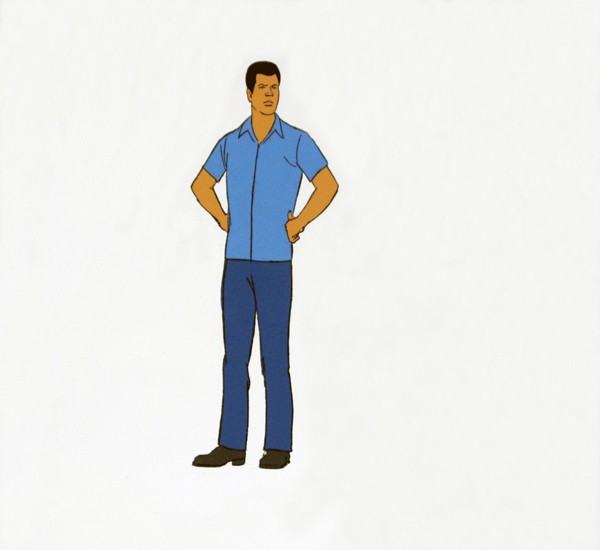
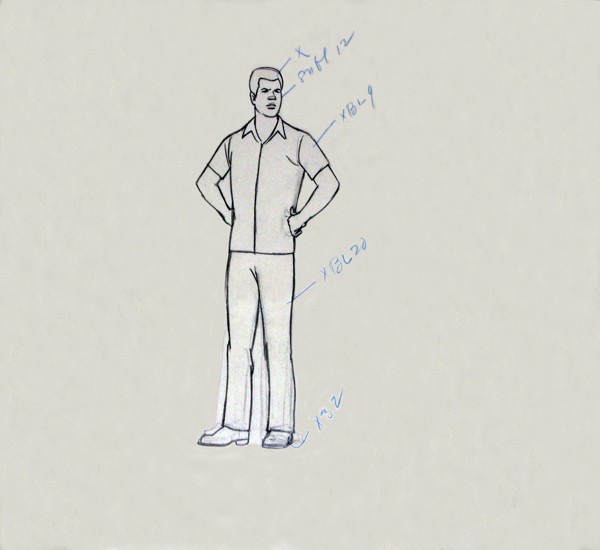
- First Black male character to appear in Archie comics as a member of the gang – First Black male character to appear as a member of the Archie’s gang in a Saturday morning cartoon series – Chuck Clayton – U.S. Of Archie (1974)
- First Black female superhero character in a Saturday morning cartoon series – Astrea – Space Sentinels (1977)
- First positive cartoon series featuring Black characters to be created from a series of children’s books – Billy Jo Jive – Based upon Ted and John Shearer’s Billy Jo Jive book series – Aired as segment during Sesame Street (1978)
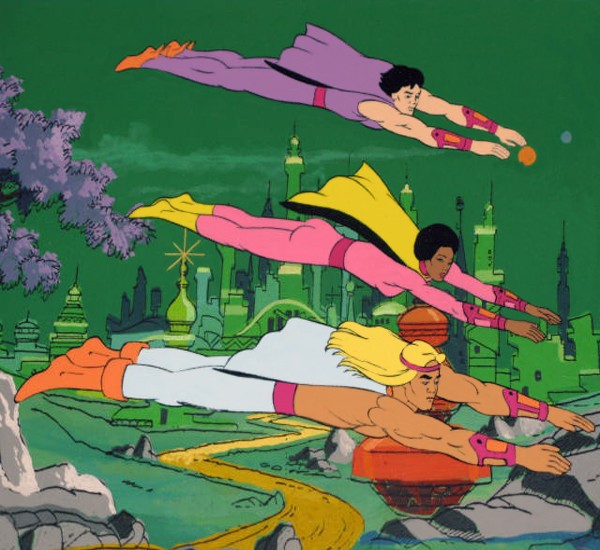
- First Black superhero duo to appear in a Saturday morning cartoon series – First Black Husband and Wife superhero duo to appear in a Saturday morning cartoon series – Micro Woman and Super Stretch – Aired as segment during Tarzan and the Super 7 (1979)
- First Black superhero team to appear in a Saturday morning cartoon series – Third Saturday morning cartoon series to feature The Harlem Globetrotters – The Super Globetrotters (1979)
- First time that Black people like Bill Cosby and Berry Gordy led the development of animated television programming featuring Black characters, from concept through to art creation and production
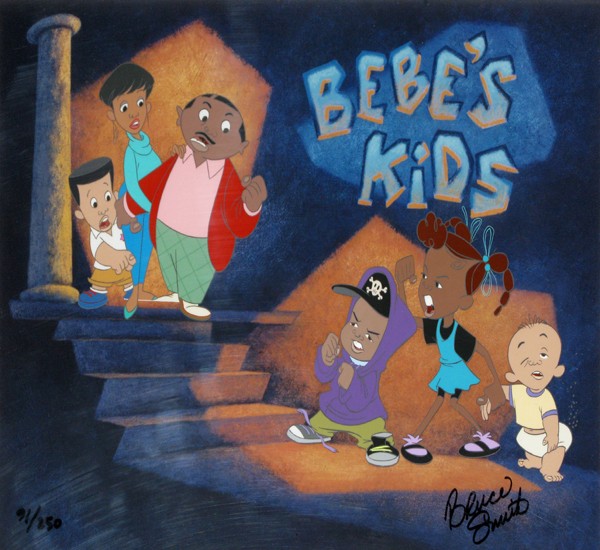
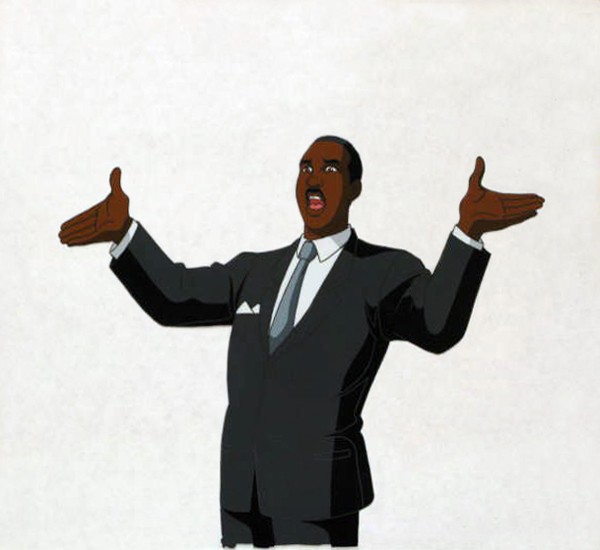
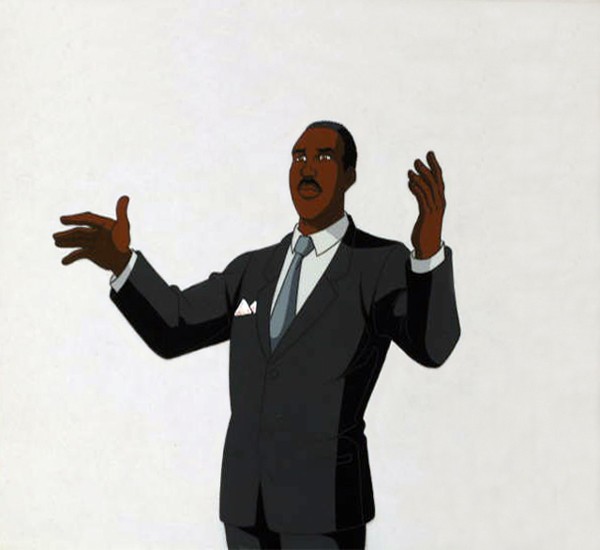
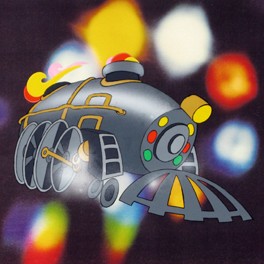
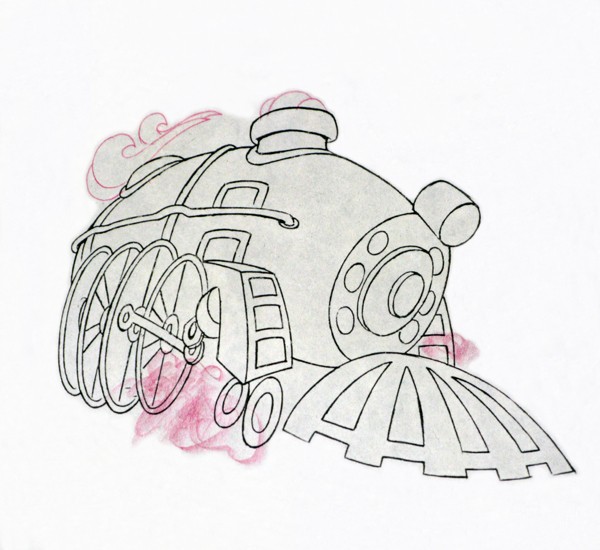
The Black Animation Collection also includes original artwork from 1970’s adult animated feature films such as Coonskin and Hey Good Lookin’, original and limited edition artwork from the 1992 animated feature film BeBe’s Kids, original artwork from the 1999 animated feature film Our Friend Martin, as well original artwork from the 1970’s opening animated train sequence to the dance television show Soul Train. Other pieces in the collection include racially stereotypical art from 1930’s and 1940’s cartoon shorts.
Here is an interview that Sista ToFunky gave to Collector’s Quest on the Black Animation Collection:
Black Cartoons / Black Cartoon Characters Are Turning 50!!!!
9/9/67
Black Manta – Superman / Aquaman Hour Of Adventure
9/6/69
Peter Jones – The Hardy Boys
7/1/70
Freight Train – Where’s Huddles
9/12/70
The Harlem Globetrotters
9/12/70
Valerie Brown – Josie And The Pussy Cats
9/11/71
The Jackson 5ive
9/9/72
Fat Albert and The Cosby Kids
9/9/72
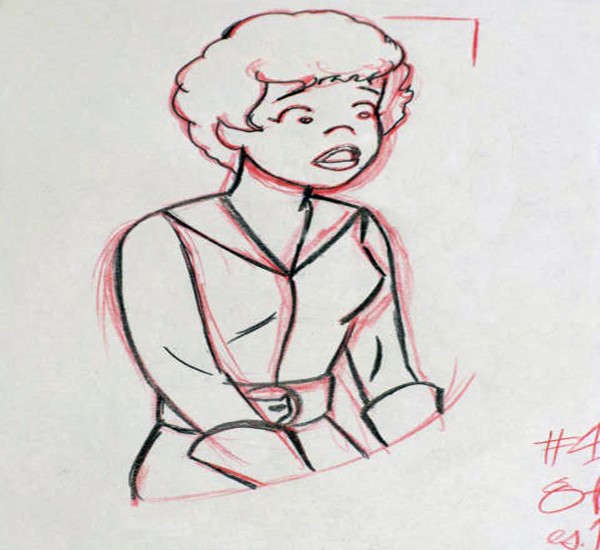
Ed, Mrs. Thomas – Sealab 2020
9/9/72
Valerie Brown – Josie And The Pussy Cats In Outer Space
9/16/72
Nipper, Randy, Diz and Sybil – Kid Power
1973
I Got Six – Schoolhouse Rock
3/11/73
Franklin Armstrong – Peanuts (First Cartoon Appearance)
9/8/73
Lt. Uhura – Star Trek
9/8/73
Franklin – Mission Magic!
1974
Verb – Schoolhouse Rock
9/7/74
Hong Kong Phooey
9/7/74
Chuck Clayton – U.S. Of Archie
9/10/77
I Am the Greatest: The Adventures of Muhammad Ali
9/10/77
Astrea – The Space Sentinels
9/10/77
Black Vulcan – All New Super Friends Hour
9/10/77
Dee Dee Sykes – Captain Caveman and The Teen Angles – Scooby’s Laff A Lympics (Scooby Doobies)
9/10/77
Chuck Clayton – The New Archie / Sabrina Hour
2/13/78
Go-Go Globetrotters
9/9/78
Black Vulcan – All New Super Friends Hour / Challenge Of The Super Friends
11/27/78
Billy Jo Jive – Sesame Street
9/1/79
The Brown Hornet / The New Fat Albert Show
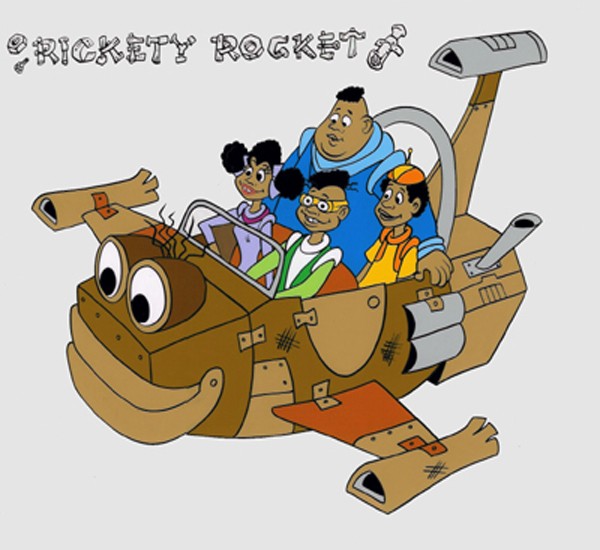
9/1/79
Rickety Rocket – The Plastic Man Comedy / Adventure – Show
9/9/79
Micro Woman / Super Stretch – Tarzan and the Super 7
9/22/79
The Super Globetrotters
9/22/79
Maxie – Casper And The Angels
Black Cartoon Specials Are Turning 50!!!!!
Fat Albert Specials
11/12/69
Hey, Hey, Hey It’s Fat Albert
10/24/77
Fat Albert Halloween Special
12/18/77
Fat Albert Christmas Special
4/3/82
Fat Albert Easter Special
Clerow Wilson Specials
1972
Clerow Wilson And The Miracle Of PS 14
1974
Clerow’s Great Escape
Harlem Globetrotters / The New Scooby Doo Movies
11/25/72
The Ghost From The Deep
12/22/72
The Lochness Mess
9/8/73
The Mystery Of Haunted Island
Franklin / Peanuts Specials
3/11/73
There’s No Time For Love Charlie Brown
11/20/73
A Charlie Brown Thanksgiving
1/28/75
Be My Valentine Charlie Brown
10/28/75
You’re A Good Sport Charlie Brown
3/16/76
It’s Arbor Day Charlie Brown
10/24/77
It’s Your First Kiss Charlie Brown
Maxie / Casper And The Angels Special
10/30/79
Casper’s Halloween Special
Selection Of Artwork From The Black Animation Collection
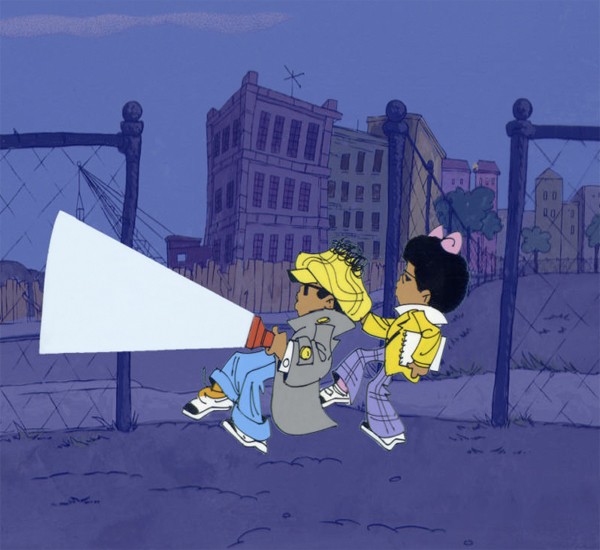
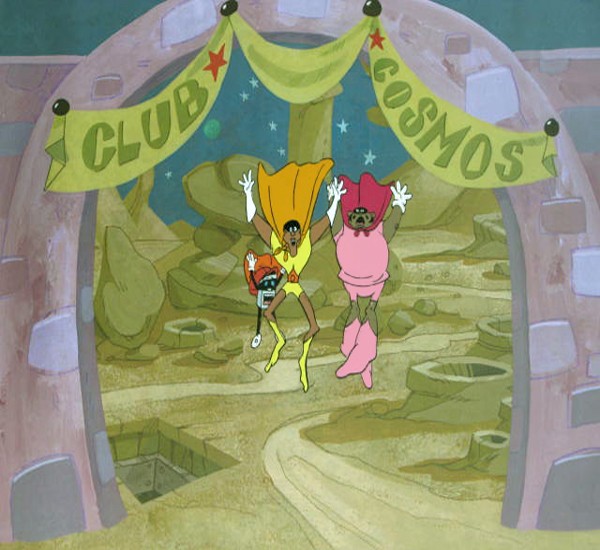
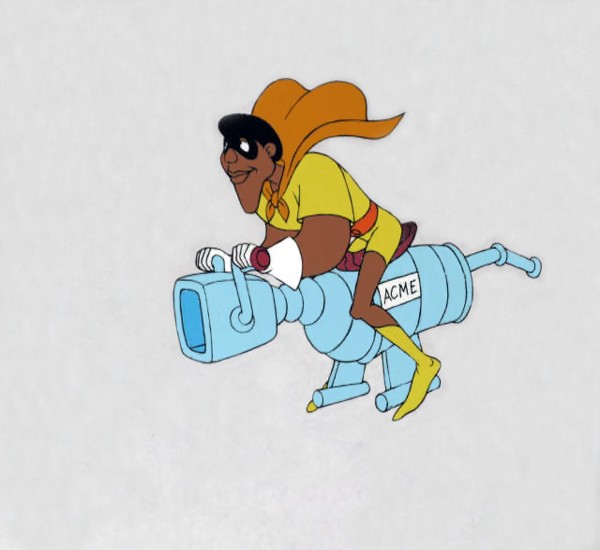
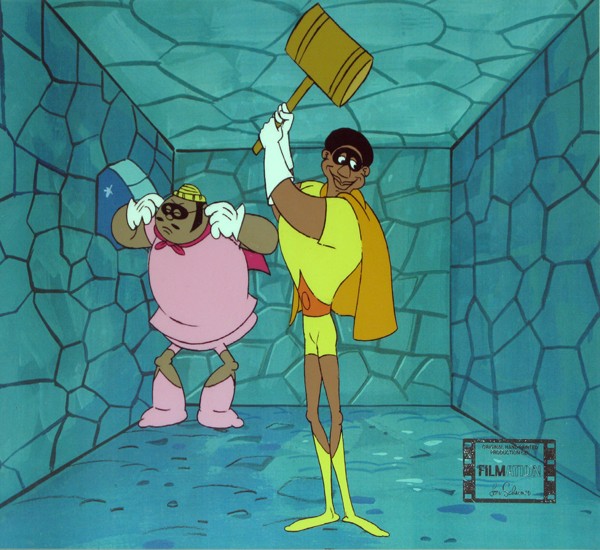

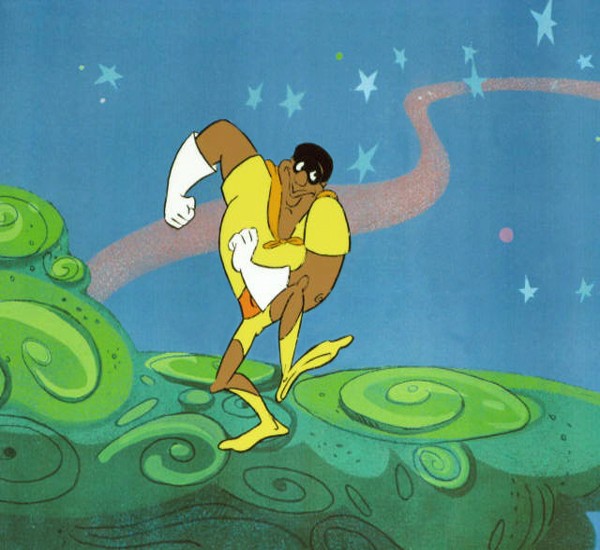
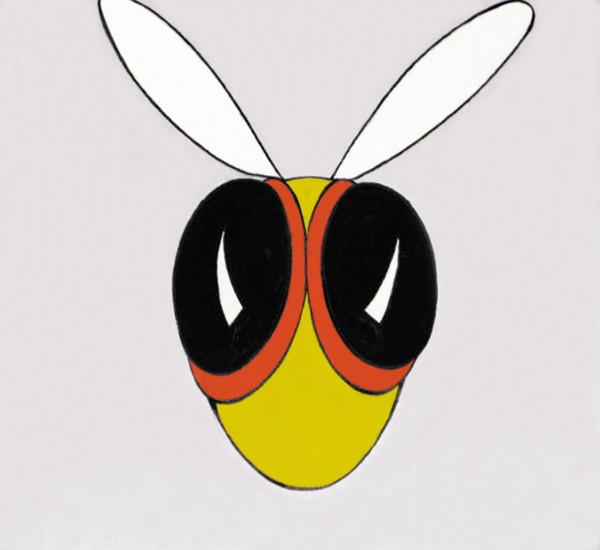
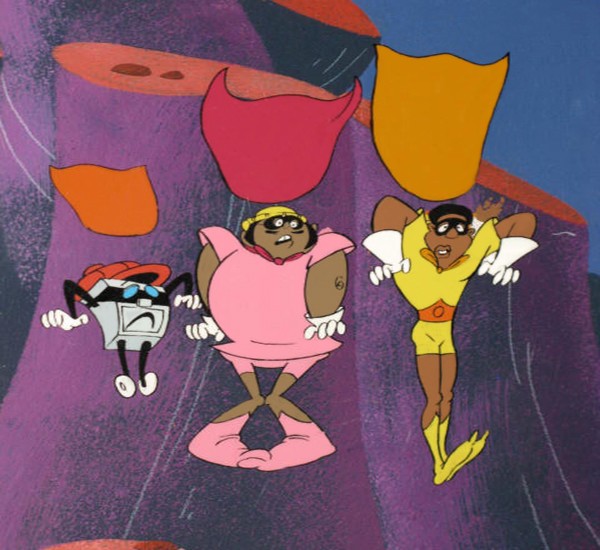
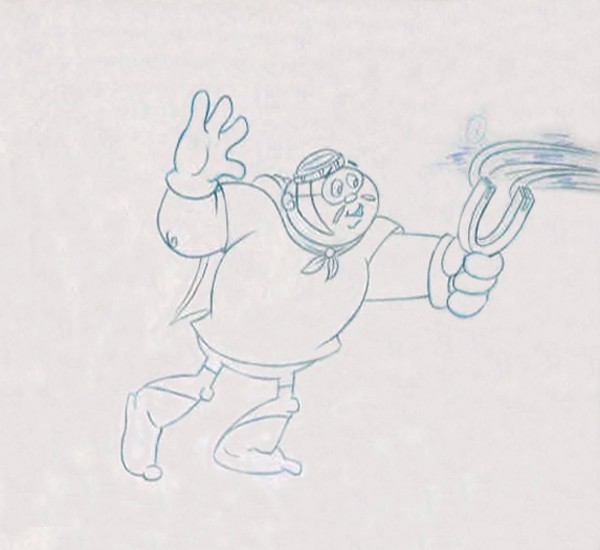
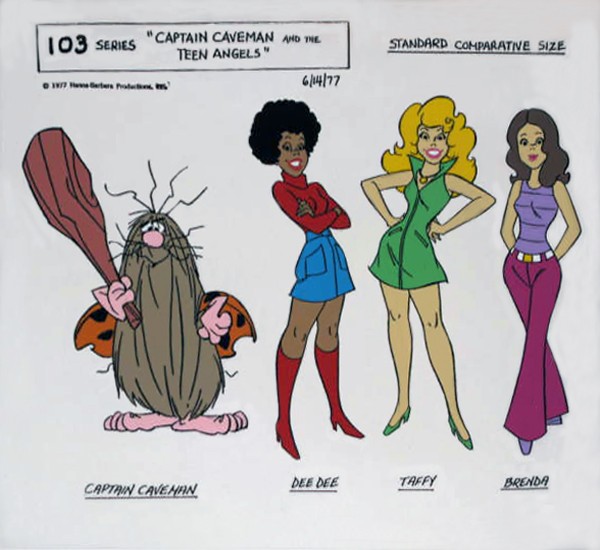
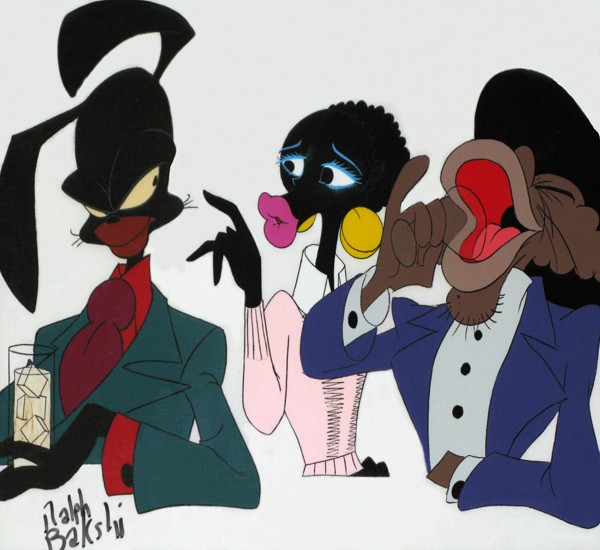
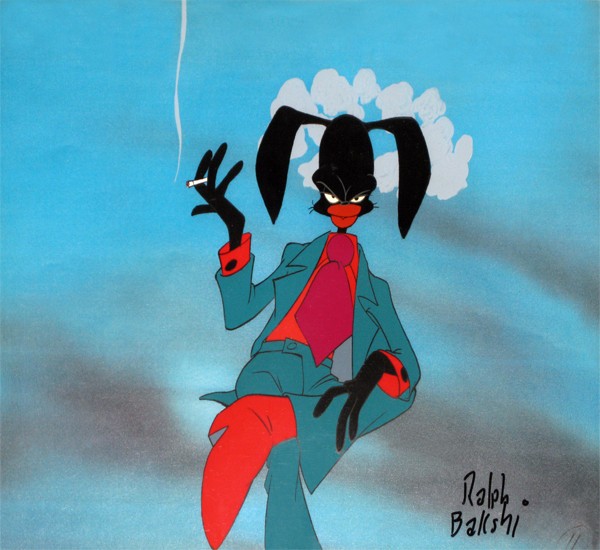
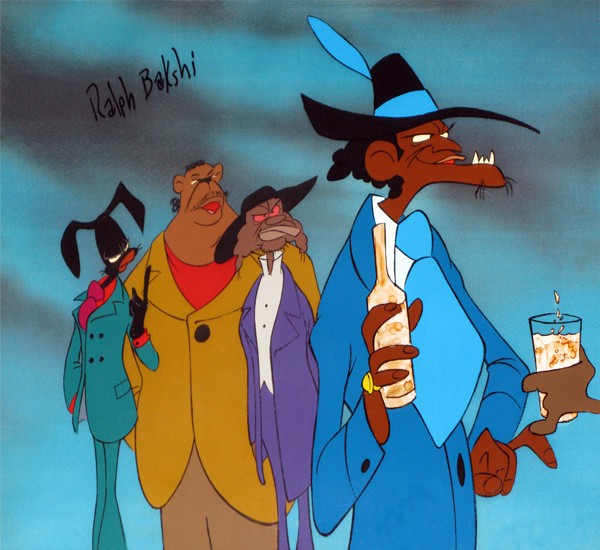

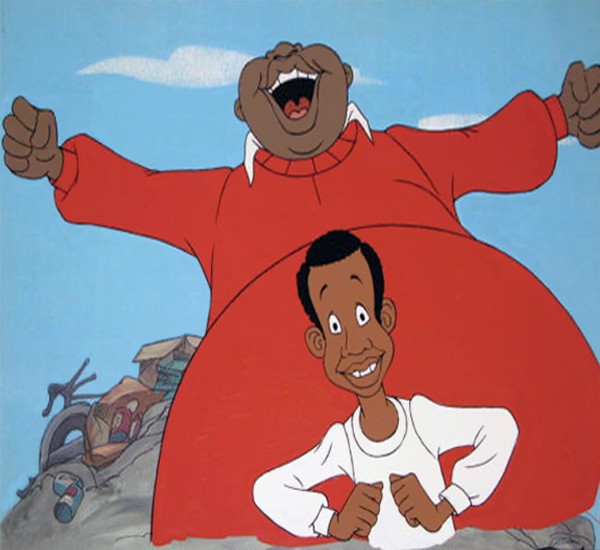
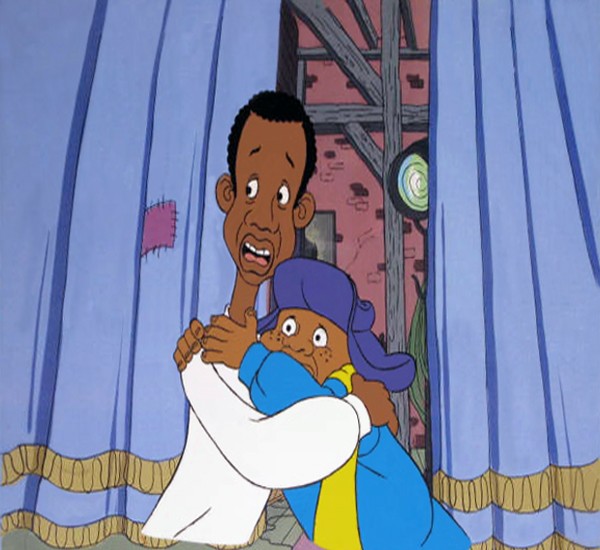
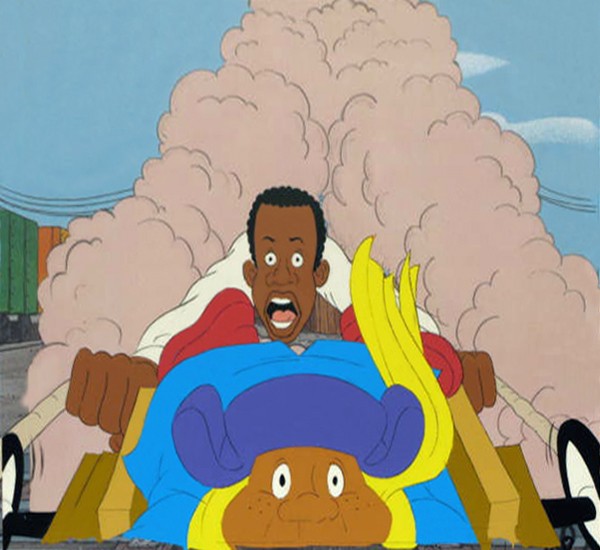
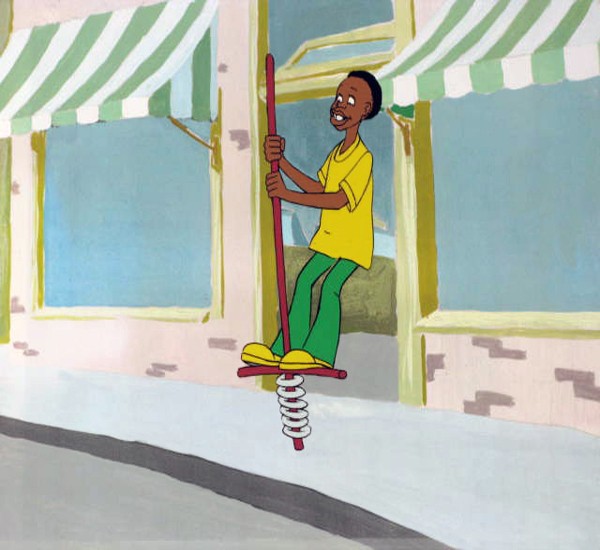
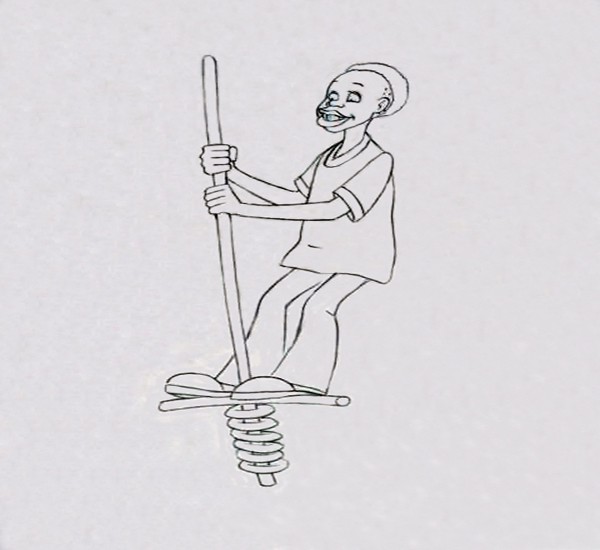
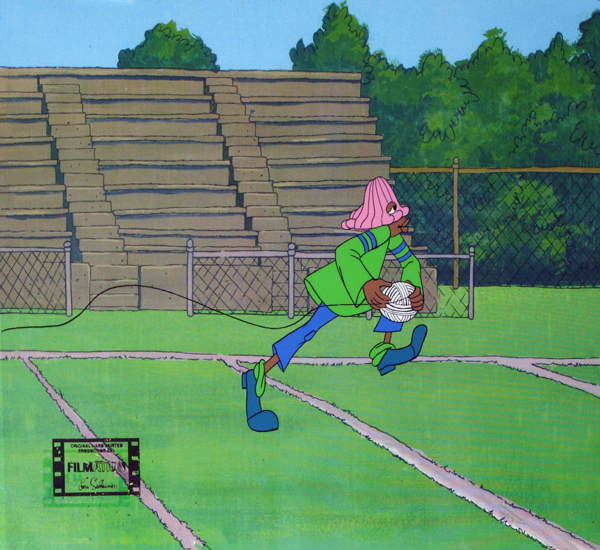
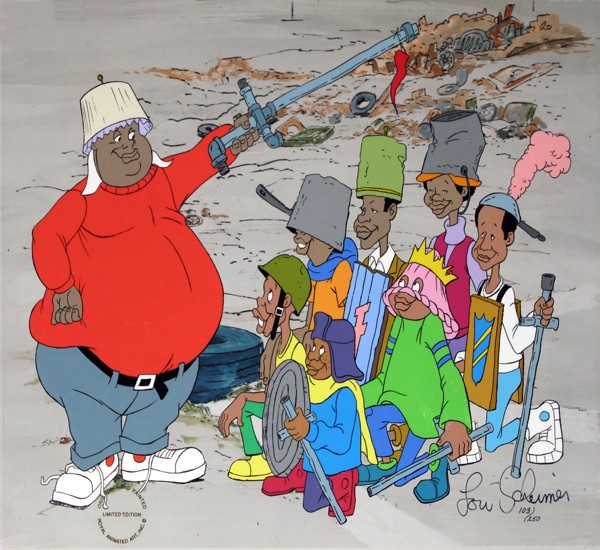
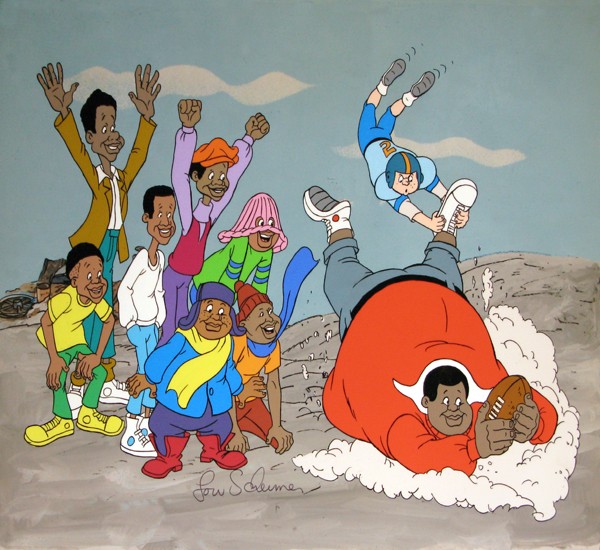
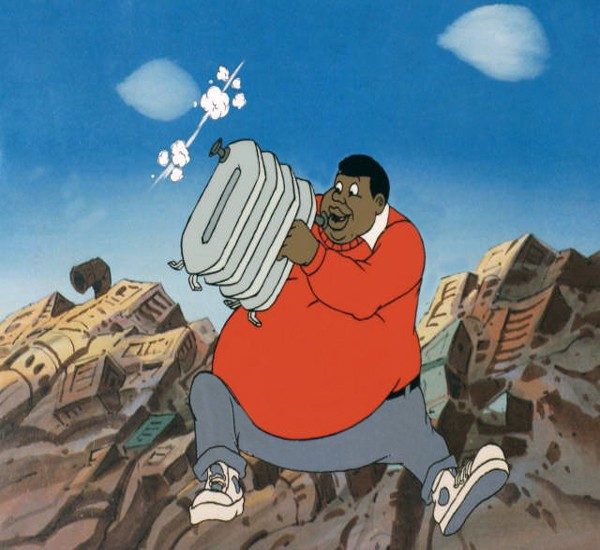
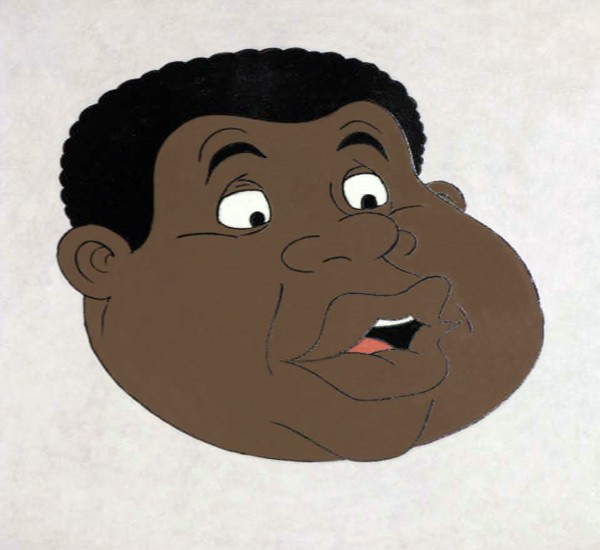


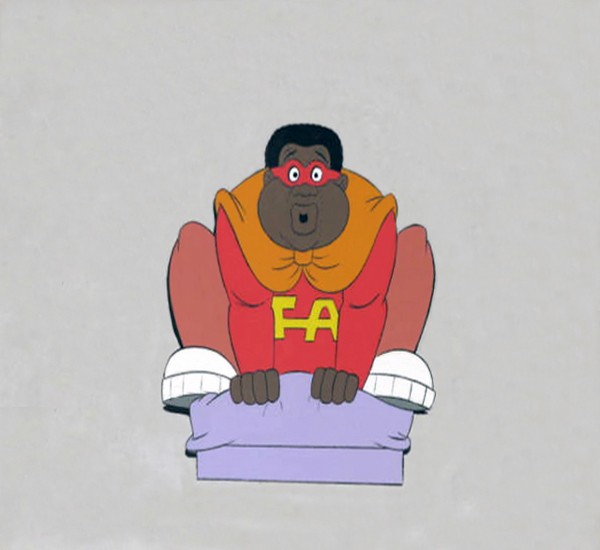
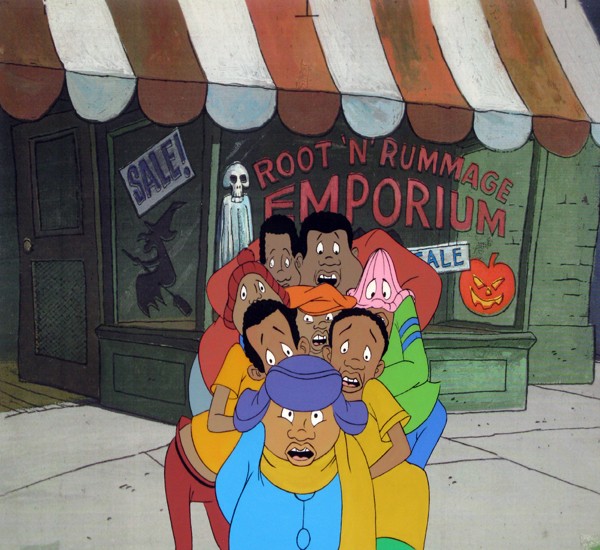
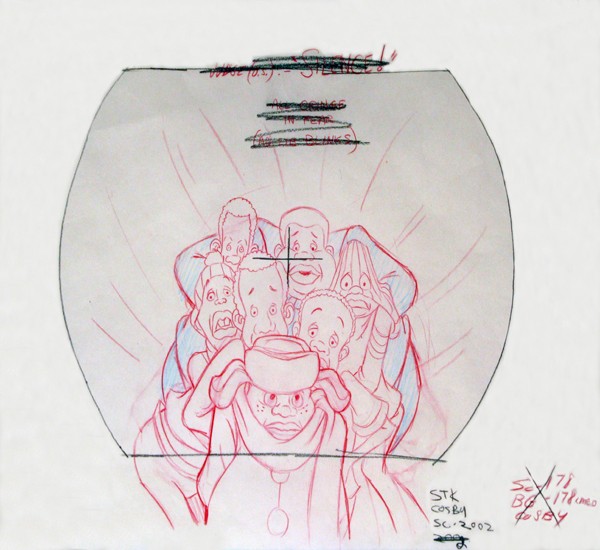
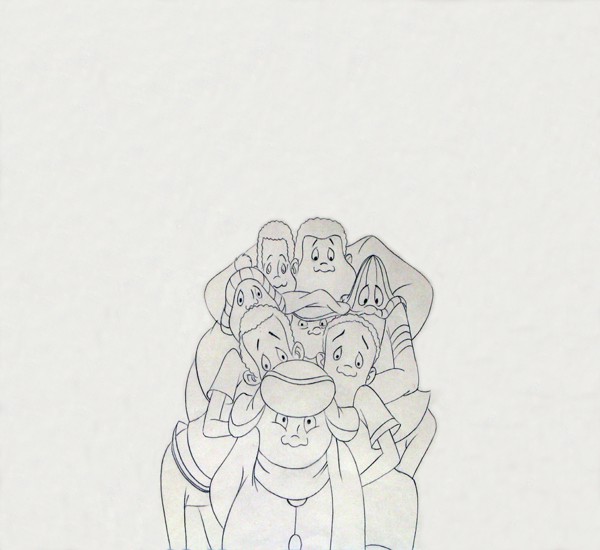

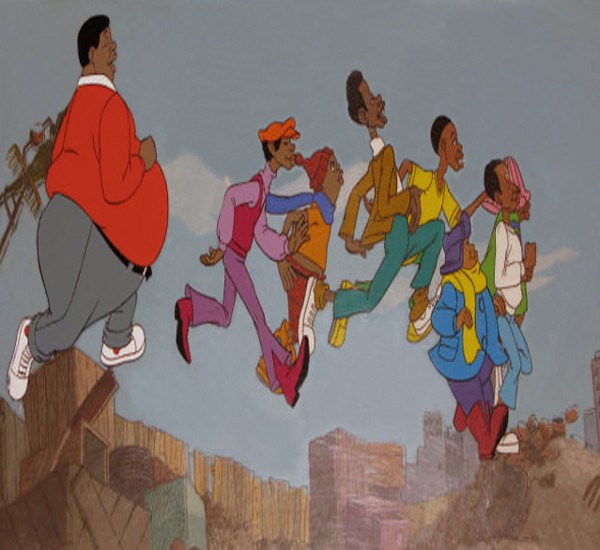

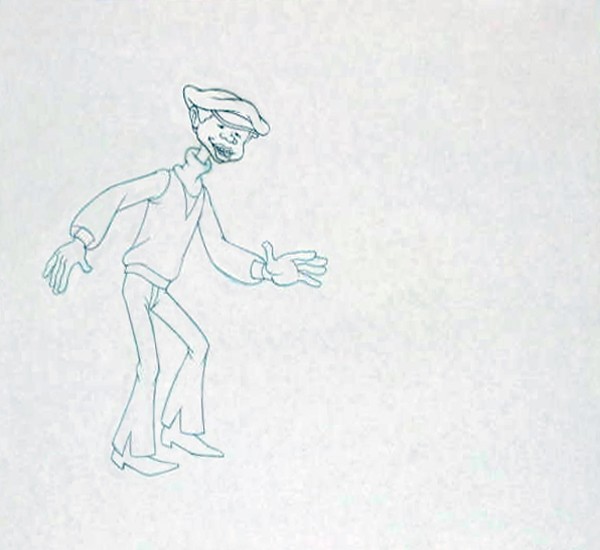


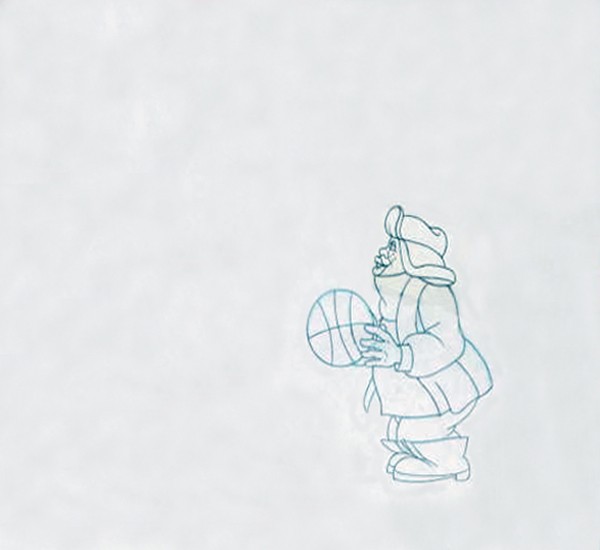
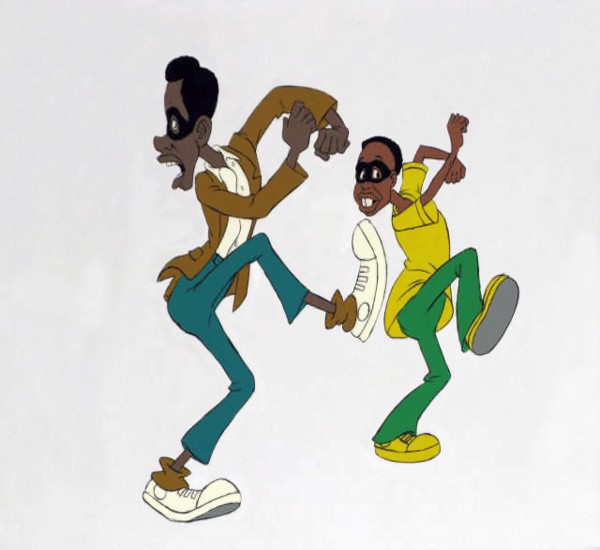
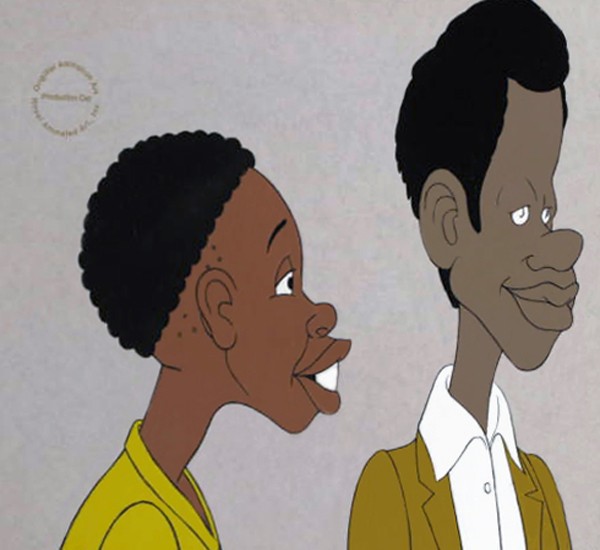
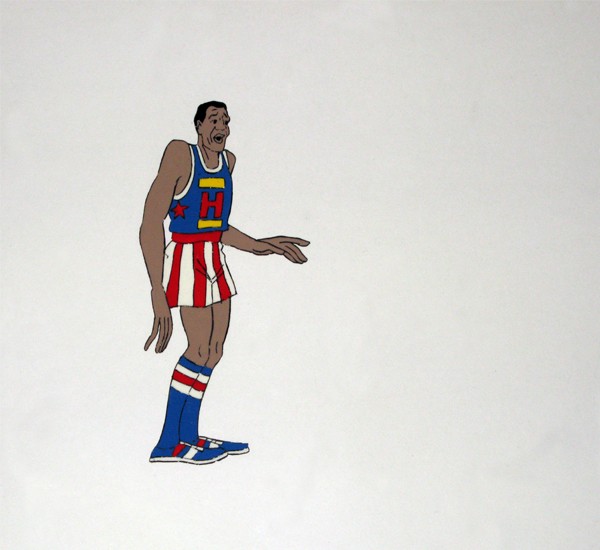
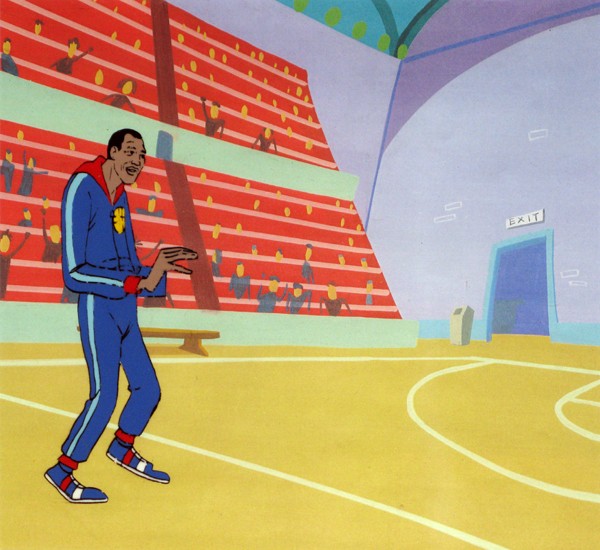

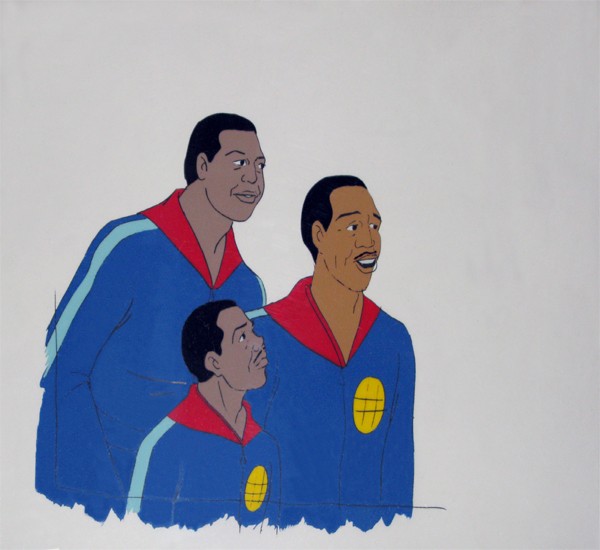
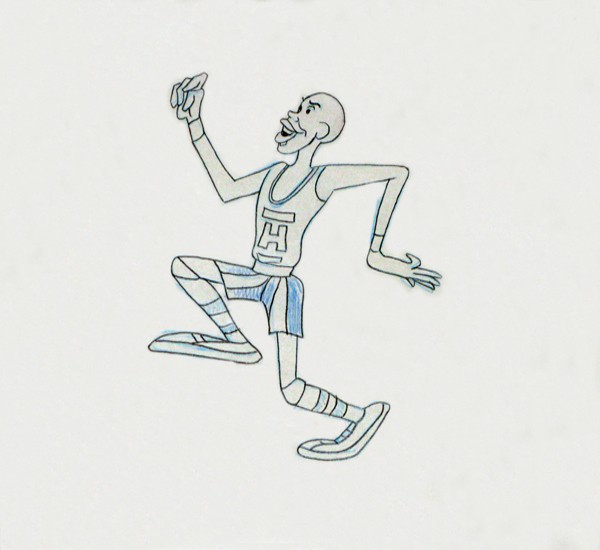

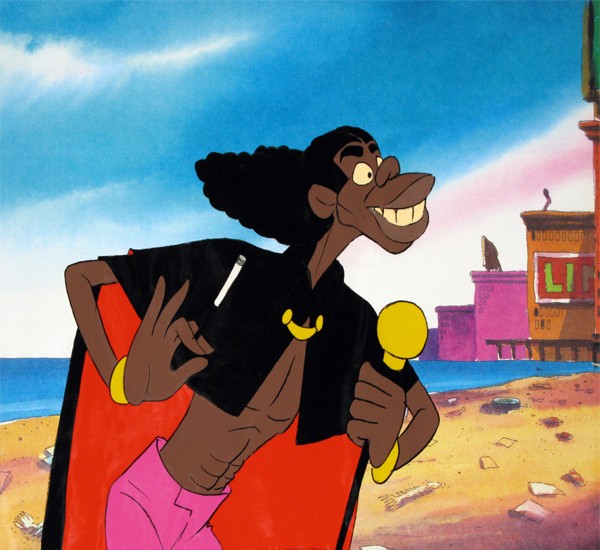

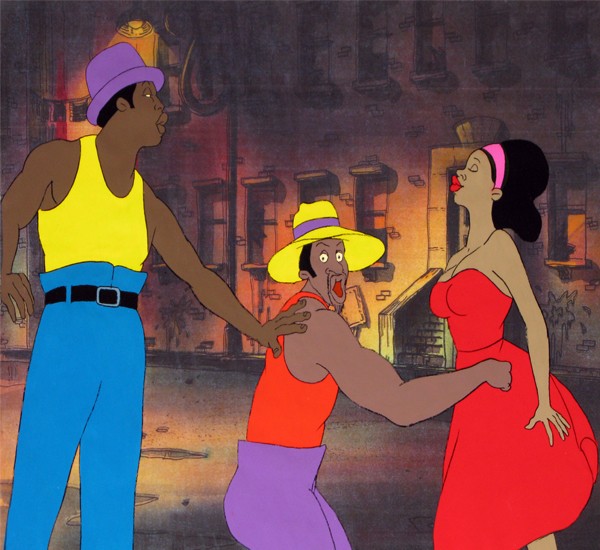
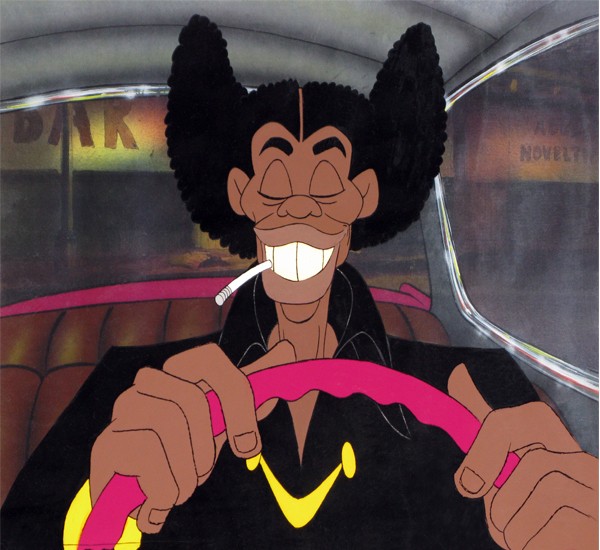
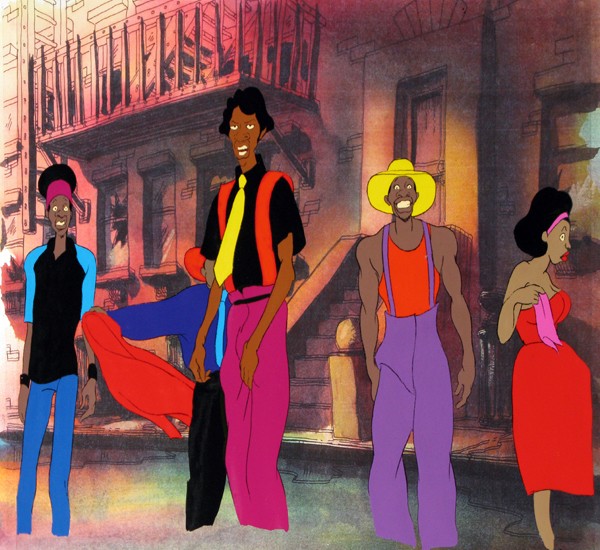
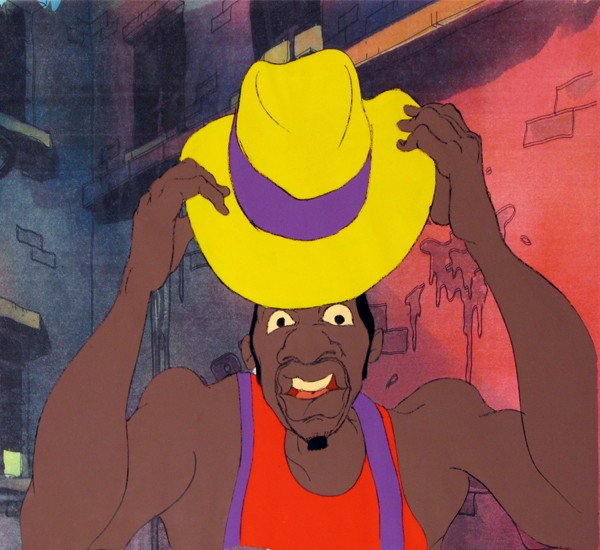



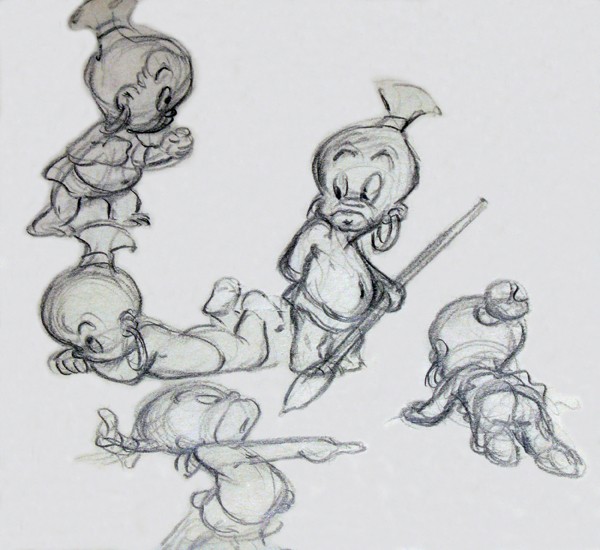
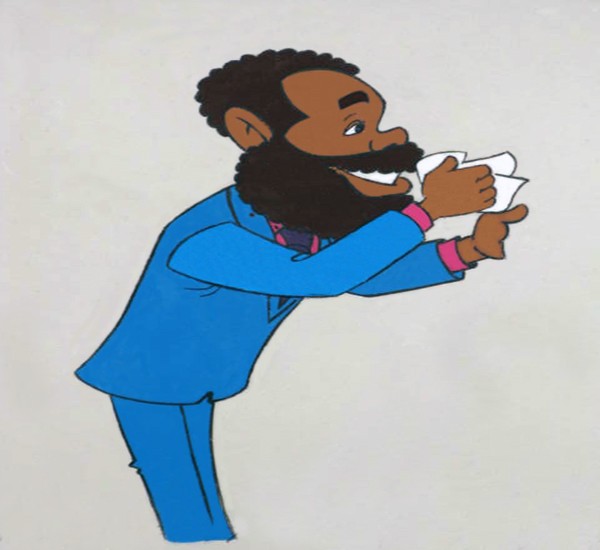
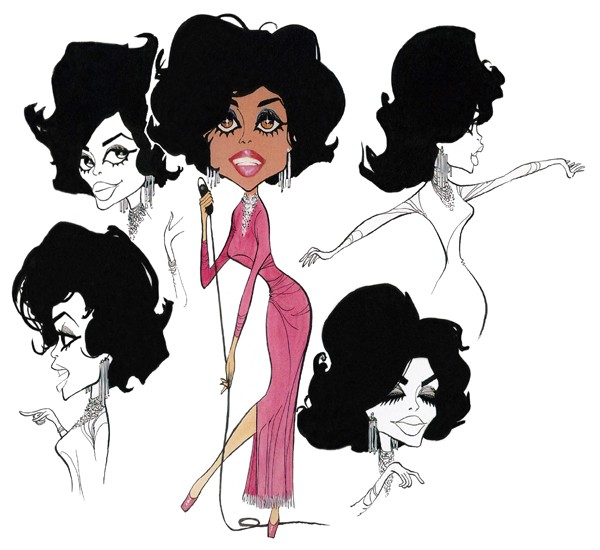
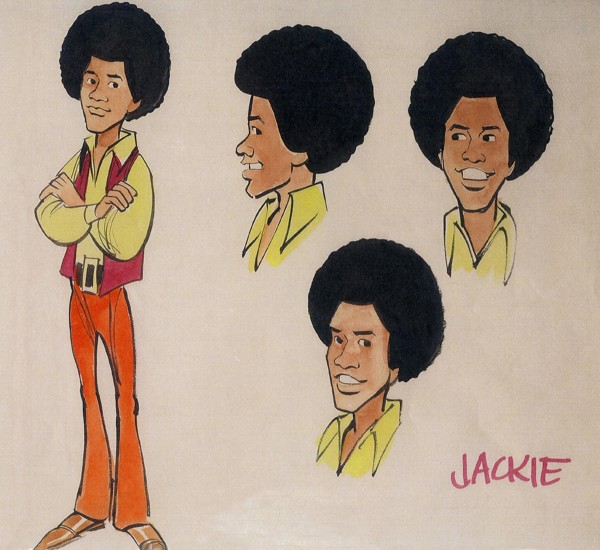
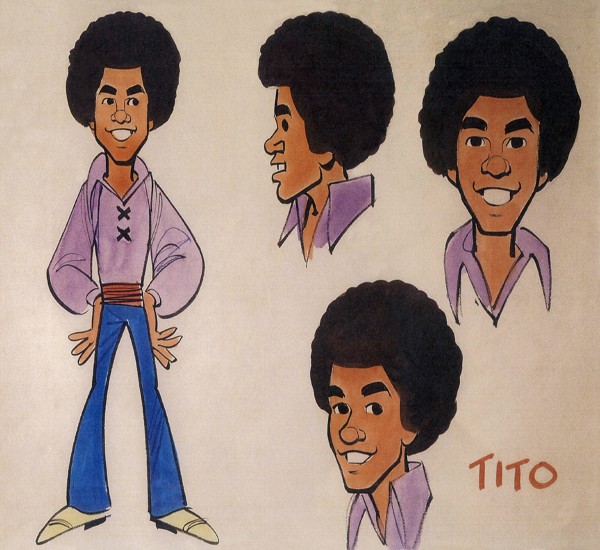
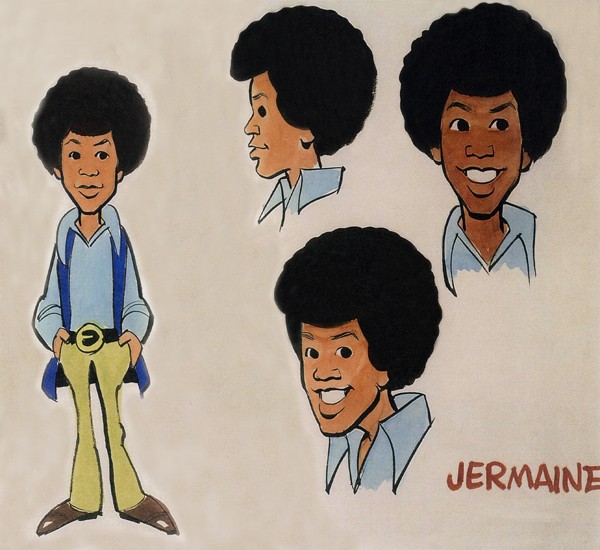
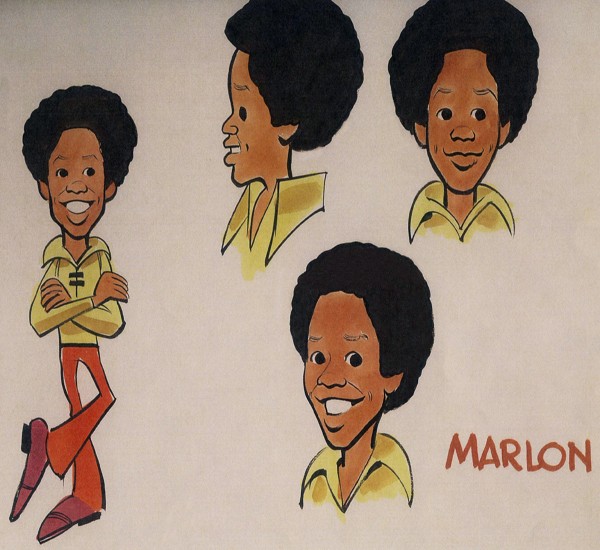
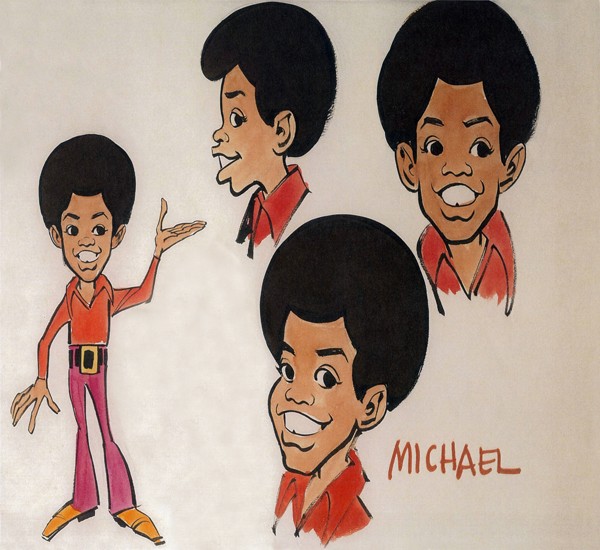

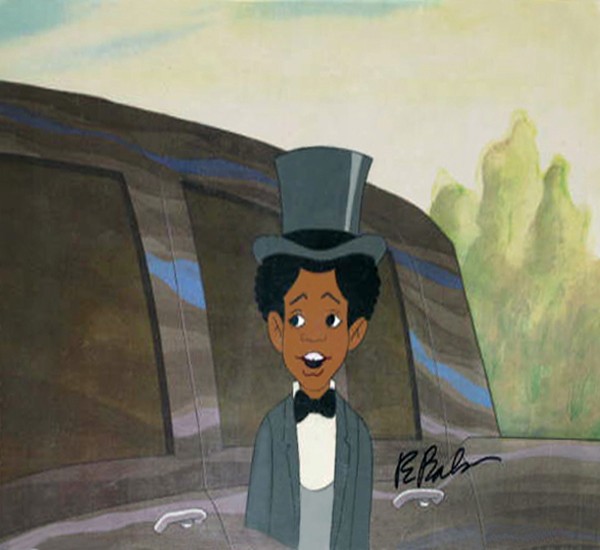
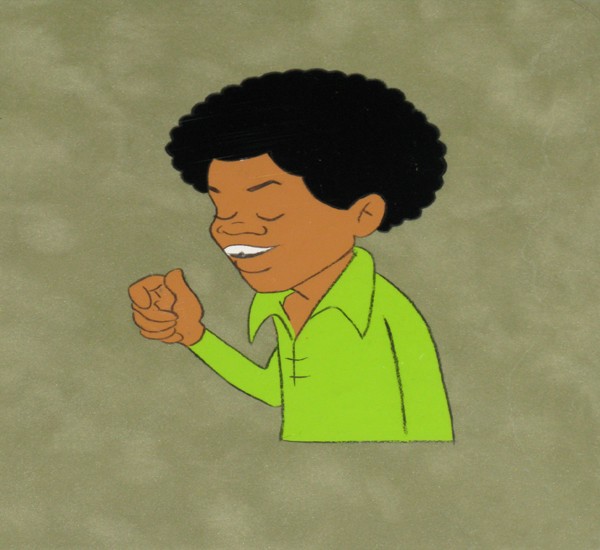

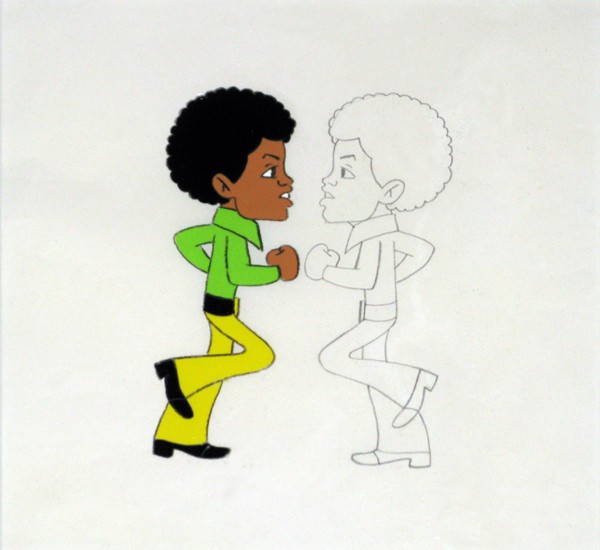
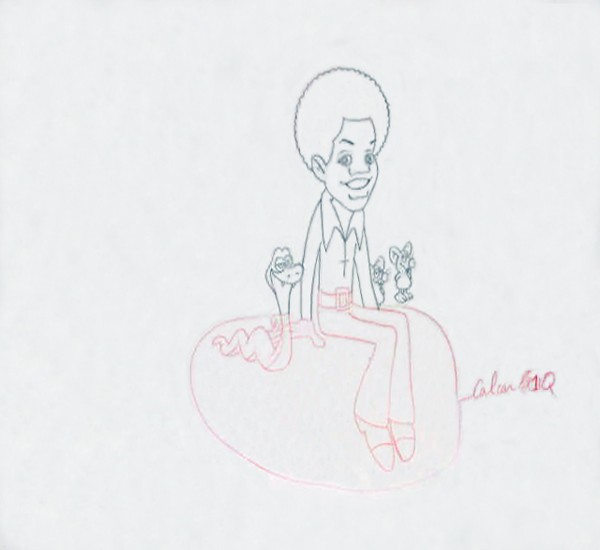

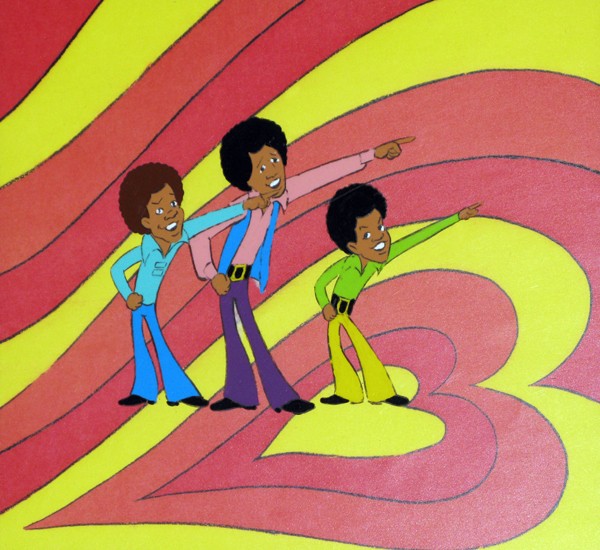
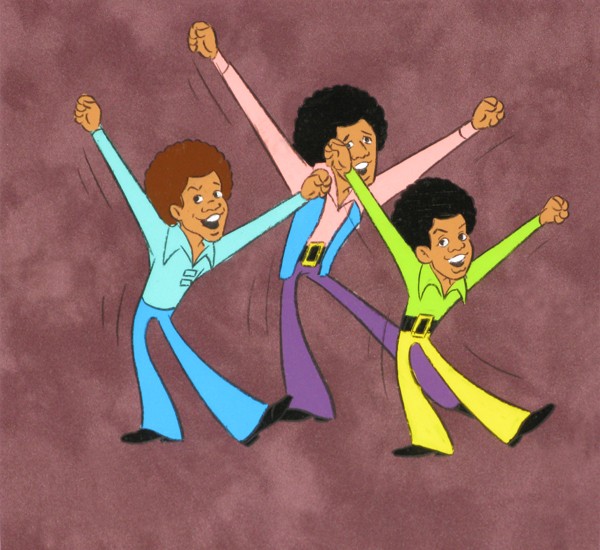
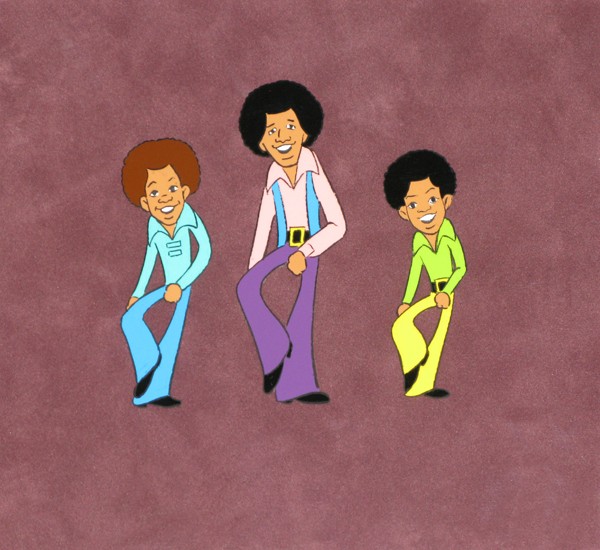
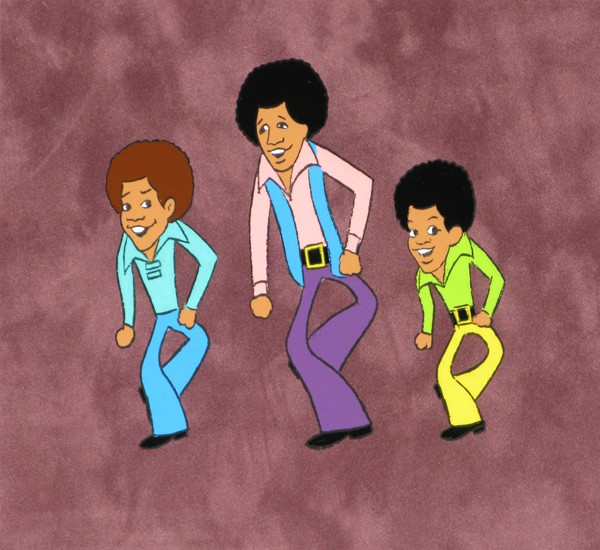
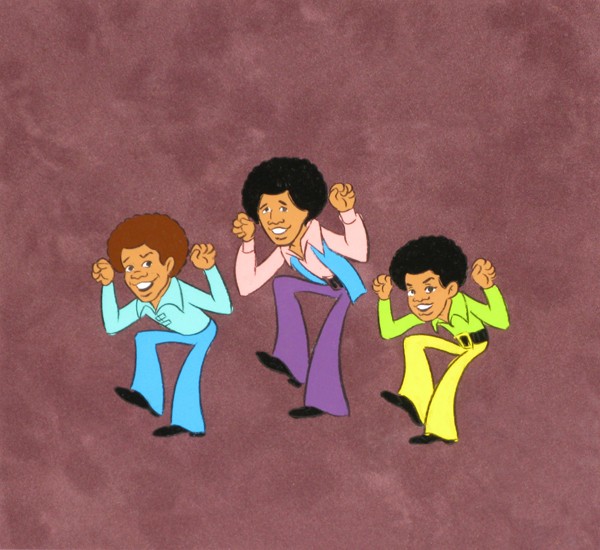

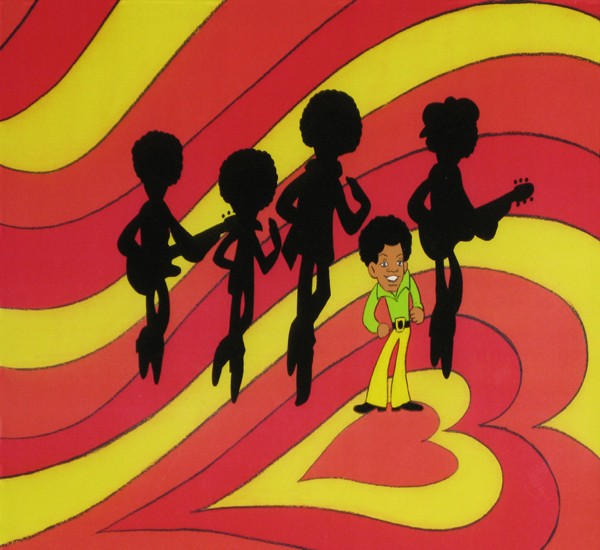
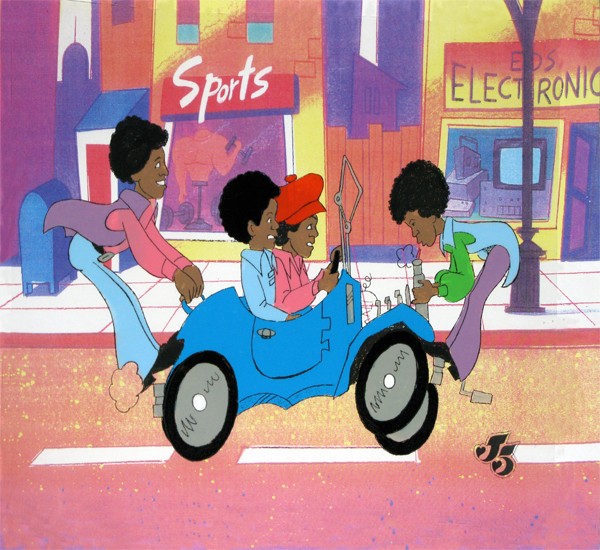
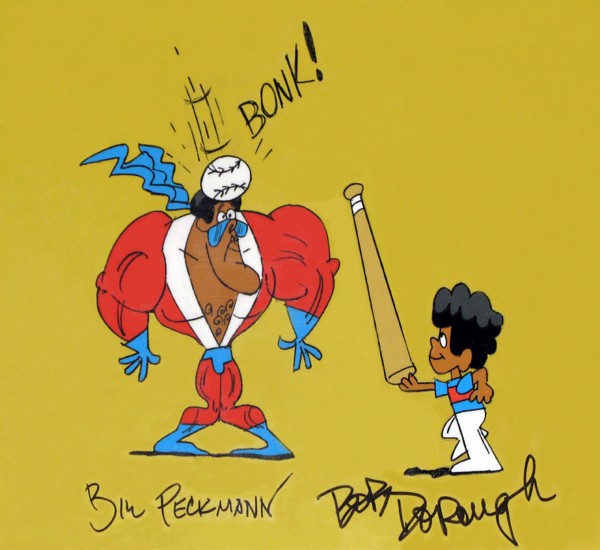


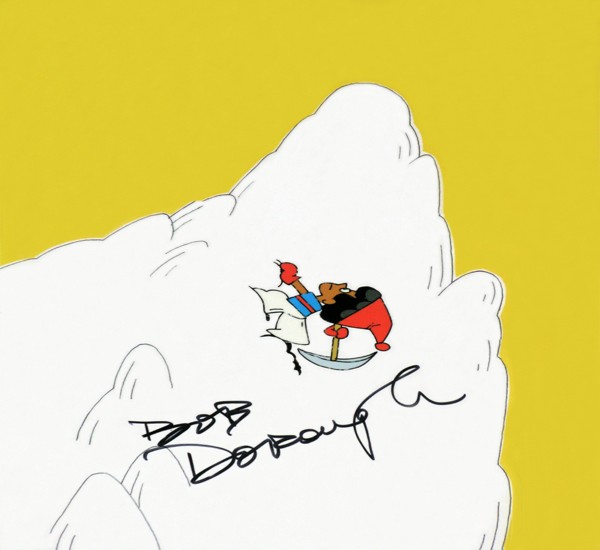

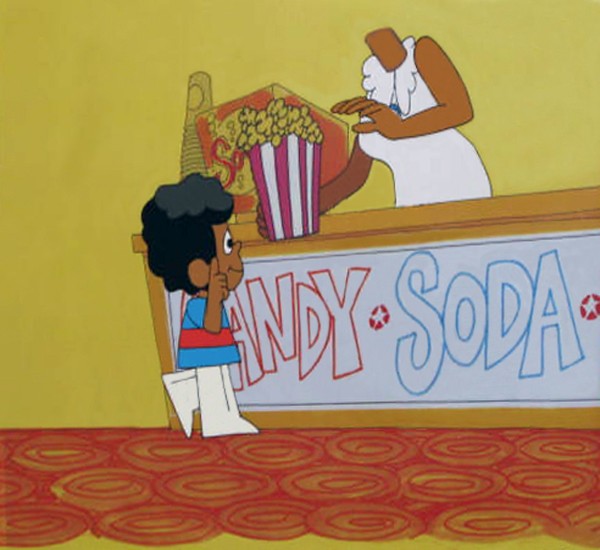
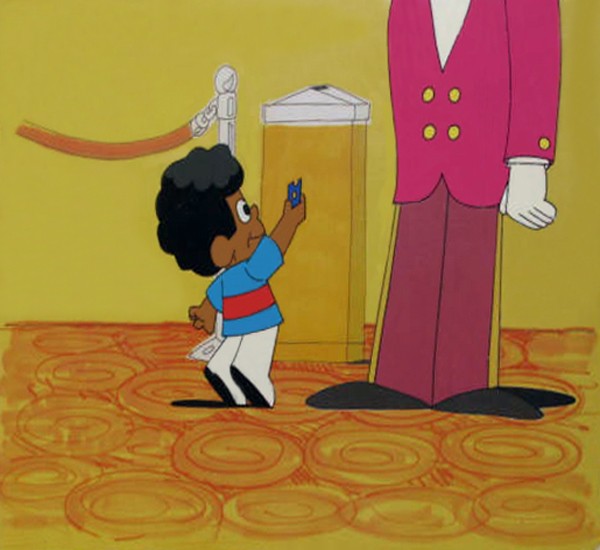
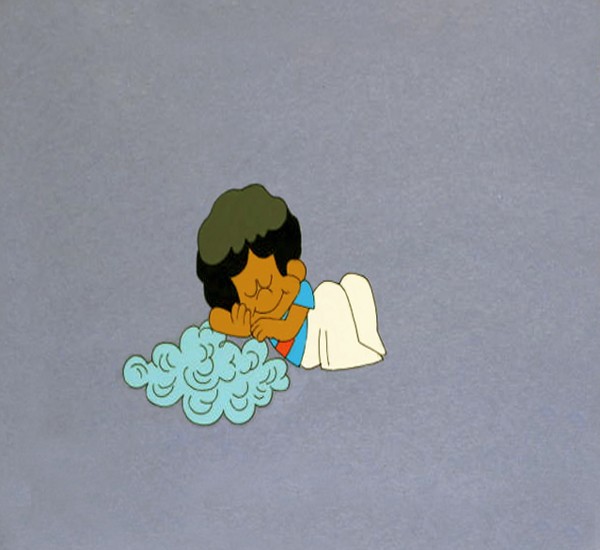

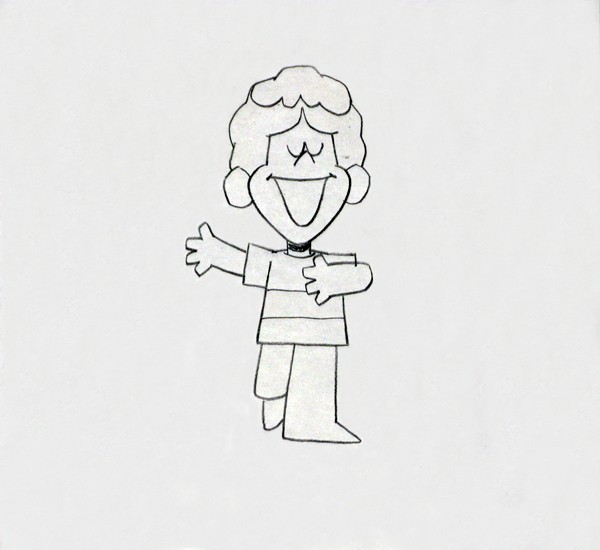
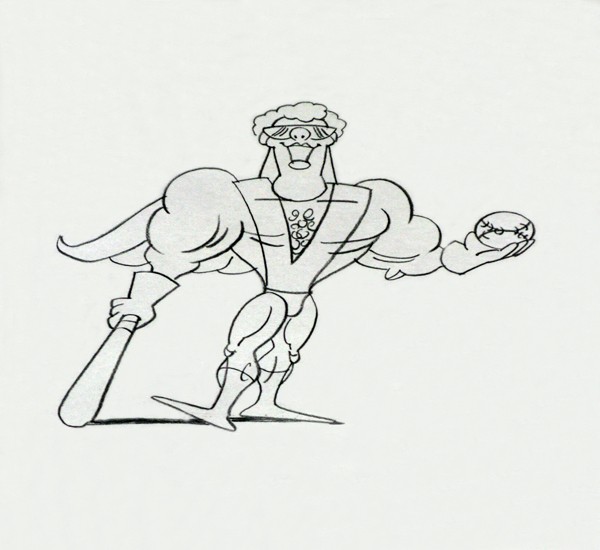
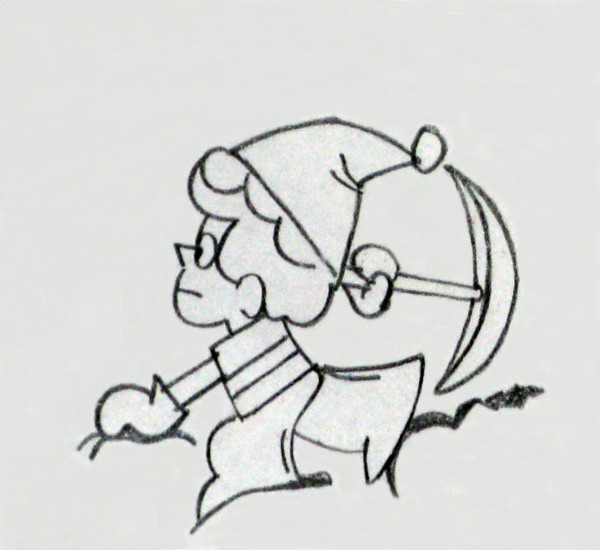



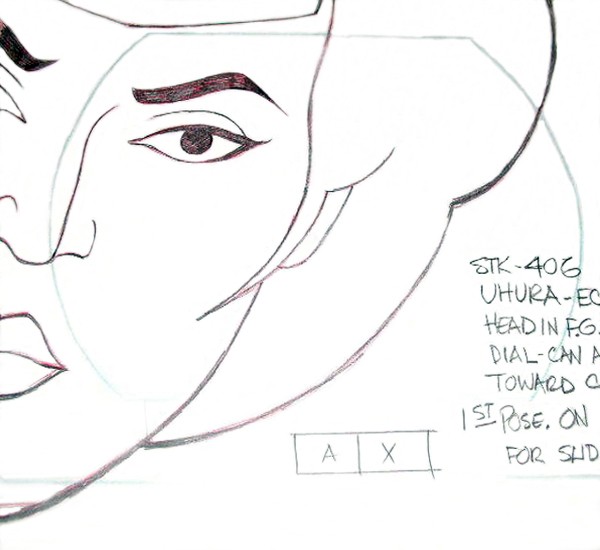

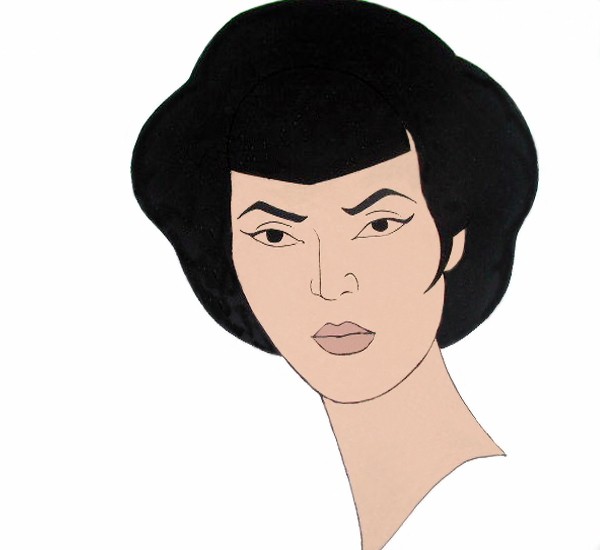

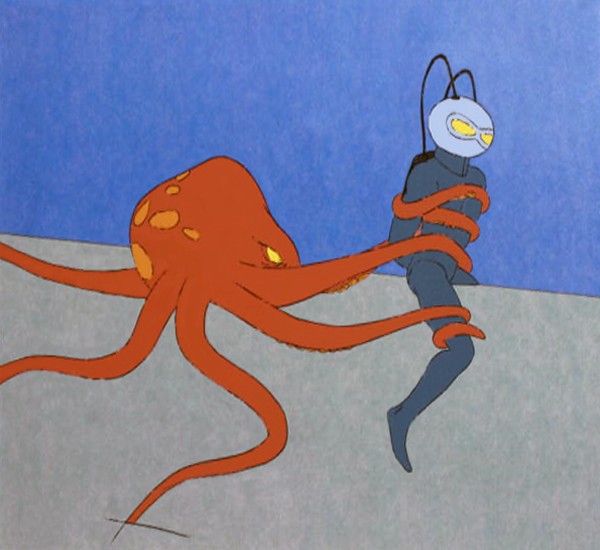
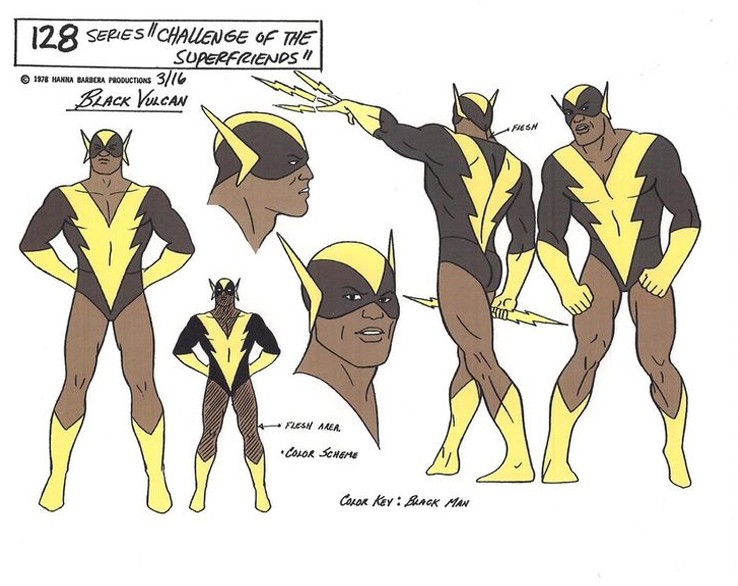
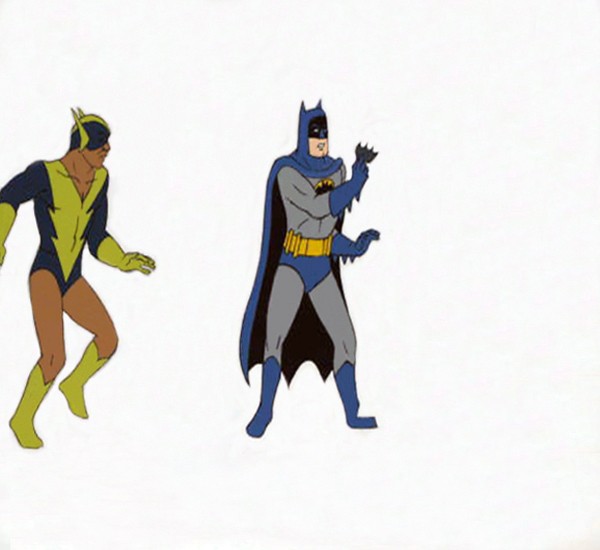
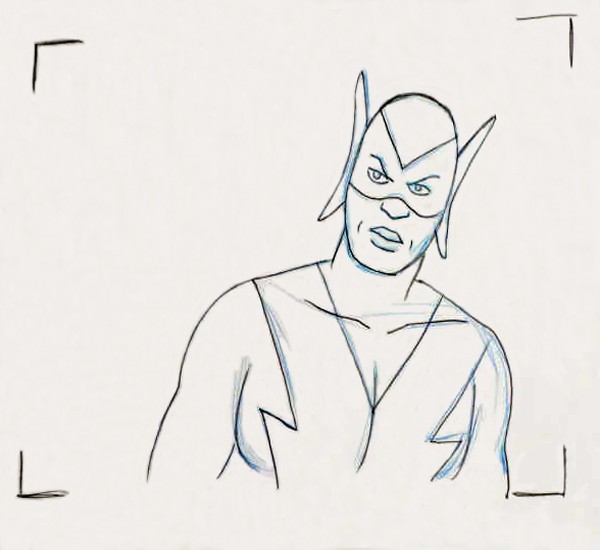
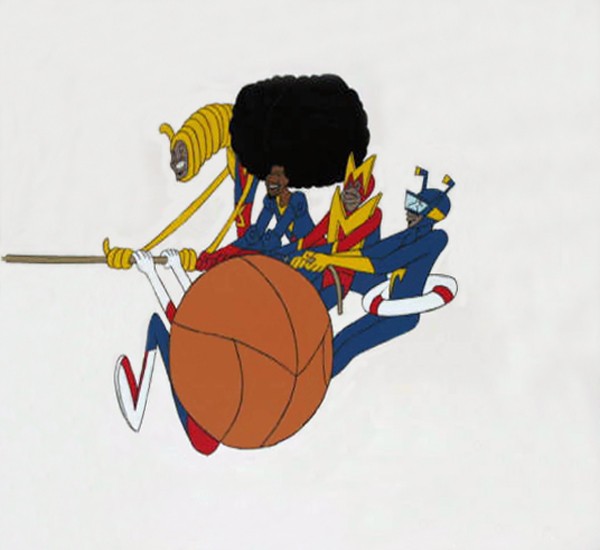
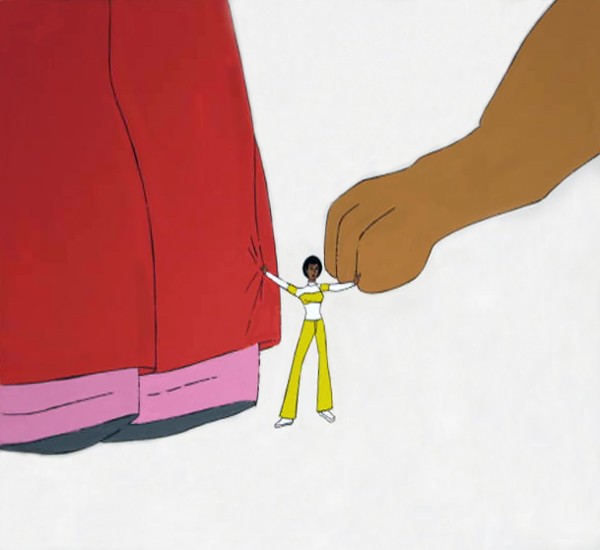

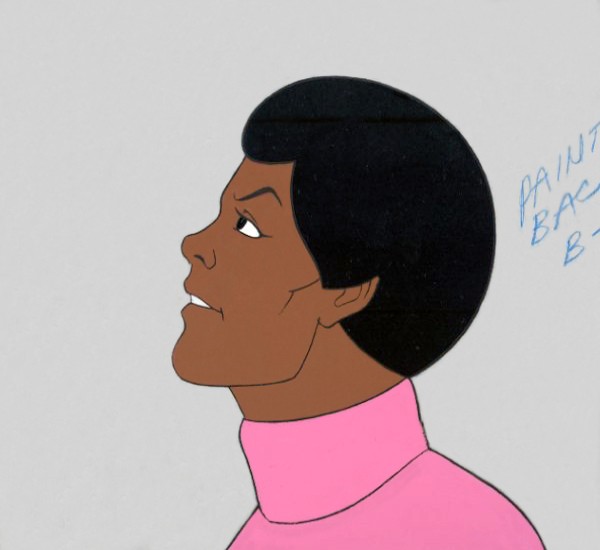

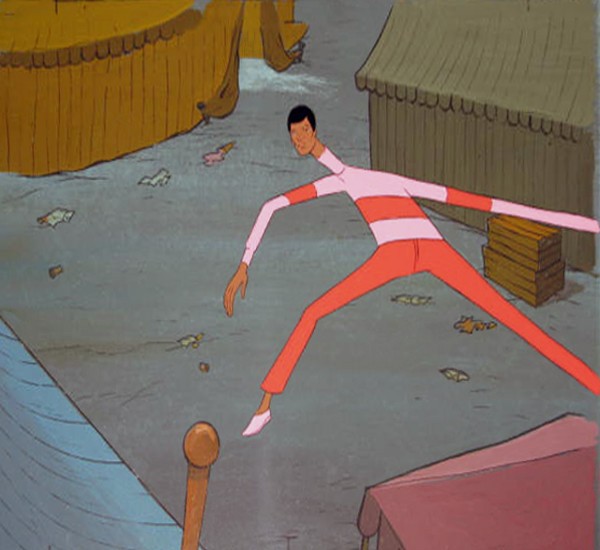
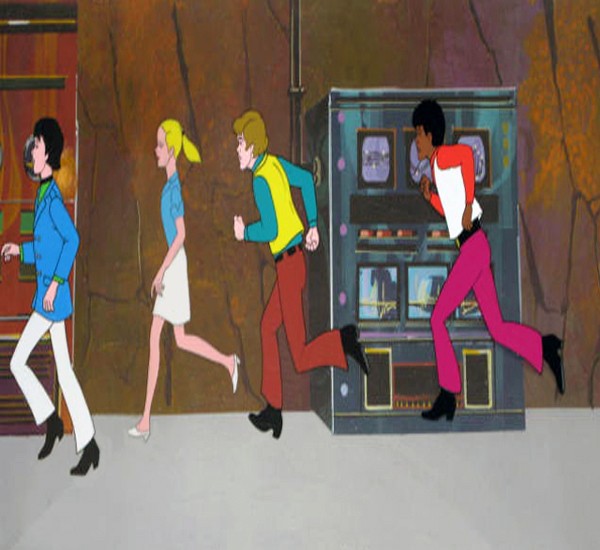

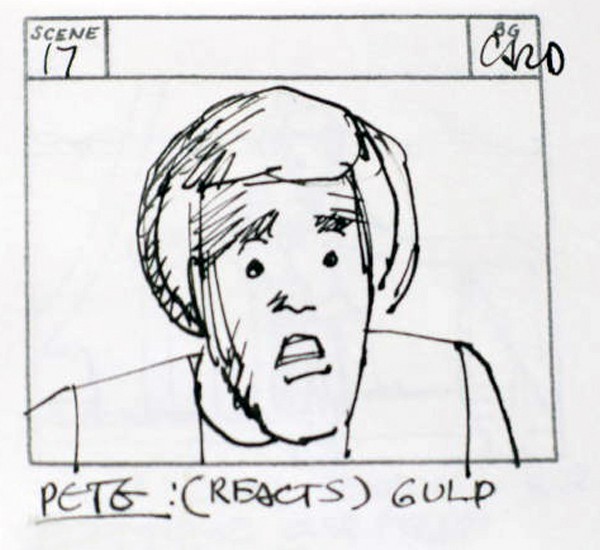
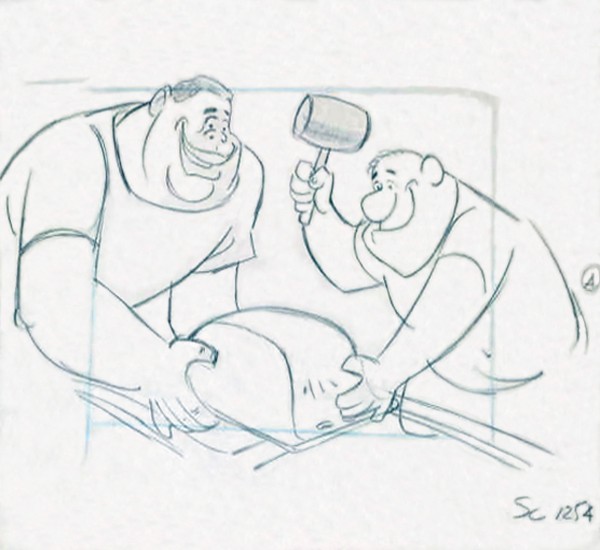
©2021 Comcast-NBCUniversal: Archie / U.S. Of Archie, Casper & The Angels, Fat Albert and the Cosby Kids / The Brown Hornet, Hardy Boys, Kid Power, Space Sentinels, Star Trek, Superman / Aquaman Hour Of Adventure / Black Manta, Tarzan And The Super 7 / Super Stretch and Micro Woman, The Jackson 5ive
©2021 Disney: Schoolhouse Rock
©2021 Farmhouse Films: I Am The Greatest
©2021 Paramount Pictures: Bebe’s Kids
©2021 Peanuts Worldwide LLC: Franklin
©2021 Sesame Workshop: Billy Jo Jive
©2021 BET: Soul Train
©2021 20th Century Fox: Our Friend Martin
©2021 Warner Bros. Entertainment Inc.: All New Super Friends Hour / Black Manta / Black Vulcan, Captain Caveman & the Teen Angels, Harlem Globetrotters, Hong Kong Phooey, Josie And The Pussycats, The Plastic Man Comedy / Adventure Show / Rickety Rocket, Sealab 2020, Super Globetrotters, Where’s Huddles

7 Comments
Hey I’m a black cartoonist and I love this site it gives me energy, wow! Keep the energy flowing brother!!!
can you buy print’s of some of these pic’s
Thank you for posting and documenting these shows and characters. (I didn’t know or can’t remember the I Am the Greatest Show). Mark Nobleman on his site has a great interview with Darrel McNeil, one of the few black animators on the Super Friends show.
Brock, voiced by actor Hilly Hicks was a scientist and 1st mate aboard the scientific vessel, the Calico. He appeared on the Godzilla Power Hour September 9, 1978.
Thank you! I’m so pleased to see this museum preserved to exemplify the magnificent creators and creations which still have a strong, positivie, impact and impression on my life and I’m certain all who have eyes to see!!
Reg. I Am Deafs Rhonda Wright. Thanks You. Reg. Rhonda Wright , 10 colony blvd , apt 507 , wilmington , de 19802. Reg. Please Send Me a catalogs. Thanks You. Non Jobs. A Deafs.
REG.